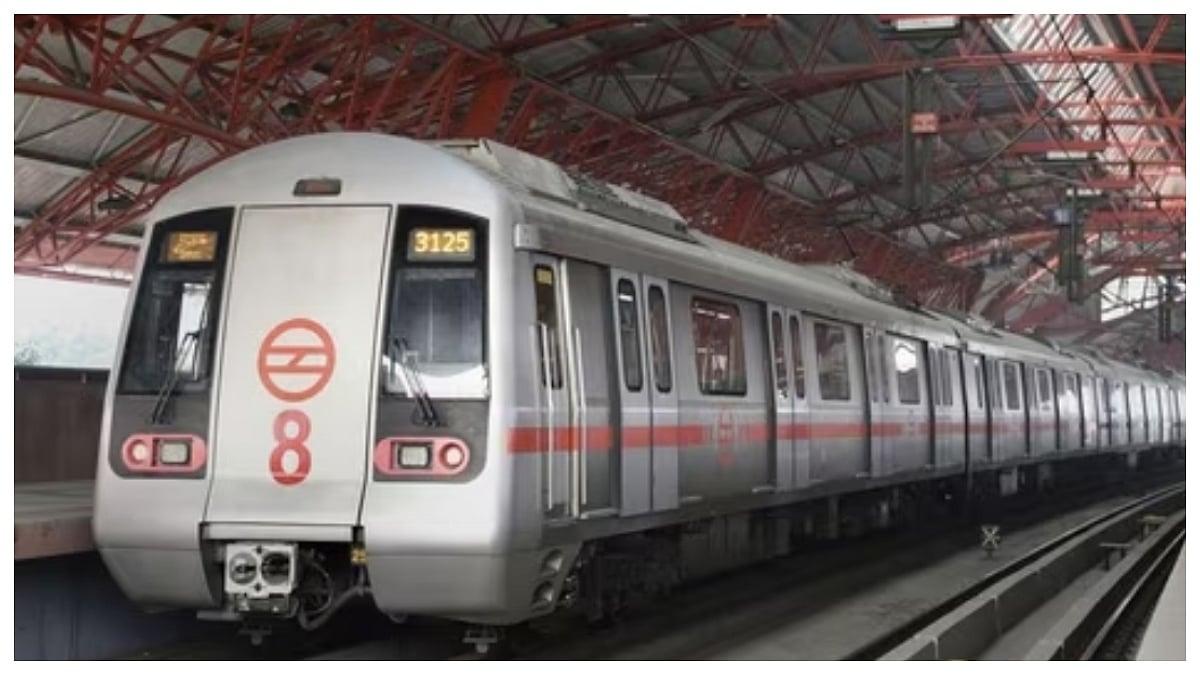
In a major boost to Delhi’s public transport infrastructure, the Union Cabinet on Wednesday gave its nod to the Delhi Metro Phase 5A expansion project, paving the way for a new 16-kilometre network that will significantly enhance connectivity across critical parts of the national capital. The ambitious project will be executed over the next three years with an approved outlay of ₹12,015 crore.
Under Phase 5A, a total of 13 new metro stations will be constructed, reflecting a strong push towards underground transit to ease surface congestion. Of these, 10 stations will be underground, while three will be elevated, ensuring smoother integration with existing urban infrastructure.
The expansion will be carried out through three distinct corridors, each aimed at addressing high-traffic zones and long-standing connectivity gaps. The largest and most expensive stretch will link Ramakrishna Ashram Marg with Indraprastha, spanning nearly 10 kilometres. This corridor alone accounts for a major portion of the budget, highlighting its strategic importance in connecting central and eastern parts of Delhi.
Another key corridor will connect Aerocity to Airport Terminal-1, strengthening last-mile connectivity for air travellers and easing pressure on road traffic around the airport zone. The third corridor will run between Tughlakabad and Kalindi Kunj, improving metro access in south and southeast Delhi, areas that have seen rapid urban growth in recent years.
Announcing the decision, Union Railway Minister Ashwini Vaishnaw said the Delhi Metro has fundamentally changed how people move within the city and beyond. He noted that Phase 5A will add a new chapter to this transformation by making travel faster, cleaner, and more efficient for lakhs of commuters.
With this approval, Delhi Metro—already India’s largest metro network—moves closer to reinforcing its position as one of the most extensive and modern urban transit systems globally. Once completed, Phase 5A is expected to reduce traffic congestion, cut travel time, and further promote sustainable urban mobility in the capital.