As Delhi braces for another high-stakes assembly election, the political narrative is evolving into a familiar face-off between the ruling Aam Aadmi Party (AAP) and the Bharatiya Janata Party (BJP). While AAP’s dominance in the capital is undeniable, BJP’s strategic gains in the last election signal that the ruling party may not have an easy path to victory this time.
Arvind Kejriwal’s AAP has ruled Delhi with an iron grip since 2015, delivering two back-to-back landslide victories. In 2015, the party crushed the opposition, winning 67 out of 70 seats. Even in 2020, with anti-incumbency in play, AAP managed to retain 62 seats, leaving the BJP with just eight and Congress with zero. Kejriwal’s governance model—built on free electricity, water, education, and healthcare—has garnered widespread support from Delhi’s middle and lower-middle-class voters. However, is this enough to ensure a third term?
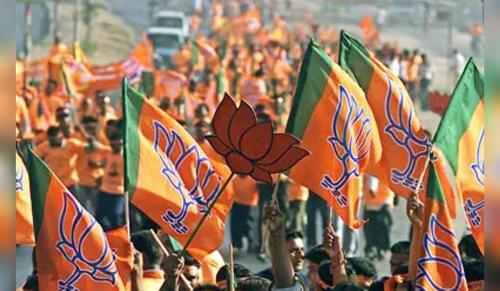
The BJP has shown signs of progress, albeit limited. In 2020, it retained traditional strongholds like Rohini, Ghonda, and Karawal Nagar while flipping a few AAP seats, such as Badarpur and Gandhi Nagar, where it fielded strong candidates. BJP’s vote share also rose from 32% in 2015 to over 38% in 2020, indicating a growing foothold. With a highly motivated cadre and aggressive campaigning led by its national leadership, the BJP appears determined to expand its base further.
However, BJP faces an uphill battle. Its challenge lies in countering AAP’s hyper-localized governance model. Kejriwal’s policies resonate strongly with the urban poor and middle class, who have repeatedly rewarded him at the ballot box. BJP, often seen as focusing on national issues, will need to convince Delhiites that it can replicate AAP’s success at addressing everyday concerns.
The Congress party, once a dominant force in Delhi, has been reduced to irrelevance. With no seats won in the last two elections and a declining vote share (just over 10% in 2020), it remains a shadow of its former self. Without a strong revival, Congress risks becoming a mere spectator in this battle.
This election isn’t just about seats; it’s about narrative control. Can BJP frame itself as a viable alternative to AAP? Will Congress manage to stage a comeback, or will it be a two-party race yet again? The answers will shape Delhi’s political landscape for years to come.