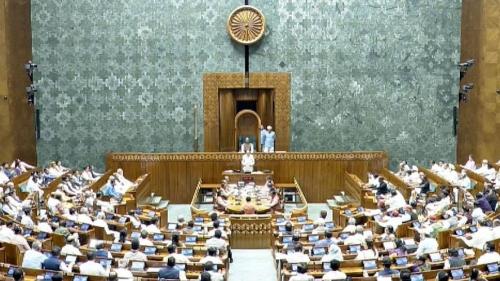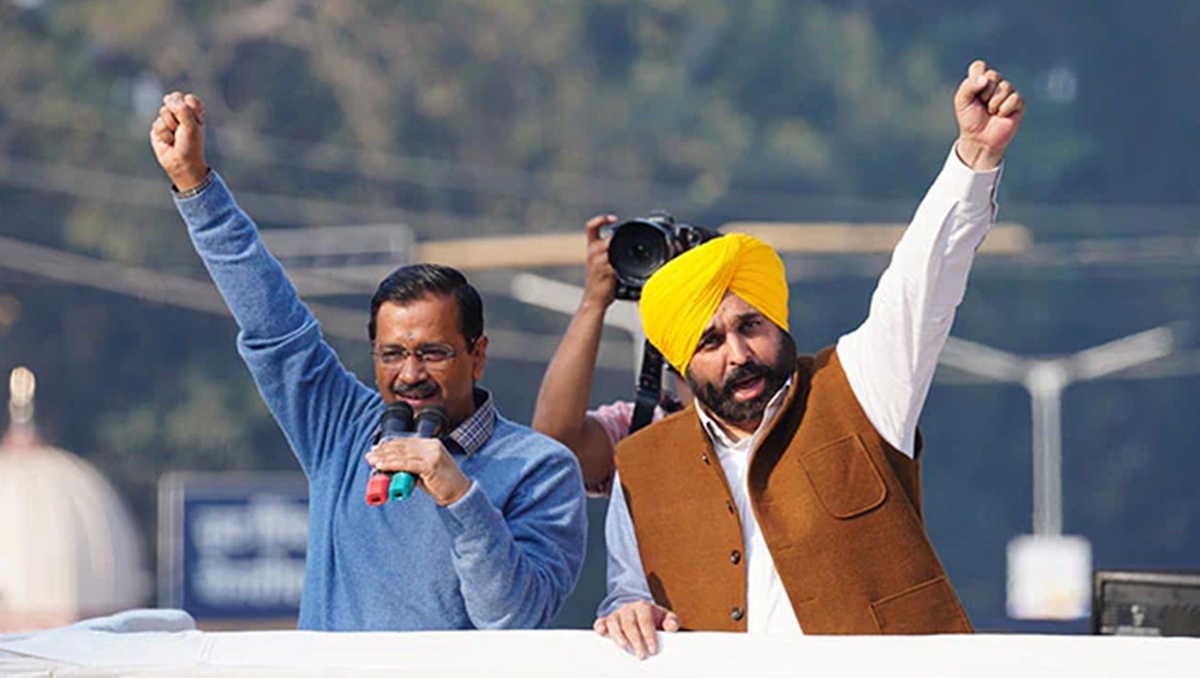
As Delhi inches closer to the crucial Assembly elections on February 5, the political stakes couldn’t be higher. The Aam Aadmi Party (AAP), which has ruled the national capital for over a decade, faces its toughest battle yet. Once hailed as the party of the common man, AAP now finds itself entangled in controversies, fighting anti-incumbency, and striving to retain its grip over a restless electorate. The big question remains: Will Arvind Kejriwal’s charm and welfare schemes be enough to secure another term, or is Delhi ready for a change?
The Middle-Class Gamble: AAP’s Desperate Outreach
AAP’s electoral strategy has always been heavily dependent on its extensive welfare schemes. Free electricity, water, healthcare, and education have been its hallmark policies. However, with growing skepticism about its governance model and corruption allegations looming large, AAP has pivoted its focus back to the middle class—a segment that played a crucial role in its early success.
Kejriwal’s recently released manifesto is a direct appeal to this demographic, offering incentives that promise economic relief. But will this be enough? The middle-class voter is no longer solely swayed by freebies. Concerns over governance, transparency, and long-term economic stability have gained prominence, making AAP’s task harder than ever.
Corruption Allegations: AAP’s Achilles Heel
What once set AAP apart from traditional parties was its promise of clean politics. However, the party has been plagued by allegations of corruption, particularly in the excise policy scam that saw prominent leaders like Manish Sisodia and Sanjay Singh behind bars. Though they are out on bail, the damage to AAP’s reputation has been significant.
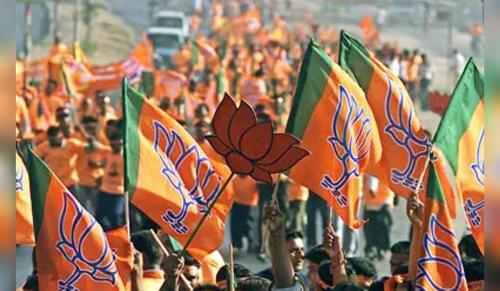
For the Bharatiya Janata Party (BJP), this presents an opportunity to chip away at AAP’s credibility. The saffron party has been aggressively highlighting these scandals, hoping to turn public opinion against Kejriwal’s leadership. Will Delhi voters overlook these allegations, or will they decide it’s time for a new party at the helm?
The BJP’s Counterattack: Can It Break AAP’s Fortress?
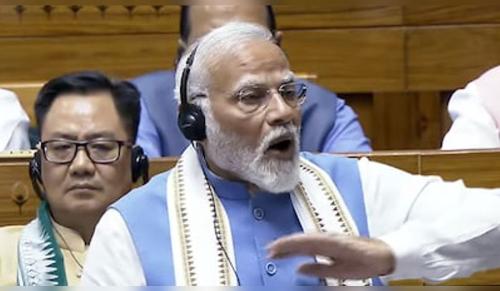
The BJP has struggled to establish a formidable local leadership in Delhi, often relying on its national appeal. While Prime Minister Narendra Modi’s popularity remains a significant factor, Delhi’s state politics require a more localized approach—something the BJP has struggled with in previous elections.
That said, the BJP is banking on anti-incumbency and dissatisfaction with AAP’s governance to make inroads. With Congress still recovering from its political irrelevance in Delhi, BJP’s best bet is to consolidate the anti-AAP vote. If the party can effectively harness middle-class resentment and highlight governance failures, it may stand a fighting chance.
Women Voters: A Decisive Factor
A key strength for AAP has been its overwhelming support among women voters. According to recent surveys, a large portion of women who backed AAP in 2020 are likely to do so again in 2025. Welfare schemes tailored to women, including free bus rides and financial assistance, have cemented AAP’s appeal in this demographic.
However, BJP is attempting to woo women voters by emphasizing safety concerns, rising crime rates, and AAP’s alleged failures in law enforcement. If BJP succeeds in breaking AAP’s hold over this crucial voter bloc, it could drastically alter the election’s outcome.
The Congress Wild Card
Once a dominant force in Delhi, Congress has been reduced to a mere spectator in the past few elections. In 2020, its vote share plummeted to an embarrassing 4.3%. However, with growing discontent against both AAP and BJP, Congress could potentially play the role of a kingmaker in a close contest.
If Congress manages to regain a fraction of its lost voter base, it could split the anti-AAP vote, indirectly benefiting Kejriwal. Conversely, if the party continues to struggle, disgruntled Congress supporters may shift towards BJP, tightening the contest.
The Verdict: A Close Contest or an Easy Win?
As Delhi heads to the polls, the battle lines are drawn, but the outcome remains uncertain. Kejriwal’s leadership and welfare schemes give AAP a clear advantage, but the party’s corruption woes and anti-incumbency challenges cannot be ignored. BJP is poised to capitalize on voter frustration, but its lack of a strong chief ministerial face could be a hindrance. Congress, meanwhile, remains a wildcard that could disrupt the balance.
With voting day fast approaching, one thing is certain: This will be a high-stakes election that could redefine Delhi’s political landscape for years to come. Will Kejriwal’s magic continue, or is a political shake-up on the horizon? February 8 will tell the tale.