US President Donald Trump signaled a significant shift in global trade dynamics on Monday night, announcing that the United States is on the verge of finalizing a trade agreement with India, while confirming the imposition of steep new tariffs on 14 countries set to take effect from August 1.
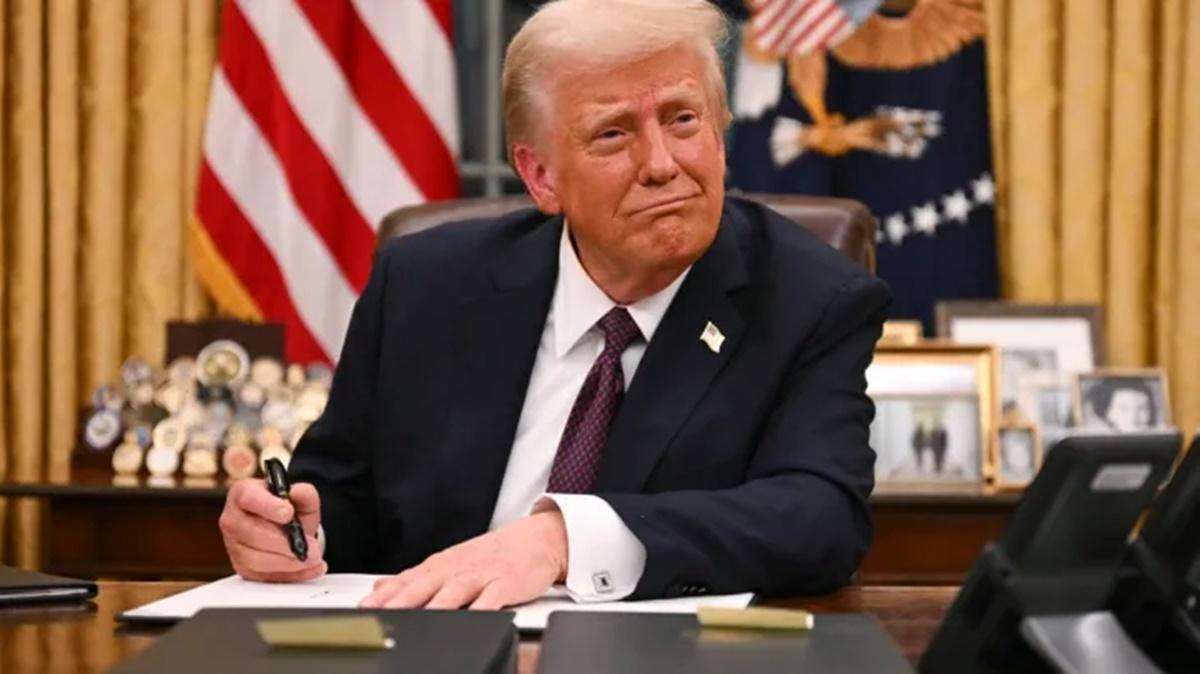
Speaking to reporters during a joint appearance with Israeli Prime Minister Benjamin Netanyahu at the White House, Trump laid out a hardline but transactional approach to foreign trade, emphasizing that the US had already secured new agreements with the United Kingdom and China, and was now "very close" to sealing a deal with India.
“We’re done talking. We’ve met with everyone. We’ve sent out letters to those who aren’t ready to negotiate. They’ll have to pay,” Trump told reporters, portraying the US as the economic gatekeeper of the world. “If you want access to the world’s most powerful economy, here’s the cost. We’re fair — but firm.”
Letters Sent, Tariffs Coming
Trump revealed that official tariff letters had been dispatched to the heads of governments in Japan, South Korea, Thailand, Myanmar, Bangladesh, Malaysia, Kazakhstan, Indonesia, Tunisia, South Africa, Serbia, Cambodia, Laos, and Bosnia and Herzegovina.
The proposed tariffs vary by country:
40% tariffs: Myanmar, Laos
36% tariffs: Thailand, Cambodia
35% tariffs: Bangladesh, Serbia
32% tariff: Indonesia
30% tariffs: South Africa, Bosnia and Herzegovina
25% tariffs: Malaysia, Kazakhstan, Japan, South Korea, Tunisia
According to Trump, if any of the targeted countries retaliate with tariffs of their own, the US will respond by doubling the imposed rates. However, he added that countries open to revising their trade policies may benefit from reduced duties in the future.
India Next in Line?
In a significant geopolitical move, Trump hinted that India may soon join the list of US trade partners with updated terms. “We’re working closely with India. The progress is strong and we’re almost there,” he said, although no timeline was confirmed.
This statement has sparked interest in both Washington and New Delhi, as bilateral trade talks between the two democracies have often been rocky, particularly over issues such as digital taxation, defense procurement, and agriculture exports.
Wall Street Reacts, Deadline Extended
The announcement of fresh tariffs and the potential for global trade friction had an immediate impact on financial markets earlier this year. A sell-off on Wall Street in April prompted the Trump administration to extend the original July 9 tariff deadline to August 1.
White House Press Secretary Karoline Leavitt confirmed Monday that an executive order will be signed to formalize the deadline shift, providing a final window for countries to renegotiate terms before tariffs go live.
Trump introduced his new “reciprocal tariff” model in April, arguing that the US had long been exploited by uneven trade policies. “We’ve been too nice for too long. Now we’re playing by our own rules,” he said.