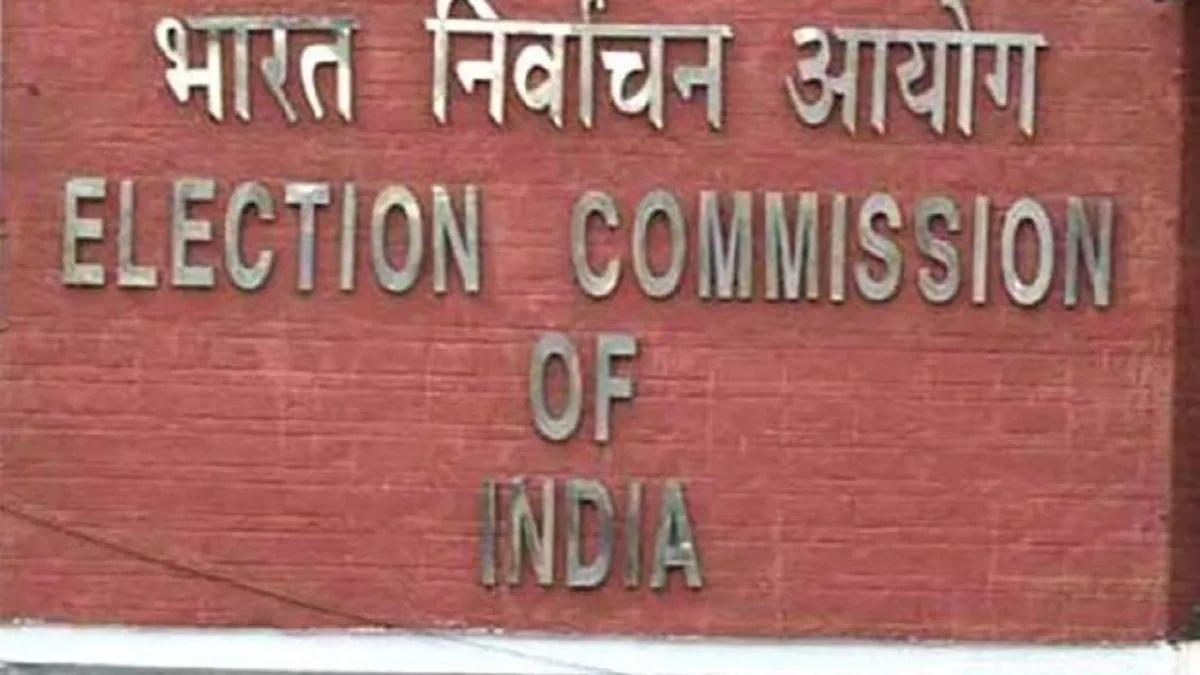
In a significant step towards enhancing political transparency, the Election Commission of India (ECI) has delisted 334 registered unrecognised political parties (RUPPs) from its records. These parties, spread across multiple states and Union Territories, had neither contested any elections since 2019 nor maintained traceable office addresses.
The delisting process began in June this year when the ECI initiated proceedings against 345 such inactive parties. Following a thorough verification, 334 of them were formally removed from the official list. This exercise is part of a recurring effort by the ECI, which has carried out similar clean-up operations three to four times since 2001.
Officials revealed that previous investigations had exposed instances where some RUPPs were misusing their privileges under Section 29A of the Representation of the People Act, 1951, including tax exemptions, for purposes unrelated to political activities. In certain cases, these entities were also found violating income tax laws and anti-money laundering regulations.
The ECI underscored that these benefits are meant only for active political bodies that participate in the democratic process and uphold transparency. Before this drive, India had 2,854 registered unrecognised political parties. With the latest deletions, the number now stands at 2,520.
India’s current political landscape officially includes six national parties and 67 recognised state parties. The Supreme Court, while restricting the ECI from “derecognising” political parties under present legal provisions, has allowed the use of delisting as an administrative measure. Unlike derecognition, delisting does not permanently strip a party of its status — a delisted party can apply for re-listing in the future without undergoing the complete recognition procedure.