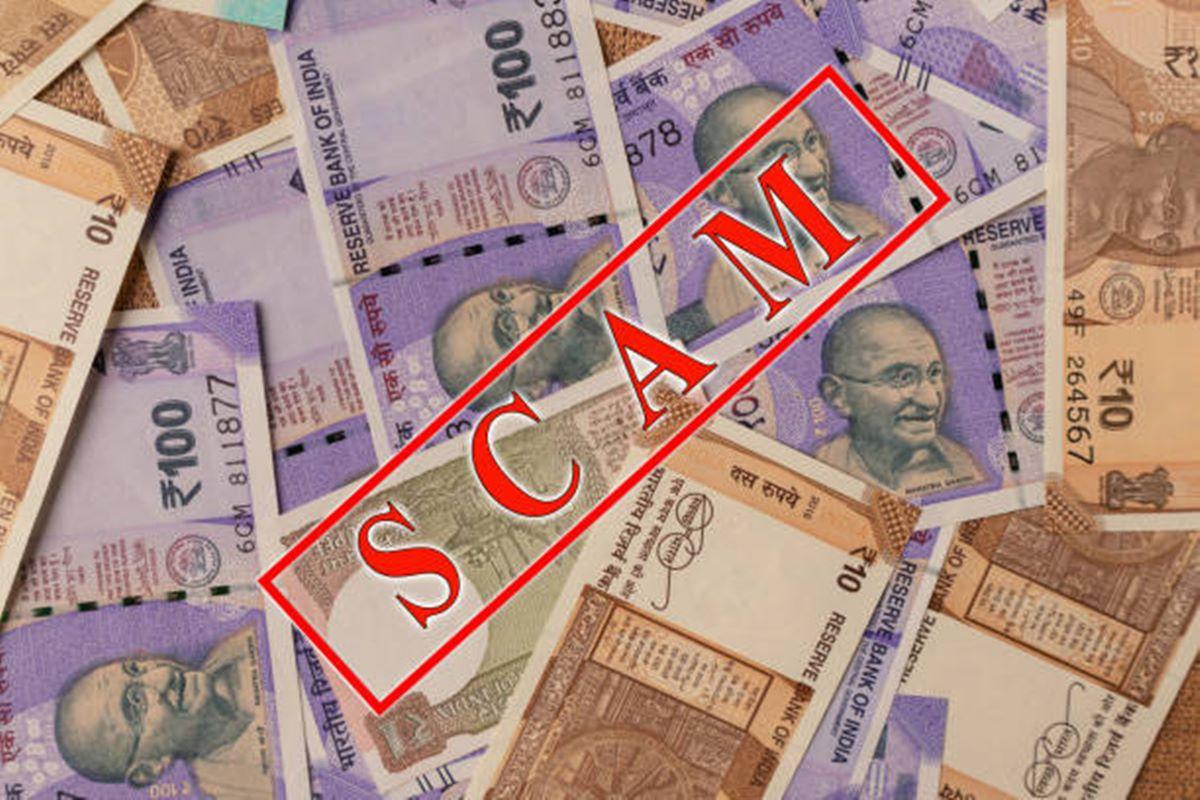
Corruption at the municipal level isn't a series of isolated incidents—it's a well-coordinated, multi-billion-rupee enterprise that thrives on public apathy and institutional decay. Every pothole that reappears within weeks, every drainage system that collapses at the first sign of rain, and every construction project that exists only on paper is part of a larger, systemic plunder orchestrated by a nexus of politicians, bureaucrats, contractors, and middlemen. This isn't just corruption; it's organized crime masquerading as governance.
The Anatomy of a Scam: How the Systematic Looting Operates
Municipal tenders are often nothing more than a charade. While the law mandates competitive bidding, in reality, contracts are pre-decided. Politicians and senior officials handpick contractors who are either loyal or indebted to them. These contractors, in turn, inflate costs, use substandard materials, and deliver shoddy work—all while ensuring that the bills are paid in full. The difference? It lines the pockets of the corrupt.
Once a project is awarded, the real exploitation begins. Delays are engineered, quality is compromised, and repairs are scheduled repeatedly, each time siphoning more public funds. This isn't negligence; it's a deliberate strategy to maximize profits at the expense of the taxpayer.
Recent Scams: A Glimpse into the Depth of the Rot
-
Mithi River Desilting Scam (Mumbai, 2020–2021): The Brihanmumbai Municipal Corporation (BMC) was defrauded of ₹62.6 crore in a desilting project that involved renting machinery instead of purchasing it. Investigations revealed that officials colluded with private firms to forge documents and inflate bills, leading to a loss of ₹17 crore alone from machinery rentals.
-
Valmiki Corporation Scam (Karnataka, 2024): Following the suicide of a corporation superintendent who exposed financial irregularities, it was discovered that ₹8.8 crore intended for Scheduled Tribe welfare projects was siphoned off to unauthorized accounts. The money was then laundered through cooperative societies and withdrawn by multiple individuals.
-
Madurai Property Tax Scam (2025): The husband of Madurai's mayor was arrested for his involvement in a property tax scam where assessments were manipulated, leading to significant revenue losses. Several municipal staff members were also implicated in the scheme.
-
Patra Chawl Redevelopment Scam (Mumbai, 2024): In a redevelopment project meant to rehabilitate 672 tenant families, the contractor sold development rights to private developers for ₹901.79 crore but failed to construct the promised flats, leading to financial irregularities and legal action.
The Unholy Alliance: Who's Involved?
The municipal mafia operates through a complex web of relationships:
-
Politicians: They control the approval and allocation of projects, ensuring that only their chosen contractors benefit.
-
Municipal Officials: They facilitate the manipulation of tenders, overlook substandard work, and approve inflated bills.
-
Contractors: They execute the projects, often cutting corners to maximize profits, and share the spoils with officials and politicians.
-
Middlemen: They act as conduits for bribes and kickbacks, ensuring that the flow of illicit money remains uninterrupted.
-
Auditors and Investigators: In some cases, they turn a blind eye to discrepancies, either due to incompetence or complicity.
The Toll on Citizens: A Broken System
The consequences of this systemic corruption are dire:
-
Infrastructure Decay: Poorly constructed roads and bridges collapse, leading to accidents and loss of life.
-
Flooding: Inadequate drainage systems cause widespread flooding during monsoons, disrupting daily life and causing property damage.
-
Housing Shortages: Redevelopment projects fail to deliver promised homes, leaving citizens in limbo.
-
Financial Losses: Taxpayers bear the brunt of inflated costs and misappropriated funds.
The System's Resilience: Why It Persists
This corruption thrives due to several factors:
-
Political Patronage: Officials and contractors are shielded by political connections, making accountability difficult.
-
Institutional Weakness: Lack of oversight and ineffective auditing mechanisms allow malpractices to go unchecked.
-
Public Apathy: Citizens often feel powerless to challenge the system, leading to a culture of silence and acceptance.
Breaking the Cycle: The Way Forward
To dismantle the municipal mafia, the following steps are crucial:
Strengthening Oversight: Independent bodies should be empowered to audit and monitor municipal projects.
Whistleblower Protection: Individuals exposing corruption must be safeguarded from retaliation.
Public Engagement: Citizens should be encouraged to participate in governance and hold officials accountable.
Legal Reforms: Stricter laws and swift judicial processes can deter potential offenders
Recent Scams Timeline (2015–2025):
Year
Scam / Issue
City / State
Estimated Loss (₹ Crore)
2015
Revenue Collection Scam
Indore, Madhya Pradesh
50
2020–2021
Mithi River Desilting Scam
Mumbai, Maharashtra
62.6
2022
Advertisement Scam in Civic Body
Haridwar, Uttarakhand
0.4
2022
Payment Scam – Municipal Engineer
Faridabad, Haryana
Several crores
2022–2025
Property Tax Scam
Madurai, Tamil Nadu
200
2024–2025
Valmiki Corporation Scam
Karnataka
94
2025
Sanitation Contract Scam
Panipat, Haryana
15.8
2025
Gym Equipment Procurement Misconduct
Cuttack, Odisha
5.24
2025
Vasai–Virar Land Scam – Asset Seizures
Vasai–Virar, Maharashtra
32 (assets seized)
2025
Haridwar Land Purchase Scam
Haridwar, Uttarakhand
50+
Note: The figures and affected citizens are estimates based on available reports. The table highlights the scale, diversity, and recurring nature of municipal corruption in India over the past decade.