In a major relief to thousands of idol makers across Maharashtra, the state government on Monday officially lifted restrictions on the manufacturing, selling, displaying, and immersing of POP (Plaster of Paris) Ganesh idols, ending a long-standing dispute that had affected the livelihoods of artisans for years.
This landmark decision, backed by scientific assessments and cultural considerations, is being hailed as a victory for faith, tradition, and employment.
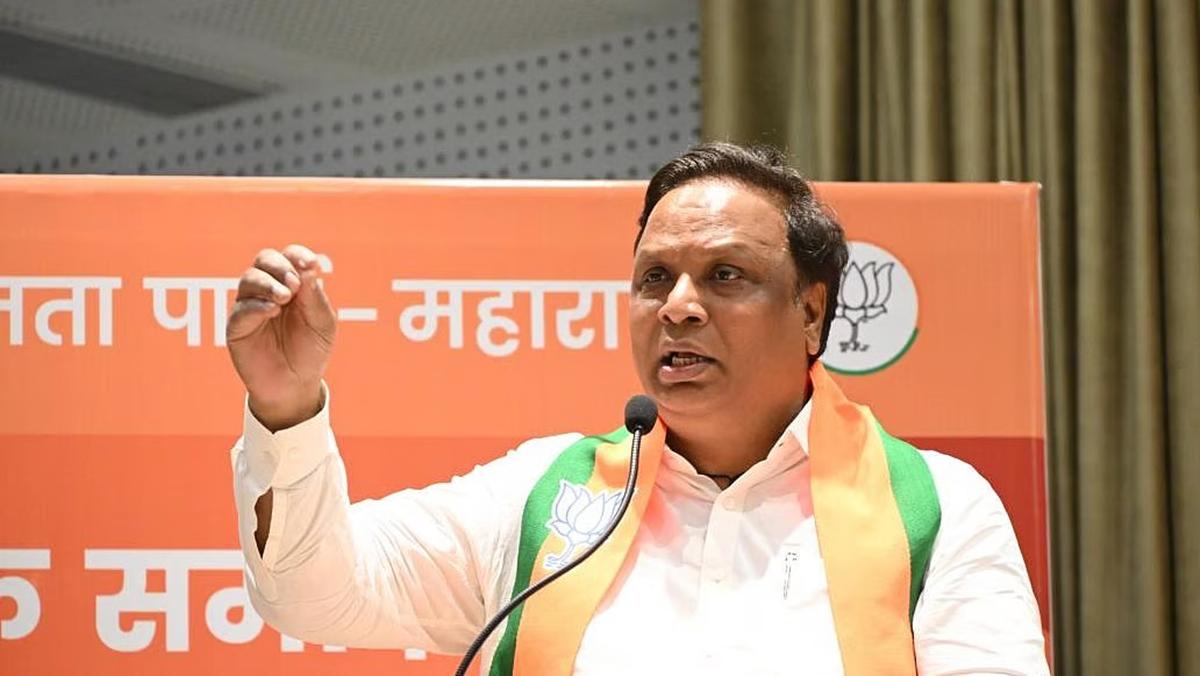
Maharashtra’s Cultural Affairs Minister Adv. Ashish Shelar praised the idol makers’ unwavering unity, calling it a “struggle for Hindutva, devotion, and survival.” He said, “These artisans waged a significant struggle, not only for faith and Hindutva but also to safeguard their livelihoods. This is not just a legal resolution. It is an emotional and cultural milestone. The unity shown by them reflects the true spirit of Ganesh devotees and the deep-rooted connection we share with our heritage.”
The decision was guided by findings from several expert panels, notably the Central Pollution Control Board (CPCB) and the Kakodkar Committee under the Rajiv Gandhi Science and Technology Commission, led by Dr. Anil Kakodkar. These reports recommended scientifically sound and eco-sensitive methods for immersion, which played a crucial role in convincing the judiciary to lift the restrictions.
Minister Shelar further emphasized that while smaller idol immersion arrangements exist in major cities like Mumbai, there is a pressing need to develop a statewide policy for large public idols. “We remain committed to protecting natural water bodies and preserving the environment, and our collective objective is to prevent pollution without compromising tradition,” he stated.
Importantly, the Kakodkar Committee has noted that sea immersion is permissible, which strengthens the government's position and opens up safe avenues for continuing age-old immersion practices.
Shelar also reiterated the government’s willingness to approach the State Government, CPCB, and courts again if necessary to secure further safeguards for artisans. “With over 60–70% of the issues faced by idol makers resolved, we will continue to raise the remaining issues while upholding both devotion and sustainability,” he concluded.