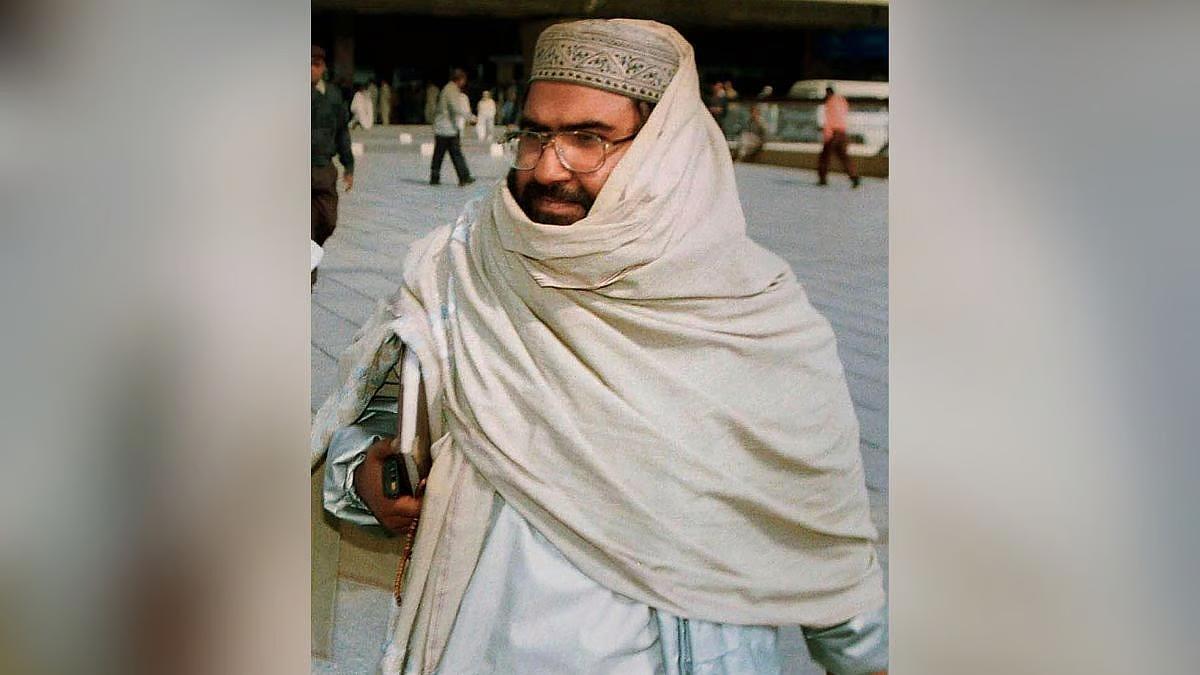
In a major counter-terrorism move, India launched a high-precision operation targeting multiple terror camps in Pakistan and Pakistan-Occupied Kashmir (PoK) under the banner of ‘Operation Sindoor’. The strikes, executed with advanced precision-guided munitions, resulted in the elimination of key operatives and affiliates of the banned terror outfit Jaish-e-Mohammed (JeM), including ten family members of its chief, Masood Azhar.
Among the deceased in the Bahawalpur strike were Azhar’s elder sister, brother-in-law, and four children. The operation also reportedly claimed the lives of four senior JeM operatives believed to be part of the group's leadership structure. Bahawalpur, known to be a stronghold of JeM, was one of the four key Pakistani cities targeted in the overnight strike.
In total, nine high-value terror launchpads were struck — four in Pakistan, located in Bahawalpur, Muridke, and Sialkot, and five in PoK. The Indian Air Force played a central role in executing the strikes with specially designed munitions, ensuring precise targeting and minimal collateral damage.
The operation comes in the wake of the April 22 terror attack in Pahalgam that claimed 26 Indian lives, triggering widespread national outrage. In response, Indian armed forces launched the retaliatory operation to neutralize the infrastructure that had enabled the attack.
Top government officials, including Foreign Secretary Vikram Misri, Colonel Sofiya Qureshi, and Wing Commander Vyomika Singh, briefed the media on the success and scope of the operation. According to official statements, the mission was aimed solely at terror infrastructure and was carried out with utmost care to avoid civilian casualties.