Amid escalating regional tensions and emerging security challenges, the Union Ministry of Home Affairs (MHA) has directed all states and Union Territories to conduct nationwide civil defence mock drills on Wednesday, May 7, across 244 designated civil defence districts. The move follows a high-level security review chaired by Prime Minister Narendra Modi in the wake of the Pahalgam terror attack, which claimed the lives of 26 people, mostly tourists.
In a letter issued by the Directorate General Fire Service, Civil Defence and Home Guards, the Centre stated:
“In the current geo-political scenario, new and complex threats/challenges have emerged, hence, it would be prudent that optimum civil defence preparedness in the states/UTs is maintained at all times.”
The timing of the directive is notable, coming just hours after Pakistan conducted its second missile test in two days under “Exercise INDUS”. Pakistan Prime Minister Shehbaz Sharif commented on the test saying, “Pakistan’s defence is in strong hands,” signaling heightened alert on both sides of the border.
What the drill will include
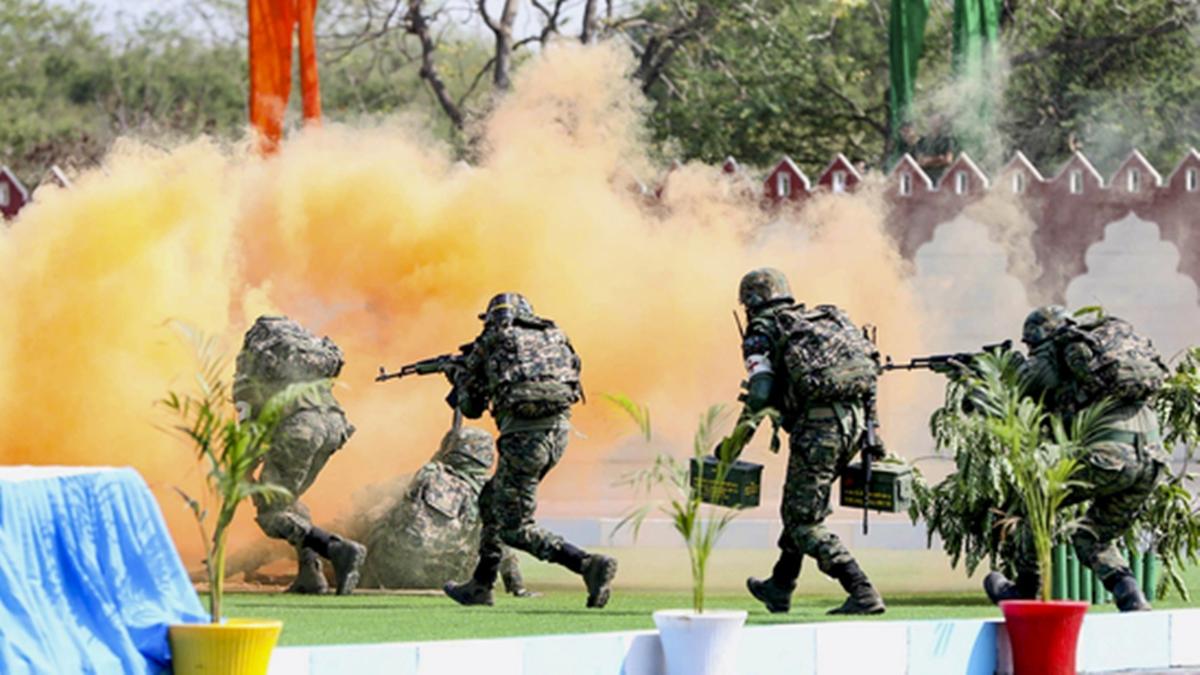
According to the MHA circular, the May 7 exercise will simulate scenarios ranging from air raids to critical infrastructure sabotage. The objectives include:
Testing air raid warning systems
Activating hotline and radio communication with the Indian Air Force
Verifying the functionality of main and shadow control rooms
Training civilians and students in basic survival and civil defence techniques
Assessing crash blackout and camouflaging measures
Reviewing evacuation plans and emergency response systems
“The conduct of the exercise is planned up to the village level. This aims to assess and enhance the readiness of civil defence mechanisms across all states and Union territories,” the ministry said.
The drill will involve a wide array of personnel, including district controllers, civil defence wardens, home guards (active and reserve), National Cadet Corps (NCC), National Service Scheme (NSS) volunteers, Nehru Yuva Kendra Sangathan (NYKS) members, and school and college students.
With the evolving threat landscape—from cross-border terrorism to cyber and missile warfare—the Centre’s move underscores the importance of a community-based, decentralized response network capable of adapting to real-time emergencies.