In a major escalation of diplomatic tensions, Pakistan has urged India to reconsider its decision to suspend the decades-old Indus Waters Treaty, warning that the move could trigger a wider regional crisis. The appeal, reported by India Today, comes days after India put the treaty on hold in response to a deadly terror attack in Jammu and Kashmir’s Pahalgam that left 26 people, including one Nepali national, dead.
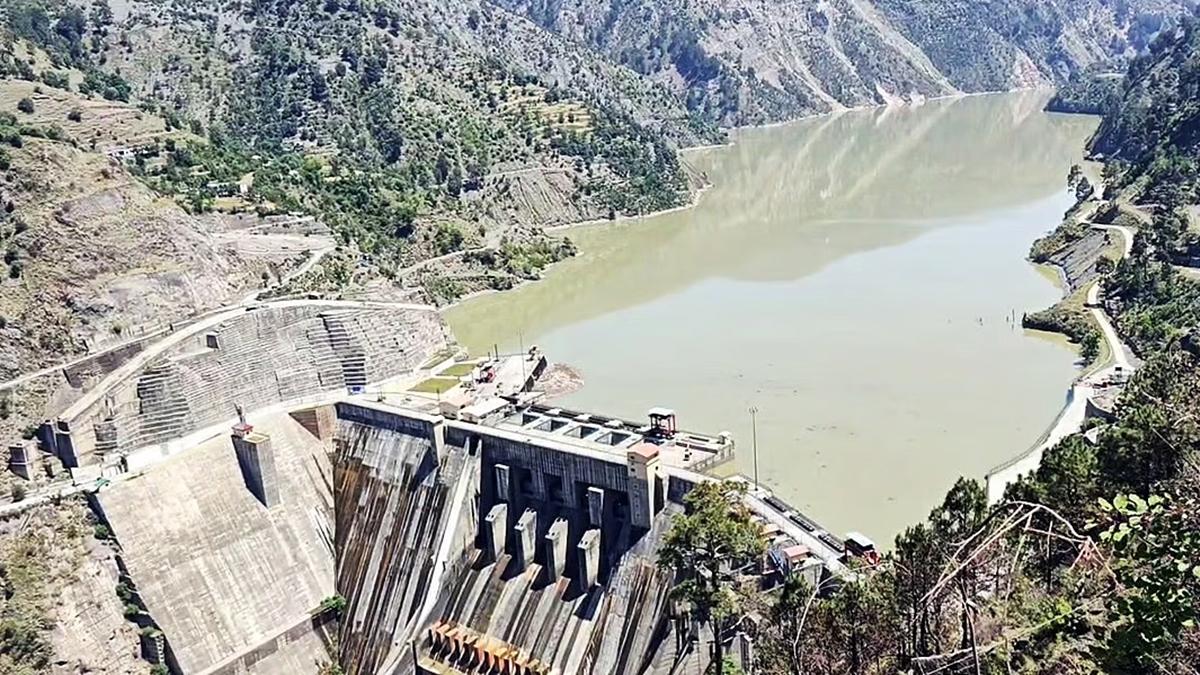
The treaty, signed in 1960 under the auspices of the World Bank, governs the distribution of water from six rivers between the two countries. It has long been seen as a rare example of cooperation in an otherwise turbulent relationship. But New Delhi now believes that Pakistan’s continued support for cross-border terrorism has eroded the foundation of that agreement.
A formal communication from Pakistan’s Ministry of Water Resources to India’s Ministry of External Affairs (MEA) has reportedly called the suspension a “destabilizing” step and urged for the status quo to be maintained in the interest of regional peace and water security.
However, India has shown no signs of backing down.
“The Indus Waters Treaty was concluded in the spirit of goodwill and friendship as specified in the preamble of the treaty. However, Pakistan has held these principles in abeyance by its promotion of cross-border terrorism for decades,” said MEA spokesperson Randhir Jaiswal during a press conference.
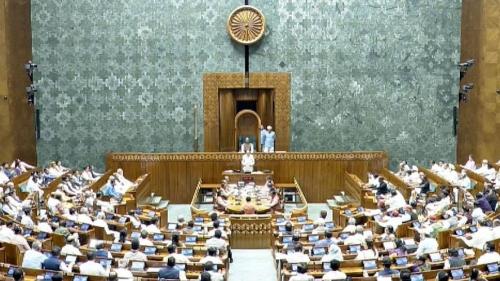
The Indian government’s decision followed a high-level meeting of the Cabinet Committee on Security (CCS), which concluded that business-as-usual diplomatic protocols were no longer viable in the face of continued terror threats allegedly originating from Pakistani soil.
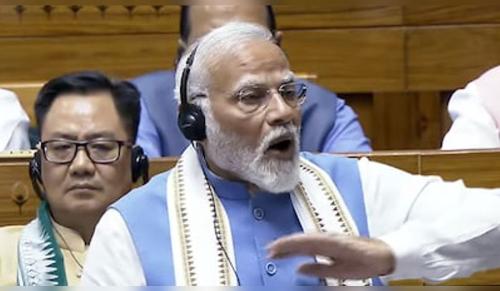
Prime Minister Narendra Modi, addressing the nation shortly after the CCS meeting, made the government’s stance unambiguous:
“Terror and talks cannot happen at the same time. Terror and trade cannot happen simultaneously. Water and blood cannot flow together.”
The Modi government has also indicated that future dialogue with Islamabad, if any, will center strictly on counter-terrorism efforts and the return of Pakistan-Occupied Kashmir (PoK) — sidelining other long-standing bilateral concerns.