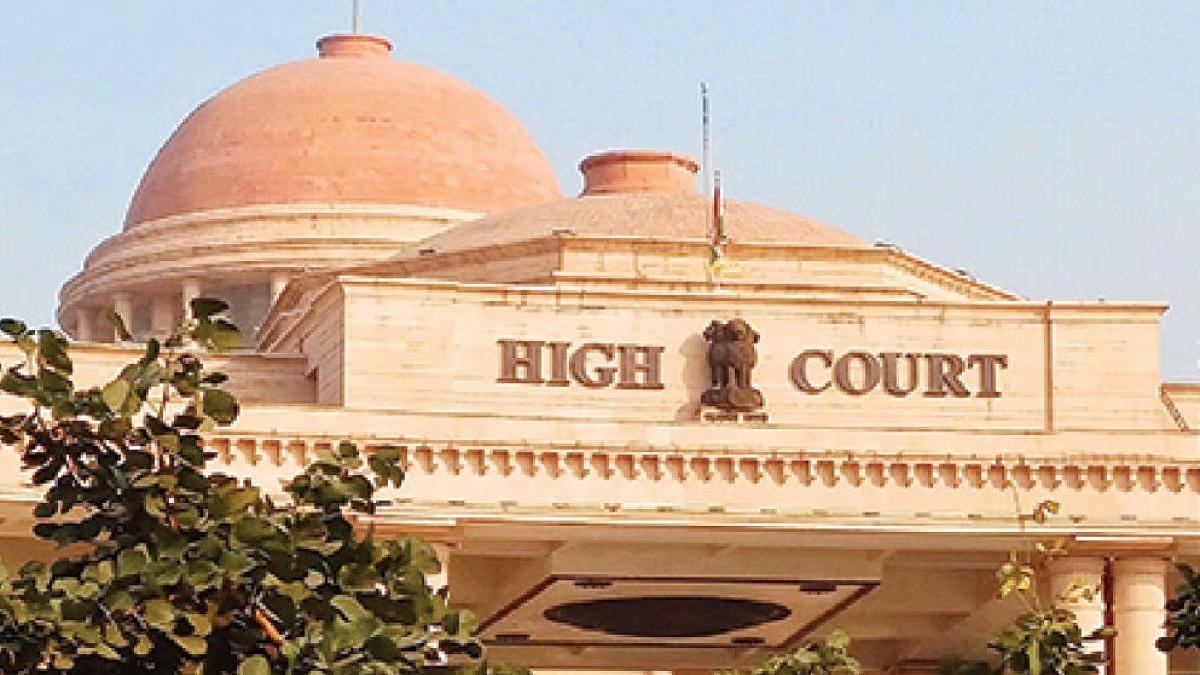
The Allahabad High Court has reaffirmed that a woman who is unable to sustain herself is legally entitled to financial support from her husband, observing that maintenance may extend up to 25 per cent of the husband’s income. The court dismissed a plea challenging an increase in monthly maintenance awarded to a woman by a family court in Shahjahanpur.
The ruling was delivered by Justice Madan Pal Singh while rejecting a criminal revision petition filed by Suresh Chandra. Chandra had questioned a family court order dated July 26, 2024, which enhanced the maintenance payable to his wife from ₹500 to ₹3,000 per month.
The High Court underscored that maintaining a wife is both a moral and statutory responsibility, particularly when she lacks the means to support herself. It noted that the petitioner had not cited any physical incapacity or valid reason to escape this obligation.
The dispute dates back to 2003, when a trial court first granted the wife monthly maintenance of ₹500 under Section 125 of the Code of Criminal Procedure. In 2015, the wife sought revision of the amount under Section 127 of the CrPC, citing rising expenses, following which the maintenance was increased to ₹3,000.
Challenging this enhancement, Chandra argued that he works as a daily wage labourer with limited income and claimed that the family court failed to adequately assess his financial capacity. He also contended that the maintenance had been revised multiple times over the years.
The state government opposed the plea, pointing out that the enhanced amount was reasonable in light of inflation and rising living costs, and could not be considered excessive.
After examining the records, the High Court found no evidence to suggest that the wife had any independent source of income. The court further observed that even a labourer could reasonably earn around ₹600 per day, translating to an estimated monthly income of ₹18,000.
Citing established Supreme Court precedents, the court noted that awarding maintenance up to one-fourth of the husband’s income is legally permissible. In this context, the court said the amount of ₹3,000 per month was well within permissible limits and, in fact, modest.