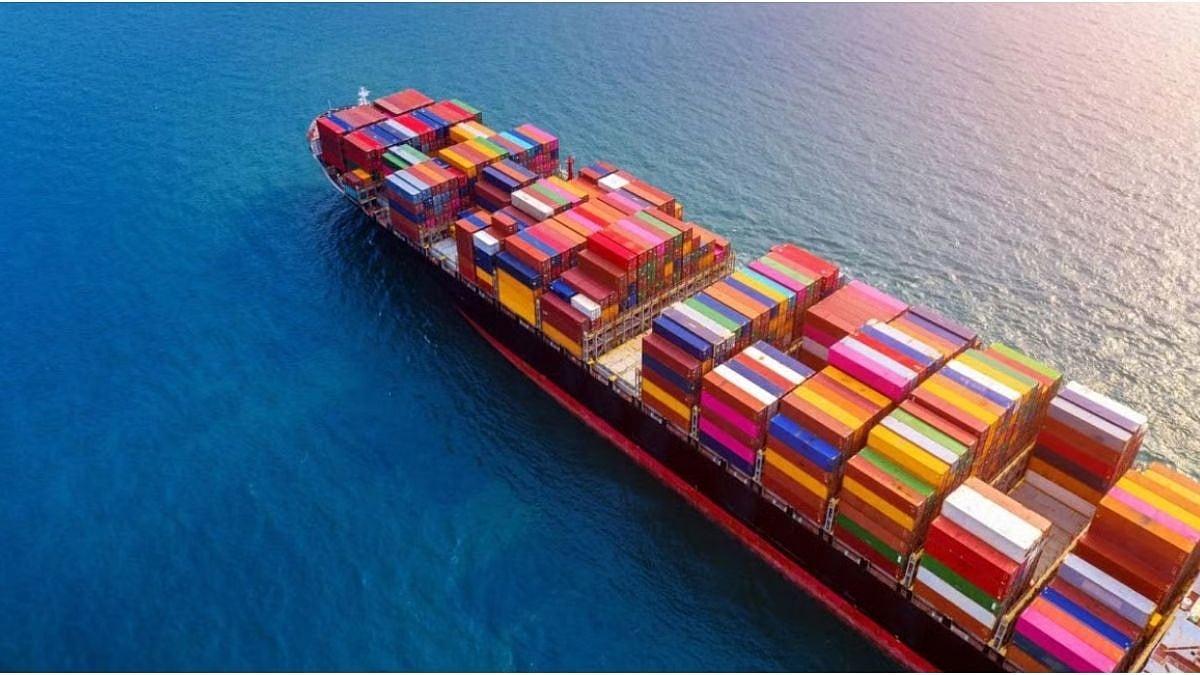
India and the European Union have concluded negotiations on a long-awaited Free Trade Agreement, a move that could significantly reshape India’s export future. The agreement, covering trade with all 27 EU nations, comes at a time when global trade routes are under strain and traditional markets are becoming increasingly uncertain.
One of the biggest reasons this deal matters is market diversification. Indian exporters have been heavily dependent on a few destinations such as the United States and parts of Asia. With rising tariffs, trade barriers, and geopolitical uncertainty in these regions, access to the EU’s vast and stable market offers India a crucial alternative.
Lower import duties under the agreement are expected to make Indian goods more competitive in Europe. Sectors like textiles, garments, leather, footwear, and auto components are likely to see immediate benefits. These industries employ millions of workers and have long struggled with higher tariffs compared to competitors from countries like Vietnam and Bangladesh. Reduced duties could help Indian products gain better shelf space and pricing power in European markets.
Pharmaceuticals, engineering goods, steel, and petroleum products are also expected to benefit. Easier market access could allow Indian manufacturers to scale up exports while meeting European quality and safety standards. Over time, this could strengthen India’s position as a reliable global supplier.
The deal is not limited to goods alone. India’s services sector, especially IT, business services, and logistics, may gain from smoother regulations and better recognition of professional qualifications. This could support India’s ambition to grow high-value exports beyond traditional manufacturing.
From a strategic point of view, the agreement reduces India’s dependence on China-centric supply chains. European companies looking to diversify production bases may see India as a preferred destination, boosting exports as well as investment.
In a world where trade is increasingly shaped by politics and protectionism, the India–EU Free Trade Agreement gives Indian exporters a rare opportunity: stable access to a large, wealthy, and rules-based market. If implemented effectively, it could become a key driver of India’s export growth in the coming decade.