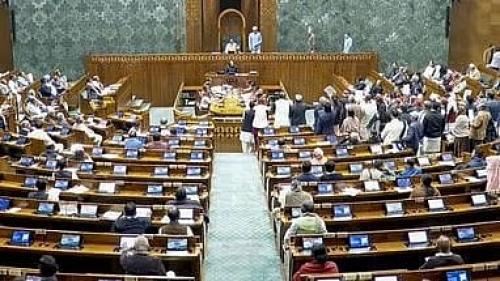
Prime Minister Narendra Modi on Monday delivered a detailed statement in the Lok Sabha on the escalating West Asia conflict, outlining India’s diplomatic stand, economic concerns, and national preparedness amid growing global uncertainty. Calling the situation “worrisome,” he said India has expressed deep concern from the very beginning and is actively engaging with global leaders to reduce tensions and push for a peaceful resolution. He confirmed that he personally spoke with key leaders in the region, urging them to end the escalation and restore stability, while ministers like Hardeep Singh Puri and S. Jaishankar have been regularly briefing Parliament.
The Prime Minister made it clear that the ongoing conflict, now stretching beyond three weeks, is having serious consequences on the global economy, trade routes, and livelihoods. He emphasised that West Asia is critically important for India due to strong trade ties, energy dependence, and the presence of nearly one crore Indians living and working in the region. He warned that attacks on civilian infrastructure, commercial vessels, and key maritime routes like the Strait of Hormuz are unacceptable, adding that India is working diplomatically to ensure the safe movement of Indian ships even in difficult conditions.
Highlighting India’s internal preparedness, Modi pointed to major progress in energy diversification and infrastructure. He said ethanol blending in petrol has reached nearly 20%, significantly reducing dependence on crude oil imports by millions of barrels annually. He also noted the expansion of railway electrification and metro networks, which have reduced fuel consumption and strengthened the country’s resilience during global disruptions. On the power front, he assured that India has sufficient coal reserves, with record production exceeding one billion tonnes for the second consecutive year, ensuring stable electricity supply even as demand rises during the summer season.
Addressing food and agricultural security, the Prime Minister said India’s food grain reserves are strong due to farmers’ efforts, and the government has made adequate arrangements for fertilisers to support upcoming Kharif sowing. He reiterated that the government is committed to protecting farmers from the impact of global crises.
On the safety of Indian citizens abroad, Modi said the government has carried out a massive evacuation and support operation. Over 3.75 lakh Indians have safely returned home since the conflict began, including around 1,000 from Iran, many of them students. He added that 24/7 control rooms and helplines have been set up, and continuous diplomatic engagement has ensured safety assurances from foreign governments. He also acknowledged the loss of some lives and assured support to affected families.
Focusing on the energy crisis, the Prime Minister admitted that disruptions in the Strait of Hormuz have affected cargo movement, crude oil, and fertiliser supplies. Despite this, he said the government is working to ensure minimal impact on fuel availability. He noted that India imports around 60% of its LPG needs and that domestic production is being increased to manage supply uncertainties. He also urged strict action against hoarding and black marketing during this sensitive period.
Modi further highlighted India’s long-term preparedness through strategic petroleum reserves, stating that the country currently holds over 5.3 million metric tonnes of reserves and is working to expand capacity beyond 6.5 million metric tonnes. He added that refining capacity has increased significantly and the government is in constant touch with global suppliers to ensure uninterrupted energy supply.
Warning about internal security risks, the Prime Minister said all law and order agencies have been placed on high alert, including coastal, border, cyber, and strategic infrastructure security. He cautioned that some elements may try to spread rumours or exploit the situation and urged citizens to remain vigilant and united.
Concluding his address, Modi stressed that the global situation may remain difficult for a long time and called for a united national response. He said India’s focus remains on protecting its people, maintaining economic stability, and promoting peace through diplomacy, adding that a coordinated “whole-of-government approach” will ensure the country remains strong during this crisis.