In a significant move that could ease the financial burden on millions of Indian households, the central government is considering a major overhaul of the Goods and Services Tax (GST) structure. According to media reports, a proposal is under review to either slash the 12% GST rate to 5% or eliminate the 12% tax slab altogether.
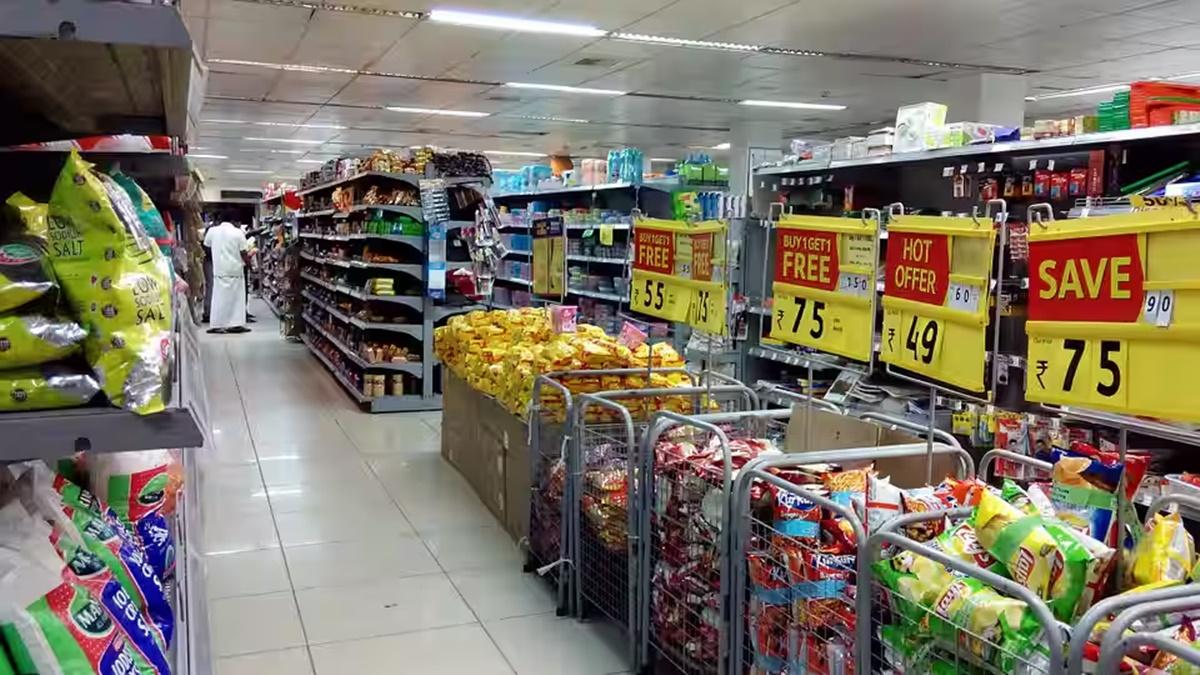
The proposed restructuring, aimed at making essential daily-use items more affordable, is expected to directly benefit middle-class and low-income families, especially at a time when household budgets are strained by rising prices.
A wide range of everyday goods currently taxed at 12% could see a price drop if shifted to the 5% slab. These include toothpaste, tooth powder, umbrellas, sewing machines, pressure cookers, kitchen utensils, electric irons, geysers, small-capacity washing machines, bicycles, readymade garments priced above ₹1,000, footwear between ₹500–₹1,000, stationery, vaccines, ceramic tiles, and agricultural tools.
If approved, the move would not only reduce the effective tax burden but also lower the market prices of these items, offering real monthly savings for ordinary consumers.
GST Council Meeting to Decide
The final decision on the proposed changes is expected during the 56th meeting of the GST Council, which could take place later this month. The Council is chaired by the Union Finance Minister and includes finance ministers from all states. As per protocol, a 15-day notice is required before convening such a meeting.
The council’s verdict will determine whether these items will be permanently reclassified under the lower 5% GST slab or if other alternatives will be explored.
Political and Economic Implications
While the move is positioned as a pro-people measure to make essentials more affordable, observers note its political timing—coming just months before key elections. If implemented, it would be a significant pre-election boost for the government and could influence voter sentiment in both urban and rural regions.
The 12% GST slab currently covers a large share of household-use goods, often considered semi-essential—too important to be luxury items, but not basic enough for the 5% or nil category. Over the years, there have been multiple calls from industry bodies, economists, and consumer groups to simplify the GST structure and reduce rates on such goods.