In India, the question of who qualifies as a taxpayer often creates confusion. Many people think that only those who pay income tax are taxpayers. However, this is a narrow view of the country’s tax system. In reality, every citizen who buys goods or services pays taxes, mostly in the form of indirect taxes such as the Goods and Services Tax (GST). Understanding this distinction is important to grasp how taxation works in India and why GST is so relevant today.
Income tax is a direct tax paid by individuals and businesses based on their earnings. According to recent government data, only about 7 to 8 crore people in India file income tax returns. This number is small compared to the total population of over 140 crore. This means that only a small percentage of Indians contribute directly to the government’s revenue through income tax. The reasons for this include many people living below the taxable income threshold, working in the informal sector, or not filing returns even when they should.
State-wise annual GST collection (2019-2025) (in Rs. Crore)
| State/UT | 2019-20 | 2020-21 | 2021-22 | 2022-23 | 2023-24 | 2024-25 (Till Nov) |
|---|
| Andaman & Nicobar Islands | 361 | 255 | 332 | 373 | 428 | 287 |
| Andhra Pradesh | 27,108 | 26,163 | 32,710 | 40,232 | 44,298 | 30,056 |
| Arunachal Pradesh | 581 | 651 | 710 | 1,023 | 1,308 | 765 |
| Assam | 10,423 | 10,030 | 12,007 | 13,710 | 15,602 | 11,417 |
| Bihar | 12,640 | 11,638 | 13,534 | 16,548 | 18,021 | 12,760 |
| Chandigarh | 1,988 | 1,651 | 1,979 | 2,365 | 2,771 | 1,944 |
| Chhattisgarh | 24,160 | 24,419 | 29,571 | 31,968 | 34,874 | 24,119 |
| Dadra and Nagar Haveli and Daman & Diu | 1,155 (Daman and Diu), 1,810 (Dadra and Nagar Haveli) | 305 (Daman and Diu), 2,349 (Dadra and Nagar Haveli) | 5 (Daman and Diu), 3,141 (Dadra and Nagar Haveli) | 3 (Daman and Diu), 3,771 (Dadra and Nagar Haveli) | 3 (Daman and Diu), 4,333 (Dadra and Nagar Haveli) | 1 (Daman and Diu), 2,896 (Dadra and Nagar Haveli) |
| Delhi | 44,161 | 36,568 | 46,253 | 55,843 | 66,445 | 52,980 |
| Goa | 4,280 | 3,270 | 4,364 | 5,520 | 6,475 | 4,592 |
| Gujarat | 78,923 | 74,346 | 97,155 | 1,14,221 | 1,25,168 | 90,838 |
| Haryana | 59,560 | 54,890 | 68,142 | 86,668 | 1,02,914 | 78,102 |
| Himachal Pradesh | 7,960 | 7,055 | 8,023 | 8,778 | 9,956 | 7,021 |
| Jammu & Kashmir | 4,010 | 3,648 | 4,692 | 5,246 | 6,704 | 4,861 |
| Jharkhand | 22,847 | 20,482 | 27,854 | 32,019 | 34,738 | 23,905 |
| Karnataka | 83,408 | 75,660 | 95,926 | 1,22,822 | 1,45,266 | 1,05,070 |
| Kerala | 19,234 | 17,349 | 22,264 | 27,371 | 30,677 | 21,822 |
| Ladakh | - | 114 | 207 | 333 | 481 | 345 |
| Lakshadweep | 20 | 13 | 18 | 21 | 45 | 14 |
| Madhya Pradesh | 28,354 | 27,005 | 31,255 | 36,232 | 42,174 | 29,438 |
| Maharashtra | 1,85,917 | 1,65,308 | 2,17,993 | 2,70,346 | 3,20,117 | 2,36,089 |
| Manipur | 435 | 392 | 551 | 615 | 670 | 490 |
| Meghalaya | 1,522 | 1,337 | 1,764 | 2,076 | 2,260 | 1,344 |
| Mizoram | 296 | 257 | 316 | 419 | 500 | 361 |
| Nagaland | 317 | 389 | 420 | 566 | 711 | 426 |
| Odisha | 29,677 | 29,844 | 44,335 | 49,442 | 54,748 | 39,612 |
| Other Territory | 1,753 | 1,337 | 1,590 | 2,609 | 2,615 | 1,645 |
| Puducherry | 1,871 | 1,646 | 1,824 | 2,373 | 2,636 | 1,893 |
| Punjab | 15,235 | 13,913 | 18,406 | 20,949 | 24,061 | 17,769 |
| Rajasthan | 32,821 | 31,797 | 38,480 | 45,458 | 50,174 | 35,436 |
| Sikkim | 2,248 | 2,266 | 2,811 | 3,156 | 3,707 | 2,696 |
| Tamil Nadu | 74,430 | 69,121 | 85,492 | 1,04,377 | 1,21,329 | 86,173 |
| Telangana | 39,820 | 36,346 | 45,081 | 51,831 | 59,942 | 41,065 |
| Tripura | 680 | 732 | 777 | 884 | 1,053 | 747 |
| Uttar Pradesh | 65,281 | 59,721 | 73,865 | 87,970 | 1,01,693 | 75,468 |
| Uttarakhand | 14,722 | 12,339 | 13,680 | 16,845 | 19,231 | 14,070 |
| West Bengal | 43,386 | 39,694 | 47,898 | 58,060 | 62,613 | 44,246 |
On the other hand, indirect taxes like GST are paid by almost everyone in the country. GST is included in the price of most goods and services, so whenever a person buys anything taxable, from food and clothing to mobile phones, they pay GST without even realizing it. Because of this, every consumer becomes a taxpayer in a broader sense. This greatly expands the tax base beyond those who file income tax returns.
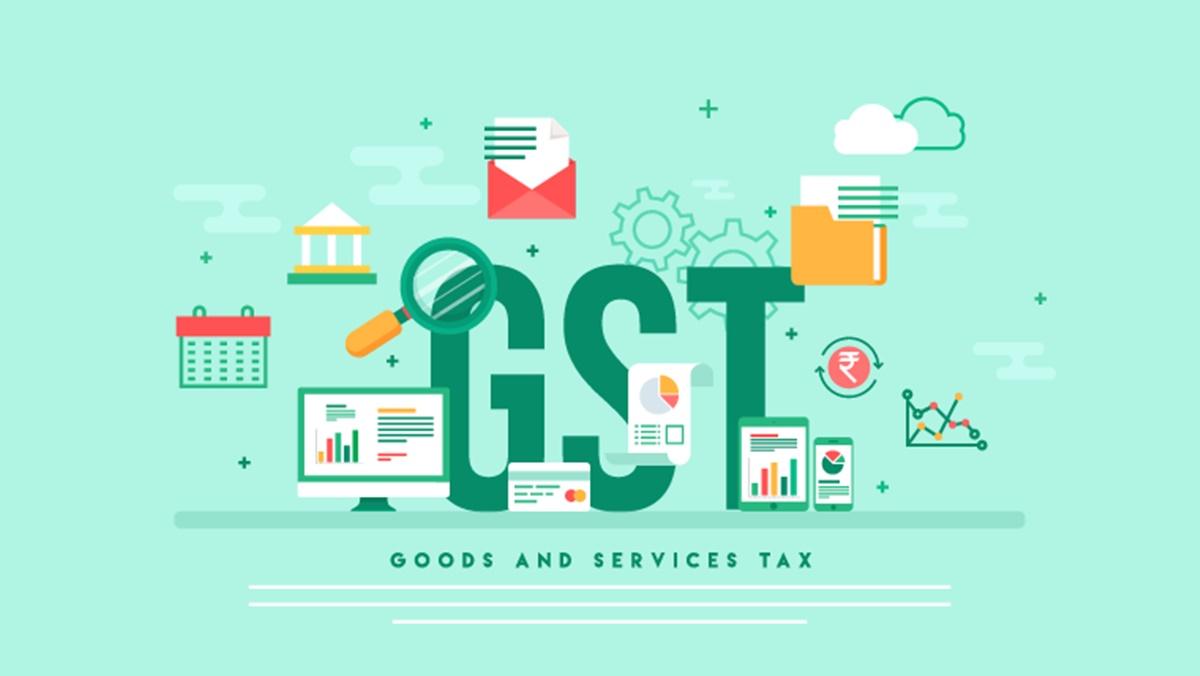
GST was introduced in India in 2017 to simplify and unify various indirect taxes previously levied by central and state governments. It replaced a complex web of taxes like VAT, service tax, excise duty, and others with a single, nationwide tax system. This not only helped in reducing tax evasion but also made compliance easier for businesses. GST ensures that tax is collected at every stage of the supply chain and ultimately borne by the final consumer.

GST makes the tax system more inclusive, even if a person does not have taxable income or does not file income tax returns, they still contribute to government revenue by paying GST on their purchases. This means millions of people outside the formal tax net are indirectly supporting public finances.
Direct Tax Collection

However, it is important to recognize that GST is a consumption tax and can be regressive in nature. This means that lower-income individuals may spend a higher percentage of their income on GST compared to wealthier citizens. To address this, essential goods such as basic food items are often exempt or taxed at lower rates. Still, the government needs to carefully balance tax rates and exemptions to ensure fairness.
The relevance of GST in India’s tax structure is clear. While direct taxes like income tax are important sources of revenue, indirect taxes, led by GST, contribute a major share to government finances. This reflects the reality that taxing consumption allows a much wider portion of the population to contribute, especially in a country with a large informal economy.
In conclusion, counting only income tax filers as taxpayers gives an incomplete picture of India’s tax system. Every citizen who consumes goods and services pays taxes through GST and other indirect levies. GST has redefined the concept of taxpayers in India, making it more inclusive and comprehensive. Understanding this helps in appreciating the true nature of tax contributions and the vital role GST plays in India’s economic growth and governance.
Disclaimer: The figures presented in these tables have been sourced from multiple publicly available government portals and reputable websites. While every effort has been made to ensure accuracy, discrepancies may exist due to variations in reporting and updates from different sources.