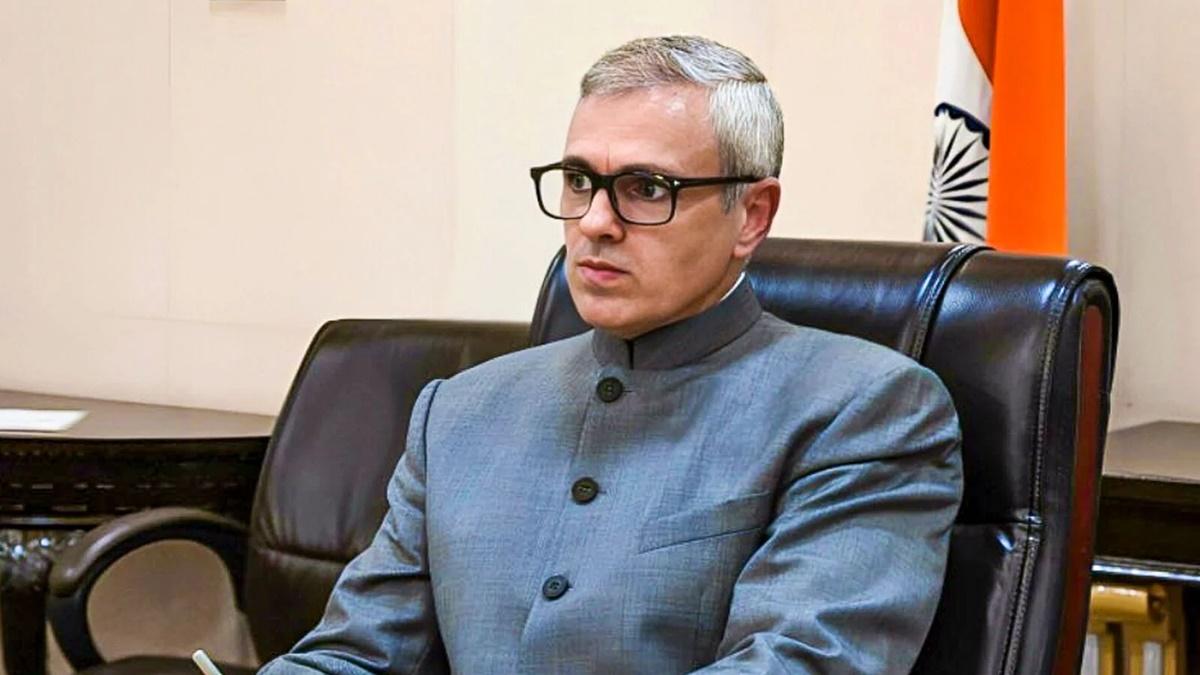
A day after Martyrs' Day in Jammu and Kashmir, former Chief Minister Omar Abdullah sharply criticized the administration for imposing restrictions that allegedly prevented him and his party leaders from offering Fatiha at the Mazar-e-Shuhada (Graveyard of Martyrs) in Srinagar on July 13.
According to Omar Abdullah, senior leaders of the National Conference were placed under de facto house arrest on Saturday morning, preventing them from participating in the annual tribute to the 1931 martyrs. He alleged that security barricades and bunkers were suddenly placed outside his residence soon after he informed authorities of his intention to visit the site.
Despite the restrictions, Omar Abdullah managed to visit the graveyard a day later — on Sunday — without prior notice. He claimed attempts were made once again to block his access, but he and his supporters pushed through and successfully offered prayers at the site.
Abdullah expressed anger at what he described as an erosion of civil liberties in the Union Territory, questioning the legality of the restrictions placed on his movement. He accused authorities of treating the region as if it were under control rather than democratic governance, and condemned the symbolic targeting of party flags and memorial sites.
The Mazar-e-Shuhada in Srinagar holds deep historical and emotional significance in Kashmir, as it is the resting place of 22 civilians who were killed by the Dogra Army on July 13, 1931, while protesting autocratic rule. Every year, political parties traditionally pay homage to the martyrs, though recent years have seen the official holiday removed from the calendar, and security measures tightened around the site.