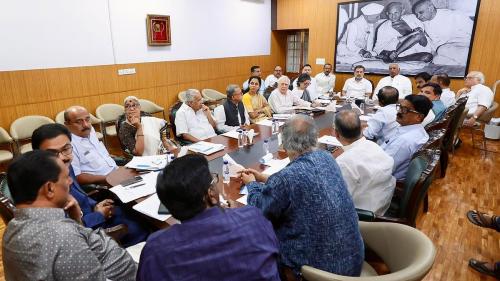
In a significant move aimed at improving the safety and working conditions of gig workers, the Union government has successfully nudged major app-based delivery companies to step away from ultra-fast delivery guarantees. Union Labour Minister Mansukh Mandaviya held detailed consultations with leading quick-commerce and food delivery platforms, urging them to reconsider rigid delivery timelines that place delivery partners under intense pressure.
According to officials familiar with the discussions, the minister clearly conveyed that strict time-bound delivery promises often encourage risky behaviour on roads and negatively affect the physical and mental well-being of delivery workers. The platforms were advised to prioritise worker safety over aggressive marketing strategies centred on speed.
Among the first to respond to the government’s intervention was quick-commerce company Blinkit, which has now removed the “10-minute delivery” claim from its branding and promotional material. The company has also revamped its messaging to focus on product range and convenience rather than speed, signalling a clear shift in its public positioning.
Other major players, including Zepto, Zomato, and Swiggy, assured the government that they would soon eliminate delivery-time guarantees from their advertisements, apps, and social media campaigns. Officials said the platforms have agreed in principle that flexible delivery expectations can reduce stress on workers and lead to safer operations.
The move comes against the backdrop of growing unrest among gig workers across the country. Delivery partners and app-based workers had earlier announced nationwide protests in late December, raising concerns over shrinking earnings, lack of social security, and unsafe work expectations. Labour groups have repeatedly accused platforms of promoting business models that reward speed at the cost of safety.
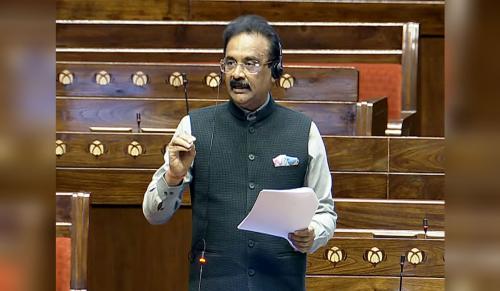
The issue has also gained traction in Parliament, where several members have highlighted the difficult conditions faced by gig workers. Lawmakers pointed out that delivery personnel often work long hours under severe time pressure, frequently navigating traffic and extreme weather without adequate safeguards.
There is now increasing political momentum around regulating app-based service platforms, particularly in areas such as minimum earnings, insurance coverage, and workplace safety. With delivery companies beginning to revise their practices, observers see this as a potential turning point in how India’s rapidly expanding gig economy is governed.