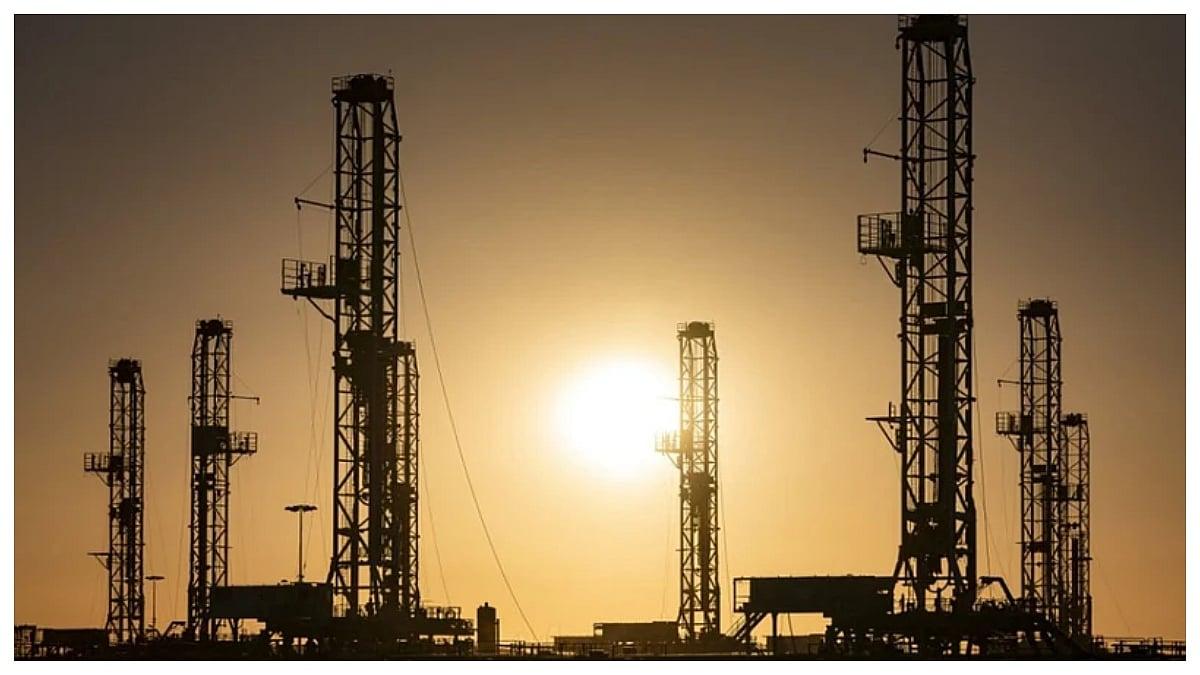
India currently holds around 100 million barrels of crude oil across commercial inventories, strategic petroleum reserves, and tankers on the way—enough to meet domestic needs for roughly 40-45 days if Middle Eastern supplies are disrupted due to escalating tensions around the Strait of Hormuz.
The country imports 88% of its crude oil, with more than half sourced from Middle Eastern nations. Any closure or slowdown in the narrow 33-kilometre strait, which connects the Persian Gulf to the Arabian Sea, could raise import costs, disrupt logistics, and push global oil prices higher. Brent crude has already jumped above USD 80 per barrel, a 10% rise since the recent Iran crisis.
Experts say India’s strategic and commercial reserves act as a temporary cushion, ensuring short-term supply despite geopolitical risks. “Commercial stocks plus strategic reserves can cover around 40-45 days of imports if shipments through the Strait of Hormuz are delayed,” said Sumit Ritolia, Lead Research Analyst at Kpler.
If the disruption lasts longer, India may need to divert imports from West Africa, Latin America, or the United States, or even absorb floating Russian cargoes to prevent shortages. Policy interventions such as temporarily curbing refined fuel exports could also help maintain domestic supply.
India exported 23.7 million tonnes of petroleum products in 2024-25, roughly 10% of domestic consumption. Redirecting part of these exports to the home market could provide additional buffer in case of prolonged crude shortages.
The situation underscores India’s delicate energy dependence on the Middle East, with current reserves buying critical time to manage supply risks and stabilize fuel availability for the next 1-1.5 months.