In response to the recent political turmoil in Bangladesh, India has proactively engaged with the country?s military leadership, led by Army Chief General Waker-us-Zaman. The Modi government has called for an expedited restoration of peace, law and order, and normalcy following the ouster of Prime Minister Sheikh Hasina on Monday, as reported by the Hindustan Times.
According to high-level government sources, India has reached out to General Waker-us-Zaman, offering support to help stabilize the situation in Dhaka, reported by Hindustan Times. The Indian government?s intervention underscores its commitment to supporting its neighbor in this period of crisis.
Sheikh Hasina, who was ousted from power earlier this week, is reportedly being treated as a guest by the Indian government, with her future residence yet to be determined. This comes after Hasina had previously expressed reluctance to participate in the January 2024 general elections, citing significant threats from Islamist factions and regime change agents.
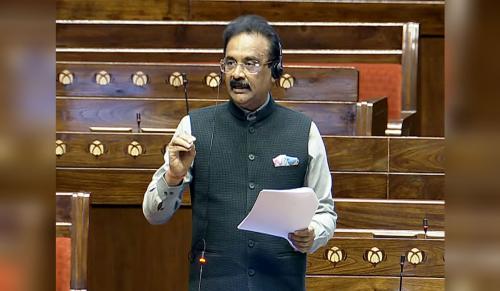
External Affairs Minister S. Jaishankar addressed questions from the Opposition regarding potential Pakistani involvement in Hasina?s ouster. He highlighted that the issue is under examination, noting the presence of Bangladesh opposition figures on Pakistani diplomats' social media profiles. This revelation has added another layer of complexity to the already tense situation.
Also Read: Bangladesh Turmoil: BSF Issues High Alert As Sheikh Hasina Resigns And Flees the Country
The Modi government is closely monitoring the fallout from the coup and is strategizing on how to restore normalcy through dialogue with the protesting youth in Bangladesh. With the country facing an imminent economic crisis akin to that of Pakistan, Maldives, and Sri Lanka, international financial institutions backed by the West will play a crucial role in stabilizing the Bangladeshi economy.
As the Army and radical elements in Bangladesh celebrate the political shift, there are growing concerns about the country's economic stability and the potential rise of radicalism if unemployment continues to soar. The Modi administration faces a delicate balancing act, supporting the stabilization of the interim government while navigating the complex dynamics of a rapidly changing geopolitical landscape.
The exit of Sheikh Hasina has positioned India in a precarious situation, facing an increasingly unstable neighborhood. With political turmoil spreading across the region, India?s strategy will involve bolstering security measures, enhancing intelligence capabilities, and addressing internal challenges to safeguard national interests. As the situation evolves, India remains committed to supporting its neighbors while preparing for potential regional challenges.