Despite rising global energy prices triggered by the ongoing Iran war, India’s strong macroeconomic fundamentals are expected to cushion the country from major economic shocks, according to the Finance Ministry’s monthly economic review released on Friday.
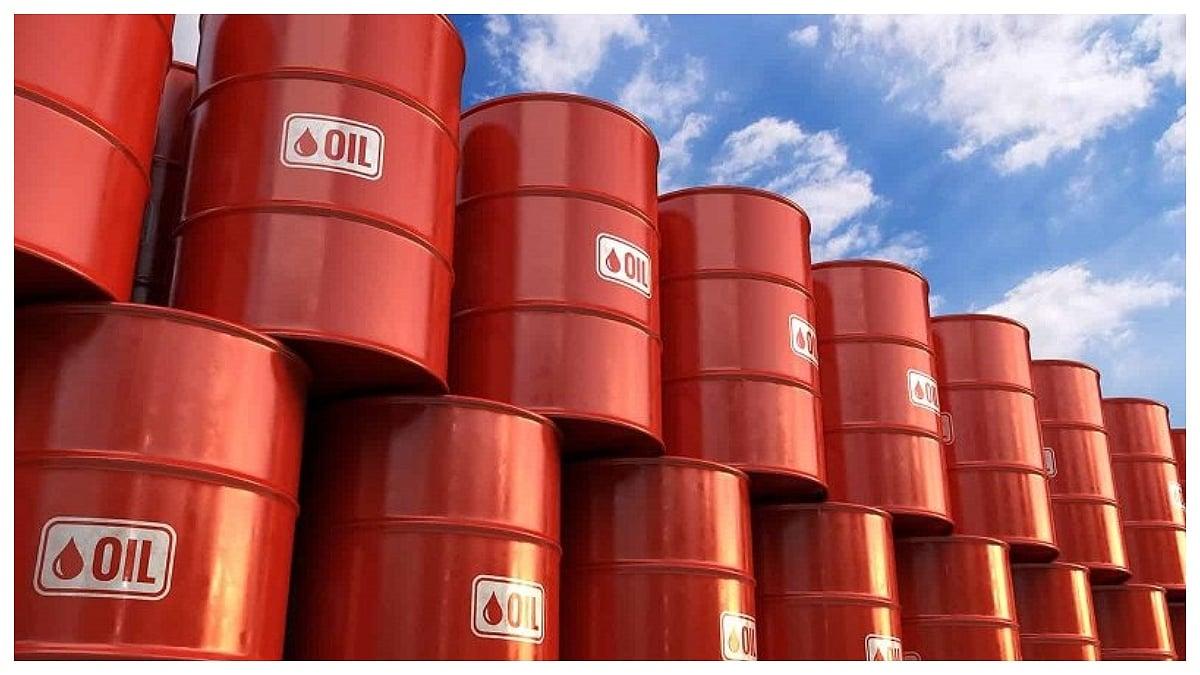
The report noted that the conflict has already pushed Brent crude prices up by around 9 per cent to nearly $80 per barrel, while global LNG prices have surged by about 50 per cent. However, India’s strong economic indicators — including robust foreign exchange reserves, low inflation and a current account deficit of just 0.8 per cent of GDP in the first half of FY26 — provide the country with the capacity to manage the impact of rising crude oil prices and maintain domestic energy security.
The ministry also highlighted positive economic developments, including recent trade agreements and consistent economic expansion over the past three years. On the back of these trends, India’s real GDP growth forecast has been upgraded to between 7.0 and 7.4 per cent for FY27.
While global factors such as trade dynamics, commodity prices and geopolitical tensions continue to influence the economic outlook, the report said India’s strong macroeconomic base and ongoing reforms position the economy well for sustained expansion.
According to the ministry, India’s external sector remains stable despite global trade uncertainty. Ongoing trade diplomacy — including progress on the India–EU Free Trade Agreement, the India–US interim trade arrangement and the India–Oman Comprehensive Economic Partnership Agreement — along with initiatives announced in the Union Budget to improve logistics, trade facilitation and export competitiveness, are expected to strengthen India’s export resilience and diversify trade destinations in the coming years.
The report also pointed to the escalation in the Middle East following US-Israel strikes on Iran on February 28, which reportedly killed Iran’s Supreme Leader Ali Khamenei. The developments have disrupted shipping through the critical Strait of Hormuz, through which nearly 20 per cent of the world’s oil supply passes.
The ministry warned that if the crisis continues for a prolonged period, it could affect India’s exchange rate and widen the current account deficit while adding inflationary pressures. Reduced capital flows and global financial uncertainty could also put pressure on the rupee. Sectors that rely heavily on crude oil and LNG, including fertilisers and petrochemicals, may face challenges if energy prices remain elevated.
However, the report said the policy framework outlined in the Union Budget 2026–27 provides a strong foundation for sustaining economic growth. The strategy focuses on fiscal consolidation while maintaining strong capital expenditure and targeted initiatives across manufacturing, agriculture, MSMEs, infrastructure and human capital development.
The Finance Ministry also noted that labour market conditions in India continue to improve, supported by better employment trends. Government initiatives aimed at skilling, workforce development and sector-specific employment programmes are expected to further increase labour participation and improve employability in the coming years.