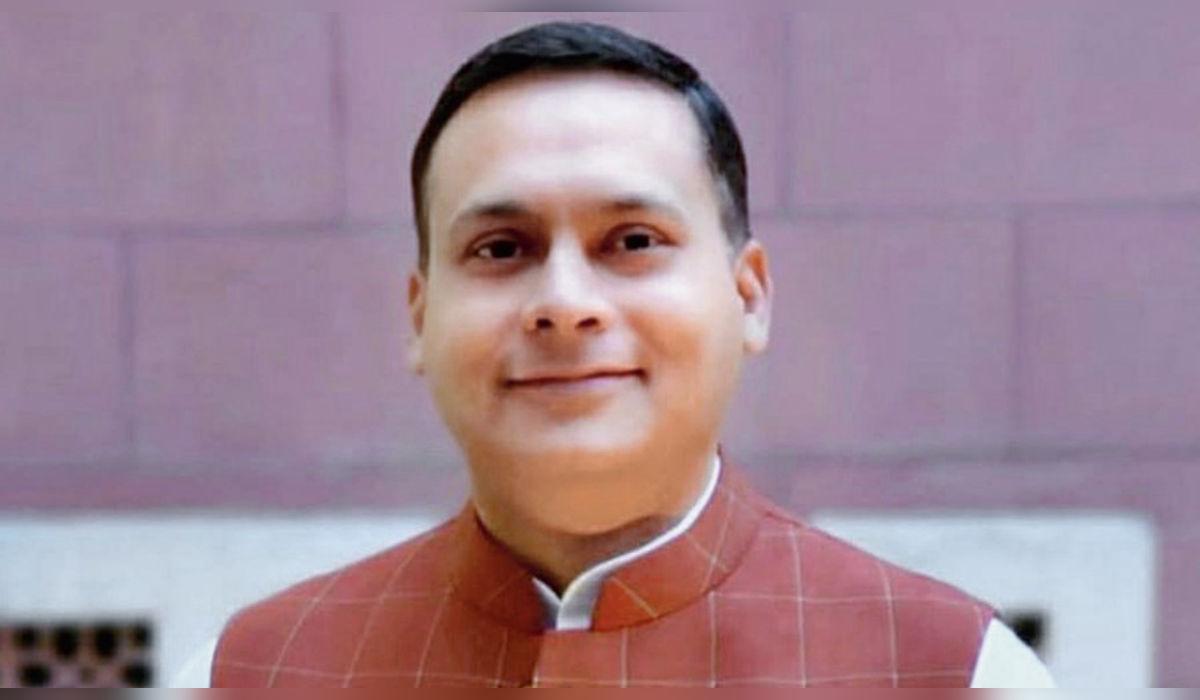
The Madras High Court on Wednesday set aside criminal proceedings initiated against BJP IT cell chief Amit Malviya over a social media post reacting to controversial remarks made by Tamil Nadu Deputy Chief Minister Udhayanidhi Stalin on Sanatan Dharma. In a sharply worded order, the court observed that the minister’s original speech itself crossed into the realm of hate speech, and responding to it could not be treated as a criminal offence.
Justice S. Srimathy, while allowing Malviya’s petition, ruled that his post—where he described Udhayanidhi’s 2023 speech as a call for genocide—did not attract any penal provisions. The judge held that Malviya’s reaction was rooted in his identity as a follower of Sanatan Dharma and could not be seen as an attempt to promote hatred or public disorder.
The case against Malviya had been registered by Tiruchirappalli police following a complaint filed by a lawyer associated with the ruling DMK. He was booked under multiple sections of the Indian Penal Code, including those dealing with promoting enmity between groups and causing public mischief.
The High Court questioned the selective application of law, noting that legal action appeared to have been taken only against individuals who reacted to the speech, while no proceedings were initiated against the person who made the original remarks. The judge remarked that when an alleged hate speech originates from a constitutional authority, the response to such speech cannot automatically be criminalised.
During the hearing, the court examined the language used in Udhayanidhi Stalin’s speech, particularly the Tamil word “ozhippu,” meaning “abolish.” Justice Srimathy observed that calling for the abolition of Sanatan Dharma could logically be interpreted as advocating the elimination of those who practise it, giving the speech an alarming connotation. The phrase “Sanatana Ozhippu,” the court noted, may reasonably be understood as a call for cultural or existential eradication.
The order also referred to an earlier ruling of the Madras High Court from March 2024, where similar remarks by Udhayanidhi had been categorised as hate speech. The judge reiterated that opposing or criticising such statements—especially without inciting violence—cannot be treated as unlawful conduct.
The court further took note of submissions pointing to the historical ideological opposition to Hindu traditions by the Dravidian movement, stating that Malviya’s post sought to question the implications of the minister’s words rather than provoke hostility.