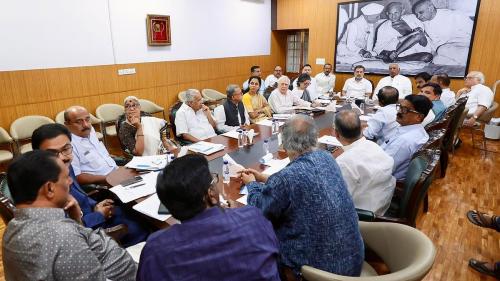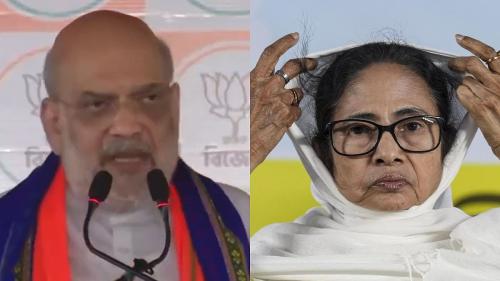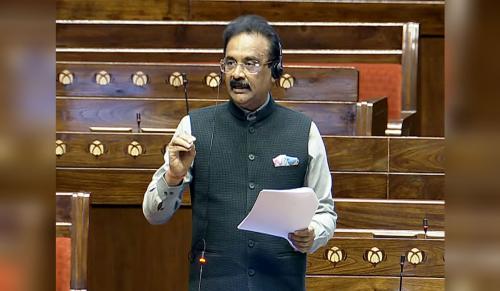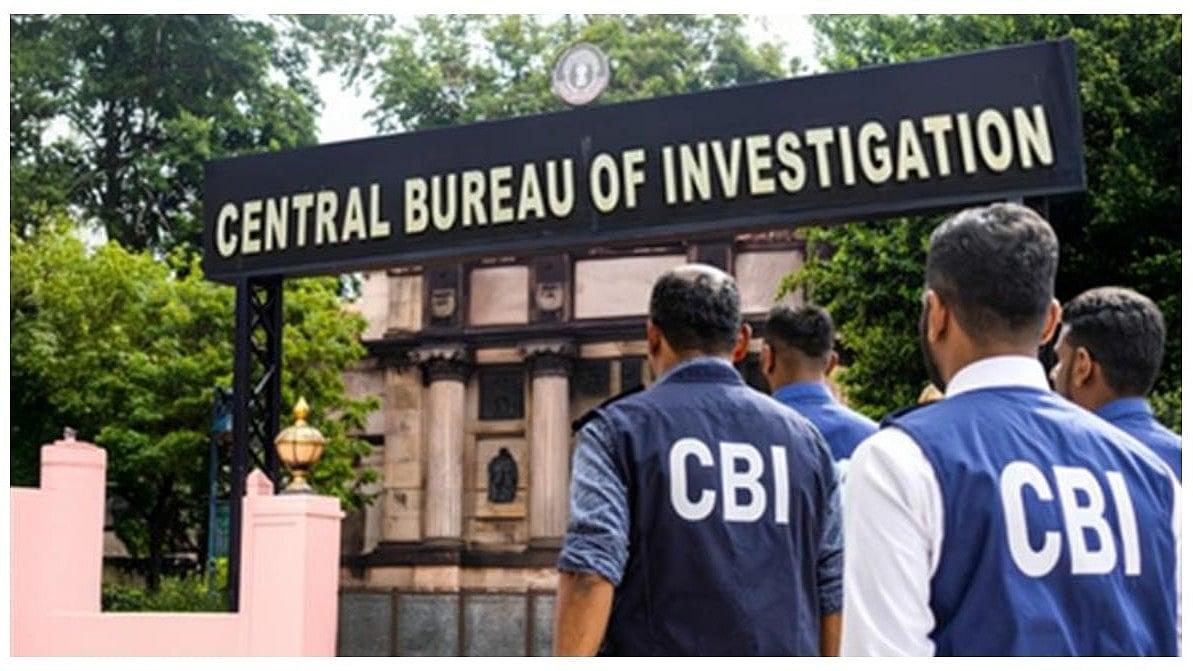
A major legal setback has hit the investigation into the Delhi excise policy matter after a city court discharged all 23 accused, including former Chief Minister Arvind Kejriwal and former Deputy Chief Minister Manish Sisodia. The ruling has triggered serious debate over the functioning of the Central Bureau of Investigation, which had led the probe.
The court’s order not only brought relief to the accused but also raised sharp questions about the quality and direction of the investigation.
Judge Finds No Criminal Plot
In a detailed decision, Special Judge Jitendra Singh concluded that the prosecution failed to establish any larger conspiracy or dishonest intention behind the now-scrapped liquor policy. The court observed that suspicion, however strong, cannot replace legally admissible evidence.
According to the ruling, the case presented by investigators appeared to be built more on assumptions than on verified facts. The judge pointed out inconsistencies in the chargesheet and noted that key allegations were not backed by solid documentary or material proof.
Evidence Gaps Highlighted
The court underlined that despite lengthy custody periods for some accused, investigators could not demonstrate a clear money trail or direct link connecting them to illegal gains. In particular, the order mentioned the absence of concrete evidence tying senior political figures to alleged wrongdoing.
The judgment stressed that personal liberty cannot be compromised merely on the basis of broad accusations without substantiation.
Concern Over Use of Witnesses
Another important aspect of the ruling involved the manner in which certain accused were turned into approvers. The court expressed discomfort over what it described as an attempt to strengthen weak claims by relying heavily on statements of individuals who had been granted conditional relief.
It cautioned that investigative agencies must not use such tactics to patch up shortcomings in evidence. The legal process, the court noted, demands independent corroboration rather than selective testimonies.
Questions on Investigative Approach
The court also expressed surprise over how certain individuals were positioned as key accused without sufficient material against them. Observing procedural lapses, it went a step further by recommending internal scrutiny of the officers associated with the case.
This rare move signals judicial concern over whether proper standards of investigation were followed.
Political and Legal Impact
The excise policy case had dominated headlines for months, with allegations of irregularities in the 2021-22 framework. However, with the discharge of all accused at this stage, the focus has now shifted to whether the investigating agency will challenge the order in a higher court.