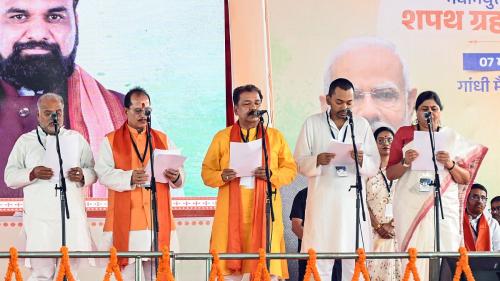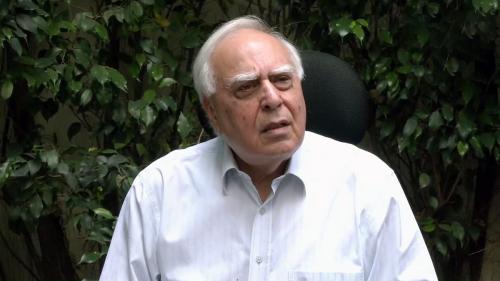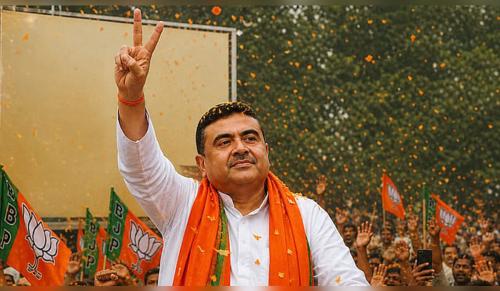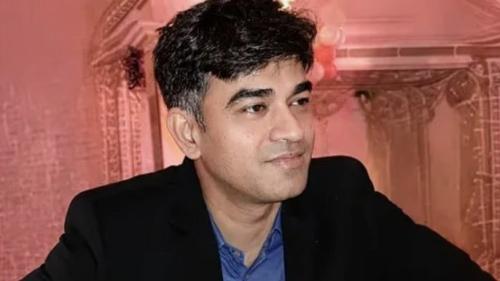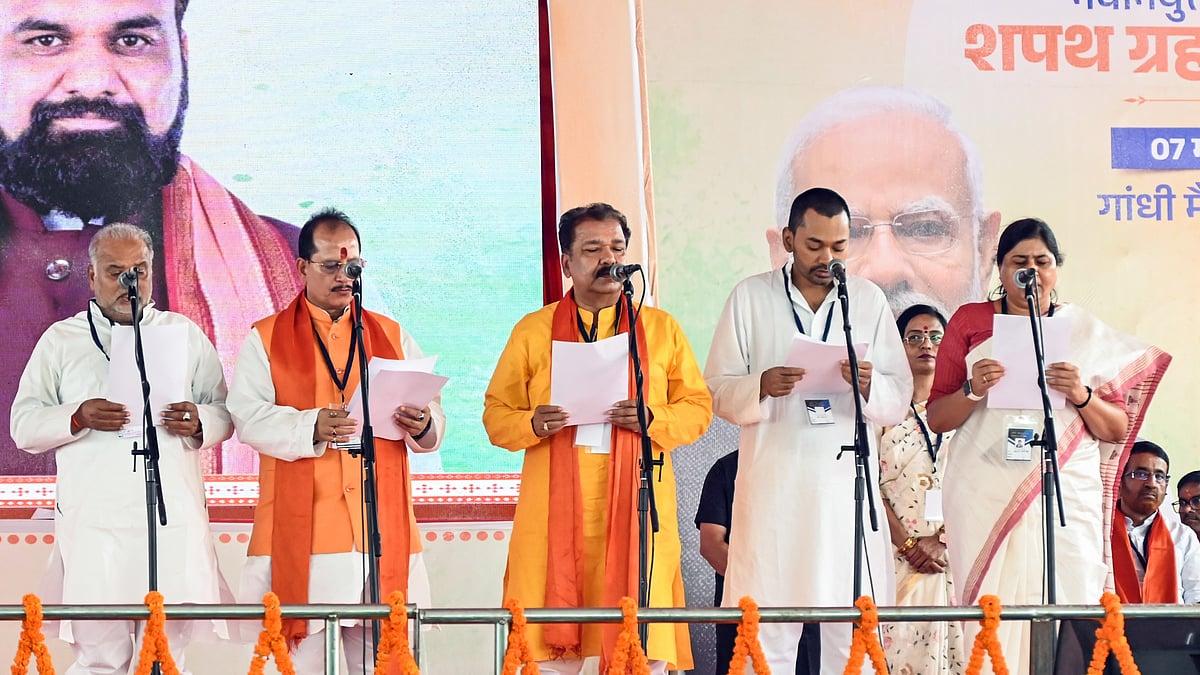
A major political reshuffle unfolded in Bihar on Thursday as 32 leaders from the ruling NDA alliance were sworn in as ministers in the expanded government led by Chief Minister Samrat Choudhary.
Among the biggest highlights of the cabinet expansion was the formal political entry of Nishant Kumar, son of former Bihar chief minister Nitish Kumar, who took oath as a minister for the first time.
Senior BJP leader Vijay Kumar Sinha, who earlier served as deputy chief minister in the Nitish Kumar-led government, was also inducted into the new council of ministers.
The cabinet expansion has drawn attention because it now includes sons of three former Bihar chief ministers. Alongside Nishant Kumar, ministers Santosh Kumar Suman, son of Jitan Ram Manjhi, and Nitish Mishra, son of former chief minister Jagannath Mishra, also became part of the cabinet.
Sources indicated that Nishant Kumar had initially declined the offer of becoming deputy chief minister but later agreed to join the cabinet after persuasion from senior JD(U) leaders, including Union Minister Rajiv Ranjan Singh, popularly known as Lalan Singh.
The expanded ministry includes 15 ministers from the BJP, 13 from JD(U), two from Lok Janshakti Party (Ram Vilas) and one each from Hindustani Awam Morcha and Rashtriya Lok Morcha.
Syed Ata Hasnain administered the oath of office to all ministers during the ceremony attended by senior NDA leaders.
With the latest expansion, the total strength of the Bihar cabinet has reached 35, just one short of the constitutional limit for the 243-member Assembly.
Several political veterans were notably left out of the new ministry. BJP leaders Mangal Pandey, Narayan Prasad and Surendra Mehta did not find a place in the cabinet. Party sources suggested Mangal Pandey could be assigned a larger organisational role at the national level.
The NDA also attempted to maintain caste and social balance in the ministry by giving representation to multiple communities. Leaders from Extremely Backward Classes, Dalit groups, OBC communities and upper castes were included in significant numbers.
The cabinet now has seven Dalit ministers and multiple representatives from the Kurmi-Koeri social bloc, while upper caste leaders including Rajputs, Bhumihars and Brahmins also secured strong representation.
Zama Khan emerged as the only Muslim face in the ministry, while four women ministers were also inducted into the cabinet.