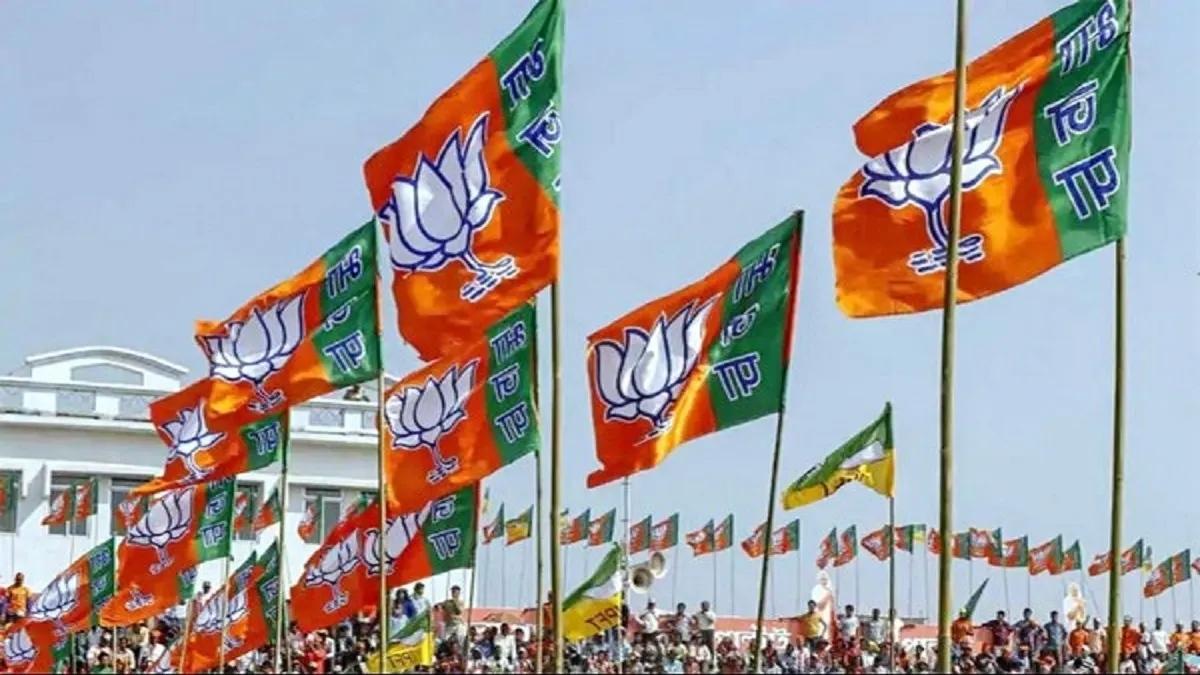
The Bharatiya Janata Party (BJP) has rolled out a nationwide awareness initiative aimed at countering what it claims is a deliberate misinformation campaign by opposition parties regarding the Special Intensive Revision (SIR) of electoral rolls. The party says the move is intended to reassure citizens and explain that the SIR process is rooted in established Election Commission guidelines and carried out with full transparency.
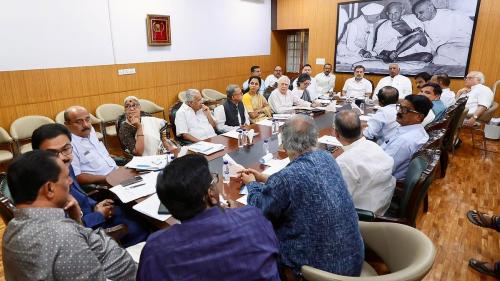
To supervise the outreach, the BJP has formed a central coordination group led by National General Secretary Tarun Chugh. The panel features senior leaders including K. Laxman, Alka Gurjar, O.P. Dhankhar, Rituraj Sinha, Anirban Ganguly and K. Annamalai. Their mandate is to craft communication strategies based on official data, feedback from local units and inputs from the ground.
Members of the committee have begun touring states where SIR is currently in progress, conducting workshops and training sessions for party cadres. The BJP is also intensifying booth-level engagement to ensure that workers can convey accurate information to voters and address doubts directly.
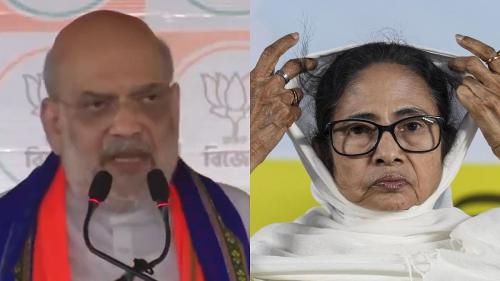
According to the party, opposition groups are trying to create confusion around the SIR exercise for political gain. Tarun Chugh has asserted that the BJP is “fully prepared” to challenge what it calls distortions and rumours. He has instructed workers to maintain close contact with voters and proactively explain the revision process to prevent apprehensions from spreading.
The party says its organisational network—stretching from state units to district committees and down to booth teams—is holding continuous meetings in regions undergoing electoral roll revisions. Leaders have pledged to respond across all platforms with verified documents, official facts and clear explanations to “present the real picture” of SIR.
The Election Commission of India is set to begin the second phase of the Special Intensive Revision in 12 states and Union Territories. The regions included in this round are Andaman and Nicobar Islands, Chhattisgarh, Goa, Gujarat, Kerala, Lakshadweep, Madhya Pradesh, Puducherry, Rajasthan, Tamil Nadu, Uttar Pradesh and West Bengal.