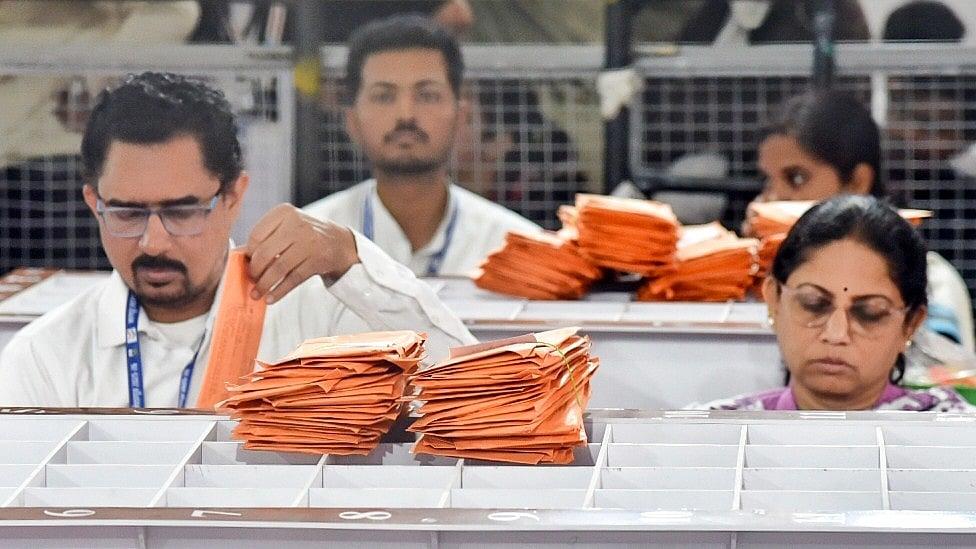
Counting of votes for the Maharashtra Zilla Parishad and Panchayat Samiti elections began on Tuesday morning across 12 districts, setting the stage for a clear political divide in the state’s rural power structure. The counting process started at 10 am under heavy security deployment, with police and election officials stationed at all counting centres to ensure a smooth and transparent process.
Early trends show the Bharatiya Janata Party establishing a decisive lead with 169 seats, emerging as the single largest party in the elections. In comparison, the opposition Maha Vikas Aghadi alliance has managed to secure 76 seats, reflecting a significant gap between the ruling and opposition forces in rural Maharashtra. Several other parties and independent candidates have also won seats, but their numbers remain limited.
The elections were conducted across 12 Zilla Parishads and 125 Panchayat Samitis, covering key districts including Pune, Satara, Sangli, Solapur, Kolhapur, Raigad, Ratnagiri, Sindhudurg, Chhatrapati Sambhajinagar, Parbhani, Dharashiv and Latur. These polls are being seen as a crucial test of political strength at the grassroots level.
Congress managed to register its first success in Sangli district, where Rishikesh Lad won the Palus Panchayat Samiti seat. This victory ended the party’s drought in the district’s rural bodies and added a symbolic boost for the opposition camp. Lad is closely associated with senior Congress leader Vishwajit Kadam, giving the win additional political relevance.
The scale of the elections underlined the importance of local governance in the state. A total of 731 Zilla Parishad seats and 1,462 Panchayat Samiti seats were contested. To conduct the exercise, the State Election Commission deployed around 1.28 lakh personnel and established 25,471 polling stations across the 12 districts.
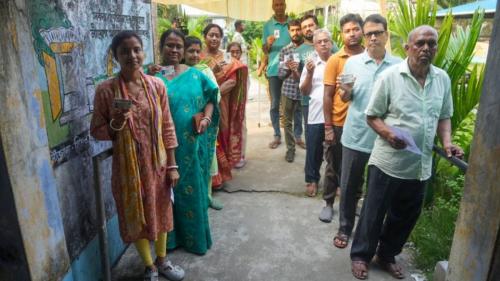
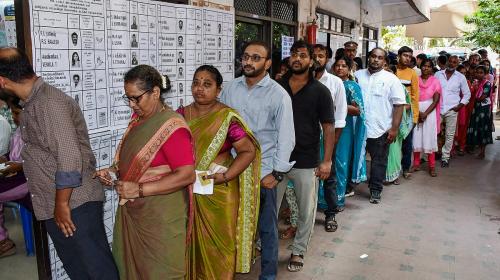
Voter participation remained strong, with over 2.08 crore eligible voters registered for the elections. This included nearly 1.06 crore male voters, 1.01 crore female voters, and voters from other categories. The overall voter turnout stood at 68.28 percent, indicating sustained interest in rural democratic processes.
Among all districts, Parbhani recorded the highest turnout at 74.89 percent, followed by Kolhapur at 74.45 percent and Chhatrapati Sambhajinagar at 72.69 percent. Political analysts believe the outcome of these elections will play a key role in shaping future electoral strategies, as rural Maharashtra once again demonstrates its influence on the state’s political direction.