As Gujarat faces intense and sustained monsoon rains, the widespread damage to roads and public infrastructure has brought state-level governance, planning, and contractor accountability into sharp focus. With roads across both urban and rural regions severely affected, the crisis has compelled the government to shift into emergency mode—an early stress test for Gujarat’s infrastructure preparedness and administrative responsiveness.
The state’s road network—spanning National Highways, State Highways, and Panchayat-administered local roads—is not only crucial for day-to-day connectivity but also central to economic continuity, disaster response, and public safety. The monsoon's toll has exposed underlying weaknesses in both material durability and the pace of repair mechanisms across Gujarat’s infrastructural ecosystem.
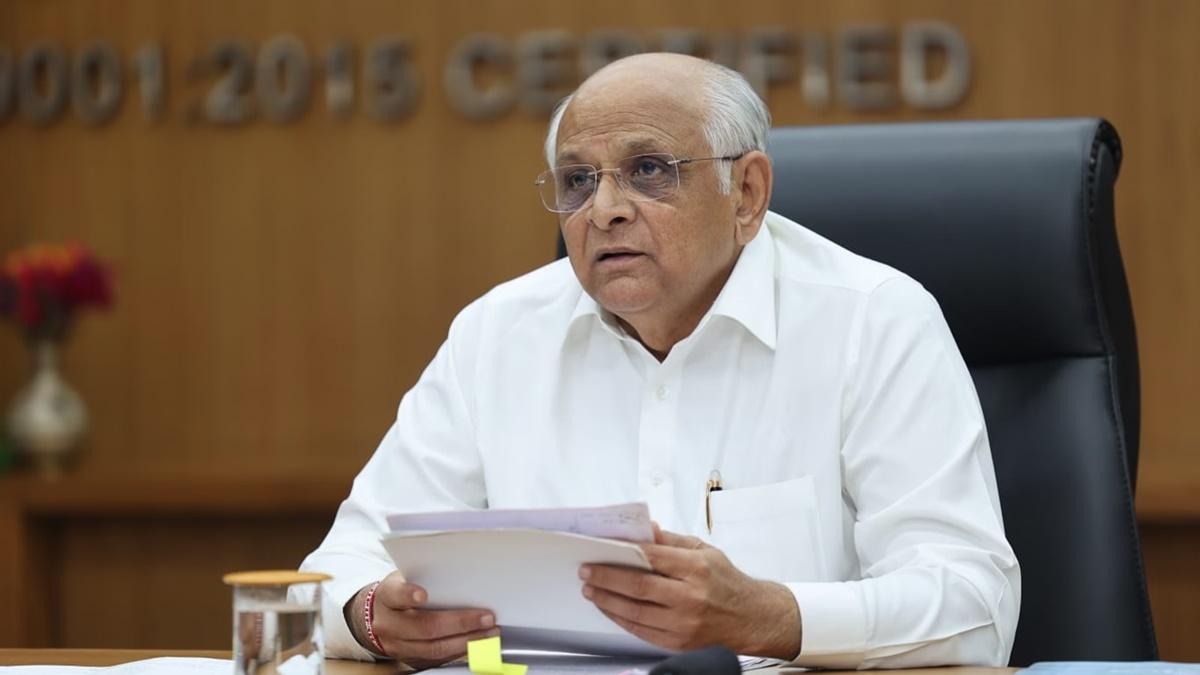
At the heart of the response strategy is a war-footing directive from Chief Minister Bhupendra Patel, who has ordered an immediate launch of repair and restoration efforts, without waiting for the rains to subside. This decision marks a shift from the conventional post-monsoon repair schedule to an urgency-driven approach that demands real-time action despite challenging weather conditions.
A high-level meeting convened in Gandhinagar brought together senior officials from the Road Construction Department, civic bodies, and National Highway Authority of India (NHAI), highlighting the scale of inter-agency collaboration required. Municipal commissioners joined via video conferencing, indicating an effort to decentralize decision-making and expedite local-level interventions.
Importantly, the Chief Minister emphasized using every available day—including weekends and public holidays—for repairs, highlighting the gravity of the disruption. This direction also reflects an acknowledgment that bureaucratic delays and conventional work cycles are incompatible with the pace required to address climate-driven emergencies.
The issue of contractor accountability also surfaced prominently. Repeated incidents of road degradation shortly after construction—often within the defect liability period—have raised serious concerns about the quality of materials used, inspection standards, and the rigor of contract enforcement. Patel’s insistence that such contractors be held responsible marks a potential tightening of oversight mechanisms, although whether this will translate into real penalties remains to be seen.
Simultaneously, the monsoon has highlighted chronic issues like urban flooding, underpass waterlogging, and drainage collapse—particularly in major cities such as Ahmedabad, Surat, and Vadodara. The state’s reliance on quick-fix solutions instead of long-term drainage and stormwater planning has been a recurring theme over successive monsoons.
The numbers presented during the review meeting offer a window into the administrative challenge. As of now, repair and structural work are active on 243 bridges across the state. Additionally, of the 83 km of National Highway damaged during this monsoon season, 58 km has been repaired, while the remaining 25 km is reportedly in progress. These figures indicate substantial ground-level activity, but they also reflect the scale of infrastructural vulnerability in the face of extreme weather.
This situation underscores the urgent need for a two-pronged approach: immediate repairs and long-term climate resilience. With climate change leading to more erratic and intense rainfall, infrastructure designed for past weather patterns may no longer be fit for purpose. Departments must not only respond to immediate failures but also integrate adaptive planning, improved materials, and modern engineering solutions to prevent annual breakdowns.