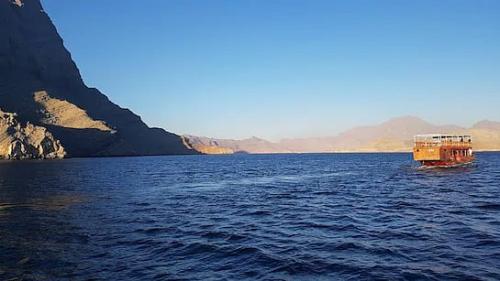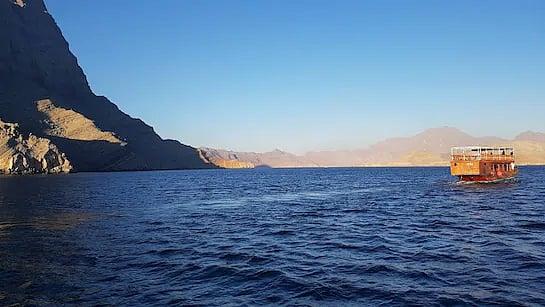
Around 20 commercial ships attempting to pass through the Strait of Hormuz were forced to reverse course toward Oman after Iran’s military announced renewed restrictions on the strategic waterway, sharply escalating tensions in one of the world’s most vital maritime trade routes.
According to reports, at least two merchant vessels came under gunfire while trying to cross the strait on Saturday, raising fears of a wider maritime crisis in the Gulf. The exact extent of the damage remains unclear, but the incident has already intensified concerns among shipping companies and governments dependent on the route for energy supplies.
The latest disruption has left hundreds of ships and nearly 20,000 seafarers stranded in Gulf waters, waiting for permission or safe conditions to transit through the narrow passage that connects the Persian Gulf with the Arabian Sea.
Although Iran’s Foreign Minister Abbas Araghchi said on Friday that the strait remained open for commercial tankers, developments on the ground suggest otherwise. Shipping movement remains heavily restricted, and many operators are unwilling to risk sending vessels through amid reports of gunfire and military enforcement.
The Strait of Hormuz handles a substantial portion of the world’s oil and gas shipments, making any interruption a serious concern for international markets. The forced retreat of vessels and the reported firing incidents have renewed fears of disruptions to global crude supplies and a possible spike in energy prices if the situation continues.
Efforts are now underway to prevent further escalation. According to sources, delegations from the United States and Iran are expected to hold talks on Monday in an attempt to ease tensions and restore maritime stability. However, Washington has not officially confirmed the meeting, leaving uncertainty over whether diplomatic efforts will proceed.
Adding to the uncertainty, US President Donald Trump has warned that the current ceasefire may not be extended if negotiations fail. His remarks have highlighted the fragile state of the truce and raised the possibility of renewed confrontation in the Gulf if diplomacy breaks down.
With vessels stranded, crews waiting at sea, and military tensions rising, the Strait of Hormuz has once again become the centre of a high-stakes geopolitical standoff. Any prolonged disruption in the waterway could have far-reaching consequences not only for the region but also for global trade and energy markets.