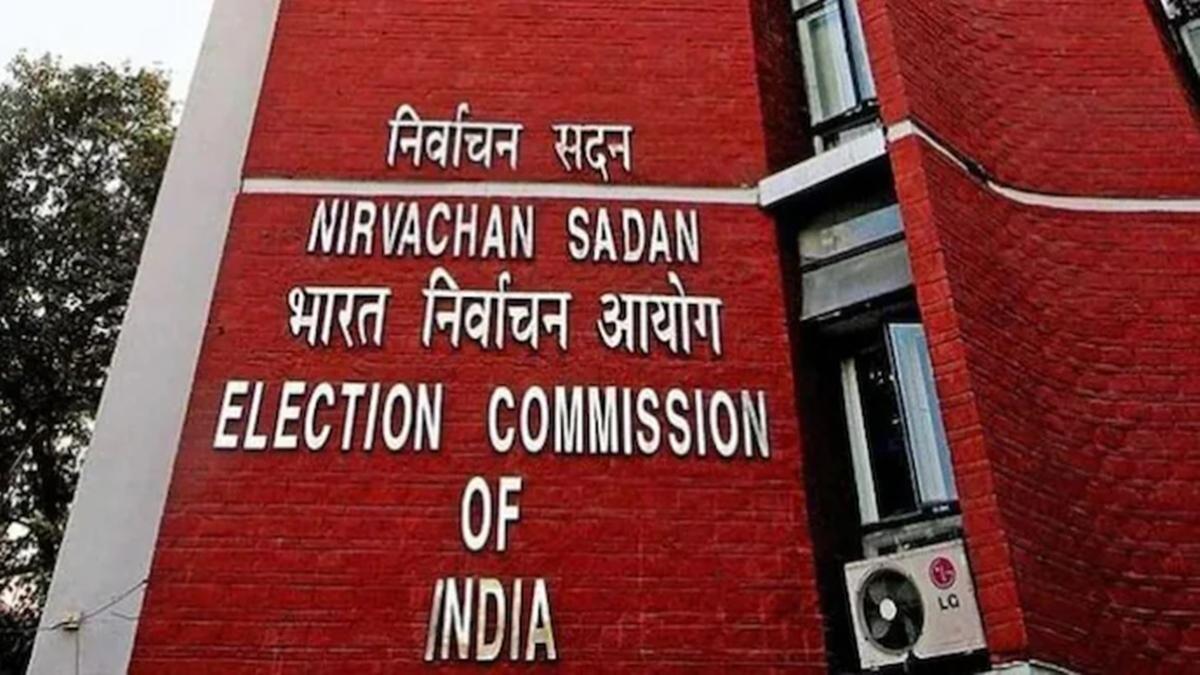
The Election Commission of India (ECI) has pushed back against demands to release CCTV and webcasting footage from polling stations, citing voter privacy concerns, even as Congress leader Rahul Gandhi launched a scathing attack, alleging attempts to destroy evidence and "fix" elections.
According to media reports quoting EC sources, the poll body clarified that such video data is strictly used for internal monitoring, is retained for 45 days, and is shared only with courts in cases of election petitions. The move, it said, aligns with existing legal provisions and Supreme Court guidelines.
ECI’s Stand
The Commission said that publishing or sharing CCTV/webcasting footage publicly could compromise voter anonymity and lead to pressure, discrimination, or intimidation. It also emphasized that the data retention policy helps prevent misuse of sensitive video content.
This clarification came just hours after Rahul Gandhi alleged that the EC was actively attempting to destroy election-related evidence, raising fresh doubts about the transparency of the recently concluded elections.
"Voter list? Will not provide machine-readable format. CCTV footage? It was hidden by changing the law. Photo-video of the election? Now, not in 1 year, we will destroy it in 45 days only.
The one from whom the answer was needed – is destroying the evidence. It is clear – the match is fixed. And a fixed election is poison for democracy," said Rahul Gandhi in a sharp post on X.
Gandhi also demanded that the Election Commission publish consolidated, digital, machine-readable voter rolls, including for the Maharashtra Assembly polls, as part of transparency reforms.
Privacy vs. Transparency Debate Deepens
This dispute adds fuel to the ongoing debate between electoral transparency and voter privacy, especially in an era where digital surveillance tools are increasingly used during elections. Civil society groups remain divided, with some calling for greater auditability, while others warn against voter profiling risks.