In a significant push for transparency and modernization, the Ministry of Minority Affairs is accelerating the nationwide implementation of the UMEED portal, which aims to digitize all registered Waqf properties in India. The government has set a six-month deadline for uploading complete data from across all states and union territories.
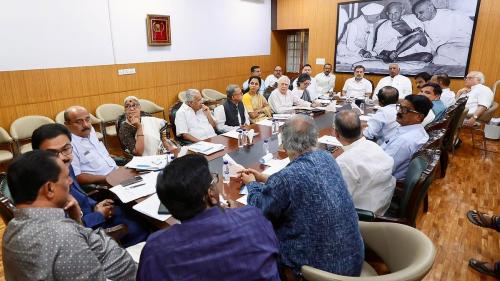
On Sunday, the ministry reaffirmed its commitment to the initiative, highlighting the ongoing engagement with state authorities to ensure a smooth and efficient rollout. As part of this effort, Minority Affairs Secretary Chandra Shekhar Kumar visited Mumbai on June 21 to review progress with senior officials and the Maharashtra State Waqf Board.
This was Kumar’s second regional visit in a week, following a similar review in Bihar. During the Mumbai meeting, he discussed rules that will soon be rolled out to support the statutory functioning of the UMEED platform. Kumar encouraged local authorities to actively participate and offer suggestions for better implementation.
The CEO of the Maharashtra Waqf Board raised concerns about the current leasing policies for Waqf properties, urging the Centre to make them more flexible. Kumar assured that the matter would be reviewed “sympathetically,” reiterating the Centre’s aim to empower Waqf Boards through policy support and digital infrastructure.
In addition to reviewing the UMEED rollout, the Secretary also evaluated the status of various projects under the Pradhan Mantri Jan Vikas Karyakram (PMJVK) in Maharashtra. He instructed state officials to submit all pending proposals within a week for timely action.
Kumar also held a review meeting with the Haj Committee of India, congratulating them on the successful and smooth conduct of Haj 2025. He highlighted that this year recorded the lowest number of deaths and health-related incidents among Indian pilgrims, attributing the achievement to seamless coordination between Indian and Saudi authorities, deputationists, and local support systems.
The Haj Suvidha App, a digital tool developed to assist pilgrims, was singled out for its significant role in easing travel, health, and logistical challenges.
Kumar stated that insights from Haj 2025 would be incorporated to improve the planning and execution of Haj 2026, ensuring a more comfortable and secure pilgrimage experience.
Launched on June 6, 2025, the UMEED (Unified Waqf Management, Empowerment, Efficiency and Development) portal is part of the government’s push for transparency and accountability in Waqf property management. The platform includes real-time uploading, geo-tagging, and monitoring tools, and aims to prevent mismanagement and illegal encroachment of Waqf assets.