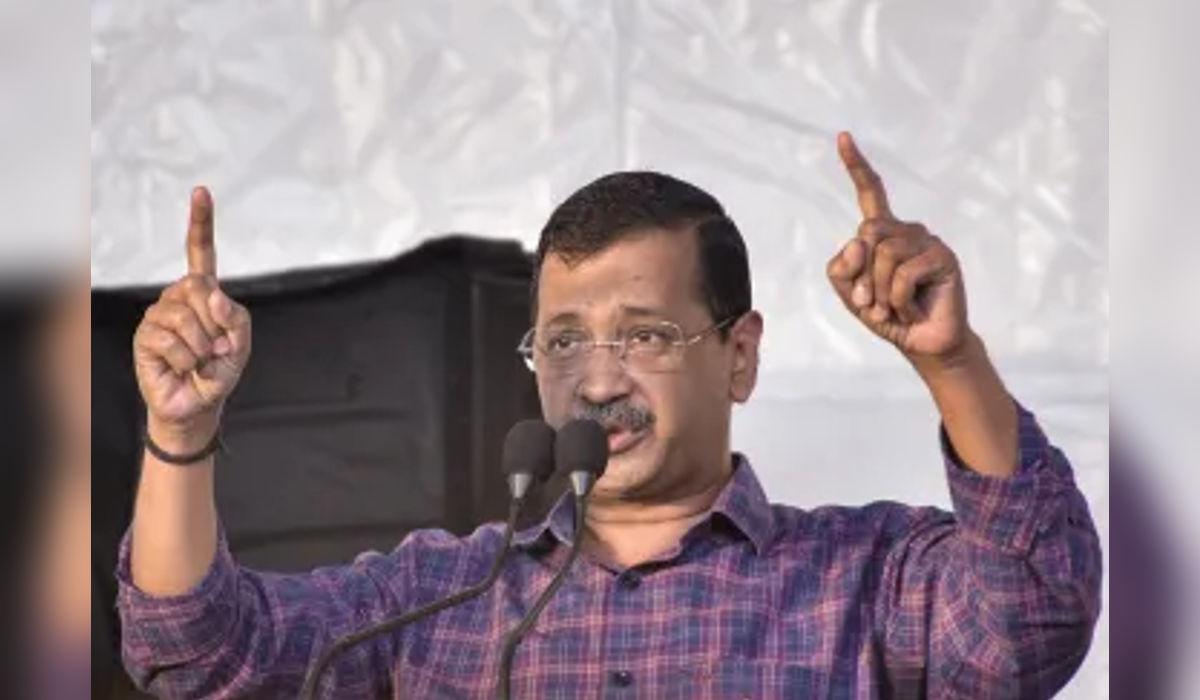
Former Delhi Chief Minister Arvind Kejriwal on Wednesday claimed that India is facing a severe shortage of LPG due to disruptions in global supply routes, particularly the closure of shipping through the Strait of Hormuz. Addressing a press conference, Kejriwal alleged that the country’s LPG availability has dropped drastically and blamed the ongoing Iran–Israel conflict for the crisis.
Kejriwal said that the daily production and availability of LPG in India has reduced by nearly 50 percent, creating a serious shortage for households as well as businesses. According to him, India depends heavily on imports to meet its LPG demand. He explained that about 60 percent of the LPG used in the country is imported, and nearly 90 percent of those imports pass through the Strait of Hormuz.
He claimed that the supply route has been disrupted due to the ongoing war in West Asia and that vessels passing through the region are now facing restrictions. According to Kejriwal, ships belonging to countries friendly to Iran are currently being allowed to cross the strait, which has affected supplies to several other nations including India.
“LPG is used to cook food in homes, restaurants and many other establishments. Because the supply route has stopped, nearly 50 to 55 percent of LPG supply in our country has been reduced,” Kejriwal said during the press conference.
The Aam Aadmi Party leader also criticised the foreign policy decisions of Prime Minister Narendra Modi, accusing the government of abandoning India’s traditional non-alignment approach. He argued that the Prime Minister’s meeting with Benjamin Netanyahu and his perceived support for Israel and the United States had worsened India’s diplomatic position in the region.
Kejriwal claimed that India’s long-standing foreign policy principle of non-alignment had been weakened in a short period of time. According to him, this shift has had direct consequences on India’s access to energy supplies during the ongoing geopolitical crisis.
The former Delhi Chief Minister also warned that the shortage is already affecting businesses across the country. He said that restaurants, hotels and other commercial establishments that rely heavily on LPG cylinders are facing immediate operational challenges.
Highlighting the situation in Mumbai, Kejriwal claimed that around 20 percent of hotels and restaurants have already shut down due to the shortage, while nearly half of the establishments could close within the next two days if supplies are not restored.
He added that the crisis is particularly worrying because it coincides with the peak wedding season in many parts of India. According to him, many families may be forced to postpone wedding ceremonies and other large events if LPG availability continues to remain low.
Kejriwal also raised concerns about black marketing of LPG cylinders. He alleged that the shortage has triggered illegal trading in the fuel, with cylinders being sold at much higher prices in the black market.
Referring again to the ongoing tensions in West Asia, Kejriwal said recent attacks on Iran by Israel and the United States have had a major impact on regional stability and energy supply routes. He warned that unless diplomatic efforts restore normal shipping through the Strait of Hormuz, India could continue to face serious disruptions in LPG availability.
The claims come amid growing concerns about the impact of the West Asia conflict on global energy supply chains, particularly for countries like India that rely heavily on imports for essential fuels.