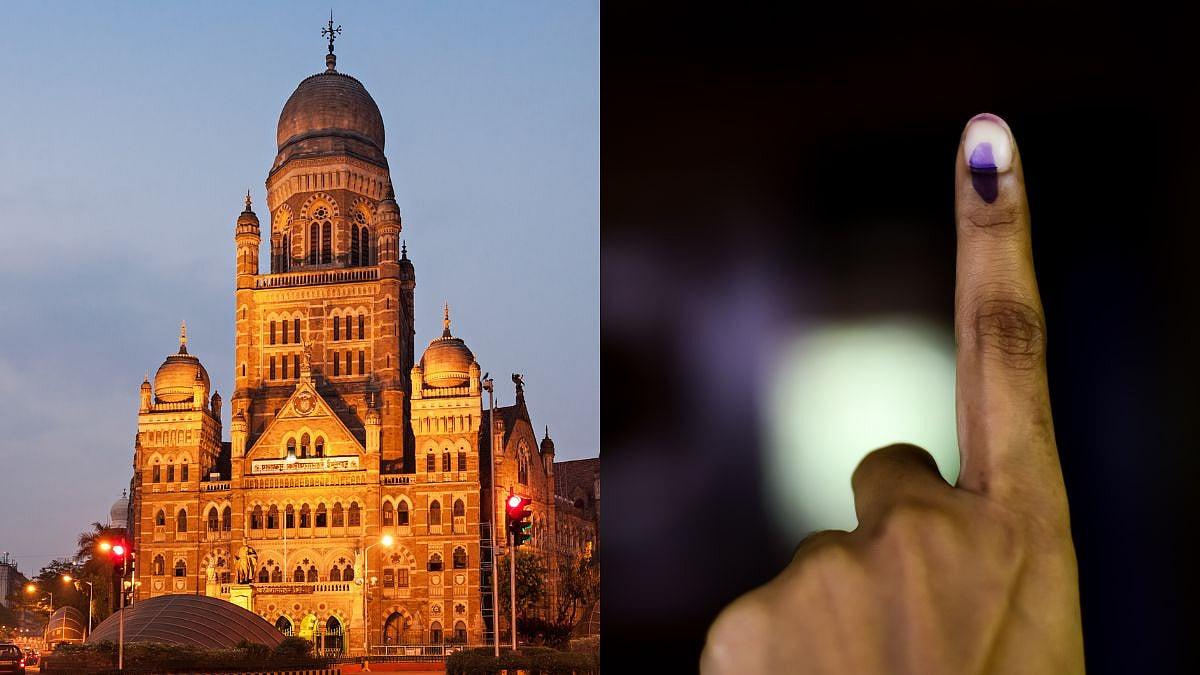
Mumbai is gearing up for a high-stakes battle as the Brihanmumbai Municipal Corporation (BMC) elections are expected to be announced imminently by the State Election Commission. Slated for 2026, these elections are set to determine control over India’s wealthiest civic body and could reshape the city’s political landscape.
Historically, the BMC has been dominated by the Shiv Sena, but the past two decades reveal shifting dynamics and the rise of formidable rivals like the BJP. The 2017 elections marked a turning point: the undivided Shiv Sena won 84 seats, narrowly maintaining its position as the largest party, while the BJP surged dramatically to 82 seats, signalling an intense rivalry that redefined Mumbai politics. The Congress lagged far behind with just 31 seats, highlighting the city’s tilt toward Sena-BJP competition.
Looking back further, the 2012 polls saw Shiv Sena secure 75 seats, with Congress at 52 and BJP at 31. In 2007, the Sena captured 84 seats, while Congress and BJP trailed with 75 and 28 seats respectively. The 2002 elections further reinforced Shiv Sena’s dominance with 97 seats, leaving Congress at 50 and BJP at 35. The party’s peak came in 1997 when it won 103 seats, demonstrating its deep-rooted organisational strength in Mumbai’s civic politics.
However, the political terrain for 2026 is unlike any previous election. The split in Shiv Sena, the emergence of rival factions, and the formation of the Mahayuti coalition have created an unpredictable environment. Analysts suggest that the upcoming election will not only test the traditional stronghold of the Sena but also gauge the electoral weight of the new alliances.
As the State Election Commission prepares to announce the official dates, political parties are already mobilising, making strategic alliances, and gearing up for an intense campaign.