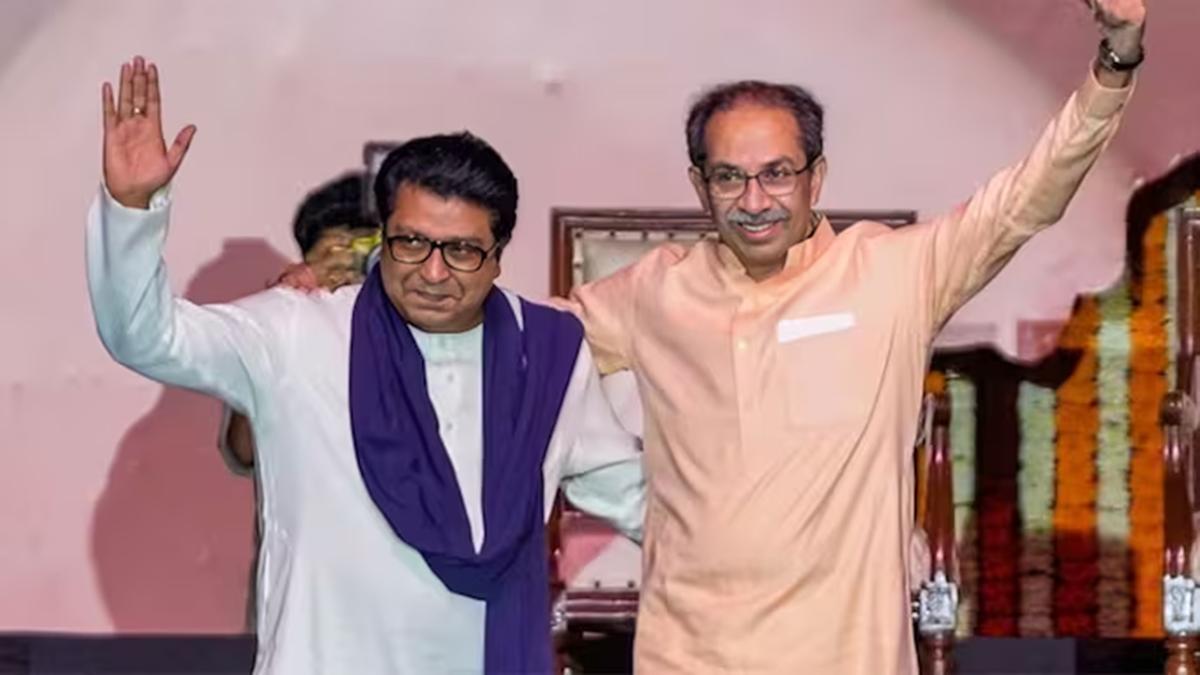
Mumbai is buzzing with anticipation as the Shiv Sena (UBT) prepares for its annual Dussehra rally at Shivaji Park, a tradition that has, since 1966, served not just as a festive spectacle but a barometer of Maharashtra’s political currents. This year, all eyes are fixed on a single, tantalising question: Will Uddhav Thackeray and Raj Thackeray step on stage together?
Such a reunion would be historic.
Recent months have only fueled curiosity. Their joint appearance in Worli last July, protesting Hindi imposition and pledging to protect Marathi interests, was a symbolic gesture, yet politically loaded. Their fourth meeting in September, described as “familial,” carried unmistakable undertones of strategy ahead of Mumbai’s crucial BMC elections.
Shiv Sena (UBT) MP Sanjay Raut has stoked the excitement further: “If both Thackerays come together, it’s a good sign for Maharashtra and Marathi people. Why would anyone object?” Meanwhile, MNS leader Avinash Abhyankar has urged caution: “Dussehra is a family get-together. We must respect party workers’ feelings.”
The stakes couldn’t be higher. The Brihanmumbai Municipal Corporation (BMC) elections—Mumbai’s 227 wards—are the litmus test for political dominance in the state. The Uddhav Sena is looking to reclaim influence from the Eknath Shinde-led Shiv Sena faction, while uncertainty lingers across the opposition Maha Vikas Aghadi (MVA).
Reports, suggest that even a symbolic show of unity between Uddhav and Raj Thackeray could dramatically reshape voter sentiment, consolidating the Marathi vote and potentially transforming their combined 55-plus Assembly seats into a formidable block against the BJP’s organisational machinery in Mumbai.
For now, Mumbai waits with bated breath. Will the Thackeray cousins bury old grievances and step onto the same stage, or will Dussehra pass with just the echoes of speculation? One thing is certain: the eyes of Maharashtra are on Shivaji Park, and whatever happens here could rewrite the city’s political script for years to come.