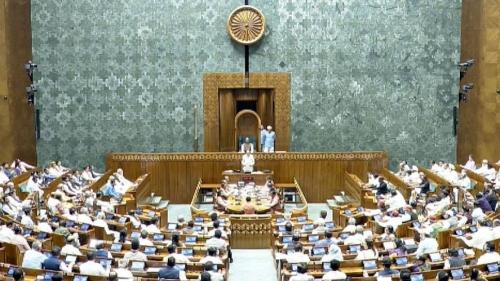
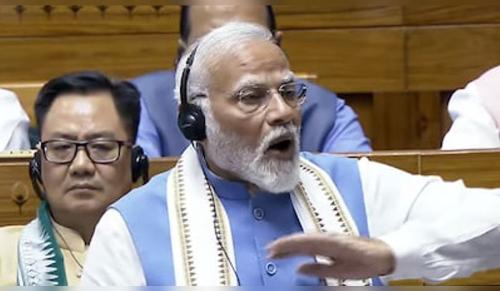
In a bold statement that highlights growing concerns over demographic changes in Jharkhand, BJP MP Nishikant Dubey has called attention to the issue of Bangladeshi intruders and their impact on the state's tribal population. Speaking in Parliament, Dubey pointed out that the population of tribals in Jharkhand has decreased from 36 percent to 26 percent, a trend he attributes to the influx of Bangladeshi nationals.
"Bangladeshi intruders are a big issue. The population of tribals is decreasing. I have said in the Parliament that the population has decreased from 36 percent to 26 percent. Hemant Soren, who talks about tribals, has no concern for the tribals," Dubey remarked. His statement underscores the frustration and concern among certain segments of the population regarding the state's changing demographics.
Dubey expressed gratitude to the Jharkhand High Court for taking suo motu cognizance of the matter and demanding an explanation from the government. "I am thankful to the High Court of Jharkhand, they have taken suo motu cognizance of it and have asked the government," he noted, highlighting the judicial system's proactive approach to addressing the issue.
The BJP MP further asserted his belief that the National Register of Citizens (NRC) would soon be implemented in Jharkhand to tackle the problem of illegal immigration. "I think that NRC will be soon implemented, and we will send back all the Bangladeshi intruders from here," Dubey declared, emphasizing the party's commitment to addressing illegal immigration.
Dubey also hinted at legislative measures that could be introduced if the BJP comes to power in Jharkhand. "If the Bharatiya Janata Party government is formed here, we will also make a law for this," he asserted, indicating a strong stance on the issue.
These statements by Dubey come at a time when the BJP is intensifying its focus on issues of national security and demographic changes, particularly in states like Jharkhand. The party has been vocal about the need for stringent measures to curb illegal immigration and protect the rights and livelihoods of indigenous populations.