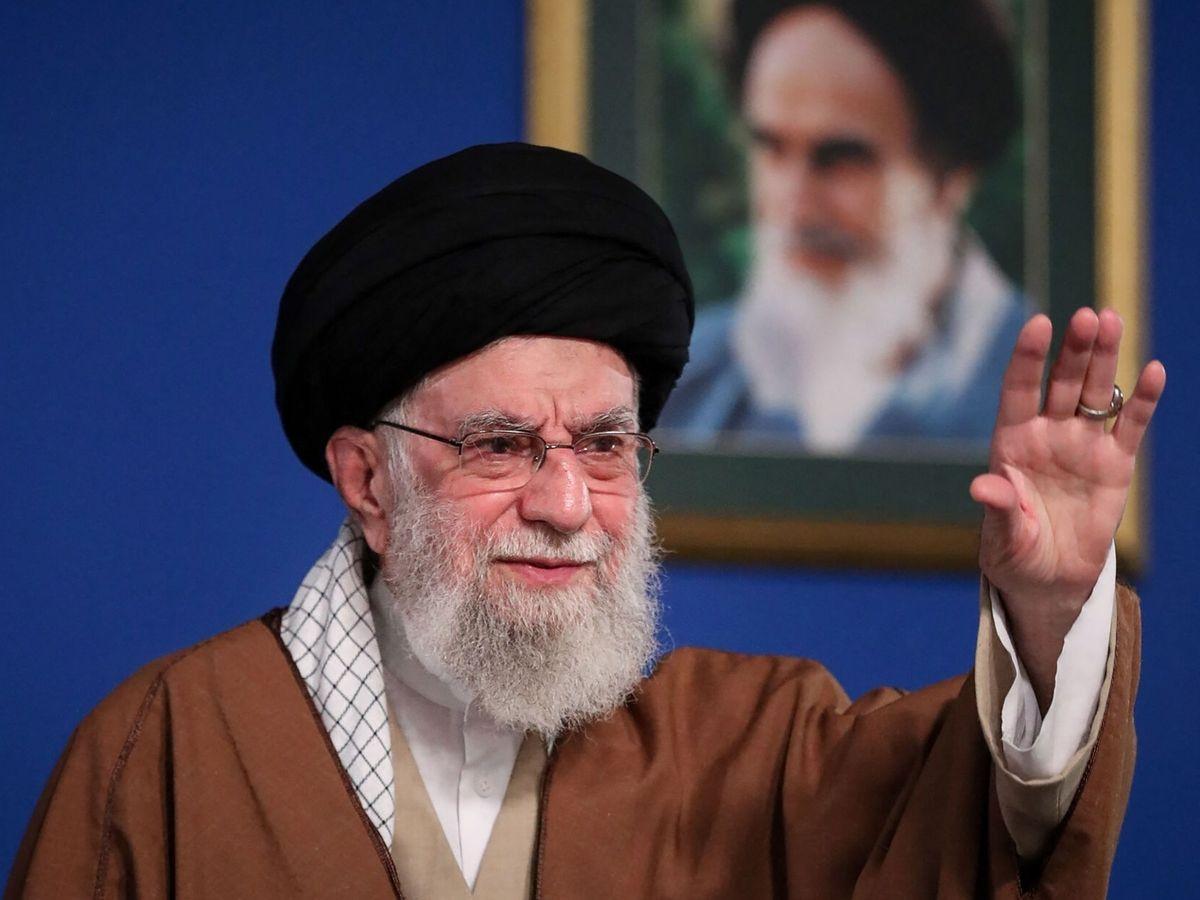
Iran is facing one of the most critical political transitions in its history following the reported death of Supreme Leader Ali Khamenei. With no officially named successor, the country’s powerful clerical establishment is now preparing for a high-stakes decision that will shape Iran’s political, military, and diplomatic future.
The Supreme Leader is the highest authority in Iran, holding control over the armed forces, judiciary, intelligence agencies, and key policy decisions. His death has created uncertainty inside the country and concern among global powers watching closely.
Top Contenders for Iran’s Highest Post
Several influential figures are being discussed as possible successors.
Mojtaba Khamenei
Mojtaba Khamenei, the second son of the late leader, is considered a strong insider candidate. Although he does not hold a prominent public office, he has maintained influence within security and religious circles. His close ties with Iran’s Revolutionary Guard make him a serious contender. However, critics argue that selecting him could create controversy over dynastic succession.
Gholam-Hossein Mohseni-Ejei
Current judiciary chief Gholam-Hossein Mohseni-Ejei is known for his hardline positions. He has served as intelligence minister and attorney general and is closely aligned with conservative factions. His appointment would likely signal policy continuity.
Muhammad Mehdi Mirbagheri
Muhammad Mehdi Mirbagheri is a senior conservative cleric with strong anti-Western views. He is influential within religious institutions and is considered a favorite among hardliners.
Hassan Khomeini
Hassan Khomeini, grandson of Islamic Revolution founder Ruhollah Khomeini, is viewed as a comparatively moderate option. His leadership could open limited space for diplomatic engagement, though resistance from hardliners remains possible.
Alireza Arafi
Alireza Arafi is a senior cleric and deputy chairman of the Assembly of Experts. While respected in religious circles, he is not considered a dominant political force.
How Iran Chooses Its Supreme Leader
The powerful Assembly of Experts, an 88-member body of clerics, is responsible for appointing the next Supreme Leader. Members are elected every eight years, though candidates must first be approved by the Guardian Council. The Assembly also has the authority to remove a leader, although that power has never been exercised.
If the selection process takes time, Iran’s constitution allows for a temporary leadership council. This council would include President Masoud Pezeshkian, the head of the judiciary, and a member of the Guardian Council chosen by the Expediency Council.
A Defining Moment for Iran
The decision on Iran’s next Supreme Leader will determine whether the country continues its current hardline policies or shifts toward a more moderate path. At a time of heightened regional tensions and global scrutiny, the outcome of this transition could significantly impact Middle Eastern geopolitics in the years ahead.