With just three days left before the United States imposes steep reciprocal tariffs on Indian exports, Congress leader Rahul Gandhi has launched a sharp attack on Prime Minister Narendra Modi, alleging that the government will “meekly surrender” to US pressure amid an unresolved trade standoff.
The criticism comes amid mounting uncertainty over a much-anticipated interim trade agreement between India and the United States. Despite ongoing high-level negotiations in Washington, a final deal remains elusive, raising the stakes for Indian exporters as the July 9 deadline nears.
Rahul Gandhi, now the Leader of the Opposition in the Lok Sabha, took to social media on Saturday to mock the Centre's position. “Piyush Goyal can beat his chest all he wants. Mark my words, Modi will meekly bow to the Trump tariff deadline,” Gandhi wrote, accusing the government of posturing while being unprepared to protect national interests.
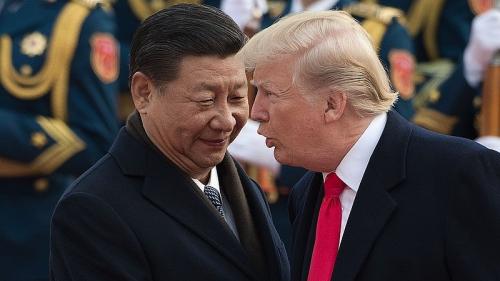
US President Donald Trump had earlier announced a 26% tariff on select Indian exports under his "Liberation Day Tariffs" policy, accusing India of unfair trade practices. Though implementation was deferred for 90 days to allow negotiations, the deadline is now looming without a clear resolution.
Union Commerce Minister Piyush Goyal, speaking at a business forum in Delhi, maintained that India would only sign an agreement if its core economic sectors — especially agriculture and dairy — are fully protected.
“India doesn’t sign trade deals under pressure or deadlines. It must be mutually beneficial. We are clear that our farm and dairy sectors, which support millions of livelihoods, are non-negotiable,” Goyal said.
Key points of disagreement include the US demand for reduced Indian tariffs on American agricultural goods like maize and soybeans, and access to India's vast dairy market. India, in turn, has sought better entry for its labour-intensive industries such as textiles, leather, jewellery, and chemicals.
Reports suggest that India’s negotiating team, led by Special Secretary Rajesh Agarwal, has extended its stay in Washington in a final push to salvage the agreement before tariffs take effect.
If the deal falls through, Indian exporters could face significant losses, particularly in sectors like automotive components, metal goods, and certain chemicals — all now under the threat of 26% US import duties.
The deadlock has turned political, with opposition leaders accusing the Modi government of lacking strategy and foresight in handling bilateral trade matters with the US.