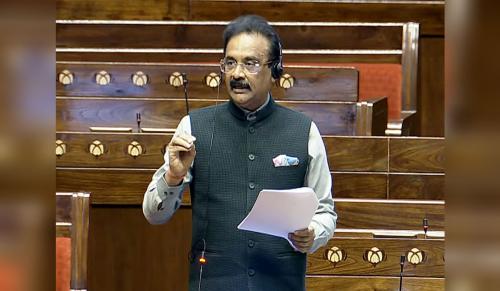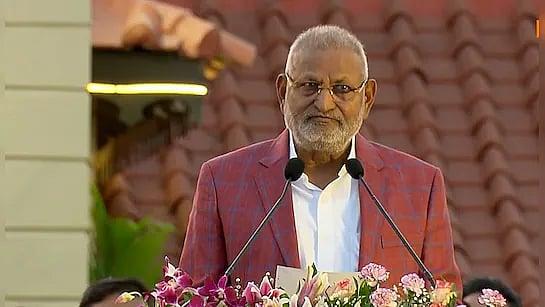
Political and legal circles in Maharashtra are abuzz with speculation after senior state minister Manikrao Kokate reportedly became unreachable amid rapidly intensifying legal pressure following his conviction in the 1995 flat allotment scam. With court proceedings moving swiftly, sources indicate that Kokate’s arrest may be only a matter of time.
According to lawyers associated with the case, Kokate failed to appear before the sessions court after the verdict, despite being legally bound to do so. His absence has triggered fresh legal action aimed at preventing any further delay or misuse of procedural safeguards.
Advocate Ashutosh Rathod, appearing for the complainant, said the law is clear once a conviction is pronounced. “After the judgment, the accused is required to surrender the bail bond and remain present before the court. In this case, that was deliberately not done. We have moved the court seeking strict action to ensure the legal process is not undermined,” he said.
The sessions court has taken note of the application and has already questioned the circumstances that made such intervention necessary. Legal experts tracking the matter say that under the provisions of the Criminal Procedure Code, arrest after conviction is not discretionary but procedural. Rathod pointed out that once guilt is established, custody becomes inevitable. “The process has already begun. This is not a symbolic step; arrest is unavoidable in such cases,” he added.
The issue has also reached the Bombay High Court, where the complainant’s side has urged strict enforcement of the law. Rathod revealed that the High Court was approached with a clear demand that Kokate be present at the time of the verdict. He further argued that the gravity of the conviction warrants immediate political accountability, including the minister stepping down from office.
The case itself dates back nearly three decades. In 1995, former minister Tukaram Dighole accused Manikrao Kokate and his brother of cheating and forgery to obtain flats under the chief minister’s discretionary quota. The prosecution maintained that the brothers falsely claimed low-income status and denied owning any property, allegations later supported by evidence pointing to forged documents.
Although Kokate has challenged the conviction, the sessions court upheld the sentence, offering only limited relief by cancelling the order directing the return of the flats to MHADA. While he has a one-month window to approach the Bombay High Court, legal experts say this does little to shield him from immediate custodial action.