In a major development in the 26/11 Mumbai terror attacks case, the National Investigation Agency (NIA) on Friday began interrogating Tahawwur Hussain Rana — a Pakistani-origin Canadian businessman and key conspirator extradited from the United States. The agency hopes to finally uncover the full extent of the deadly plot that shook India in 2008.
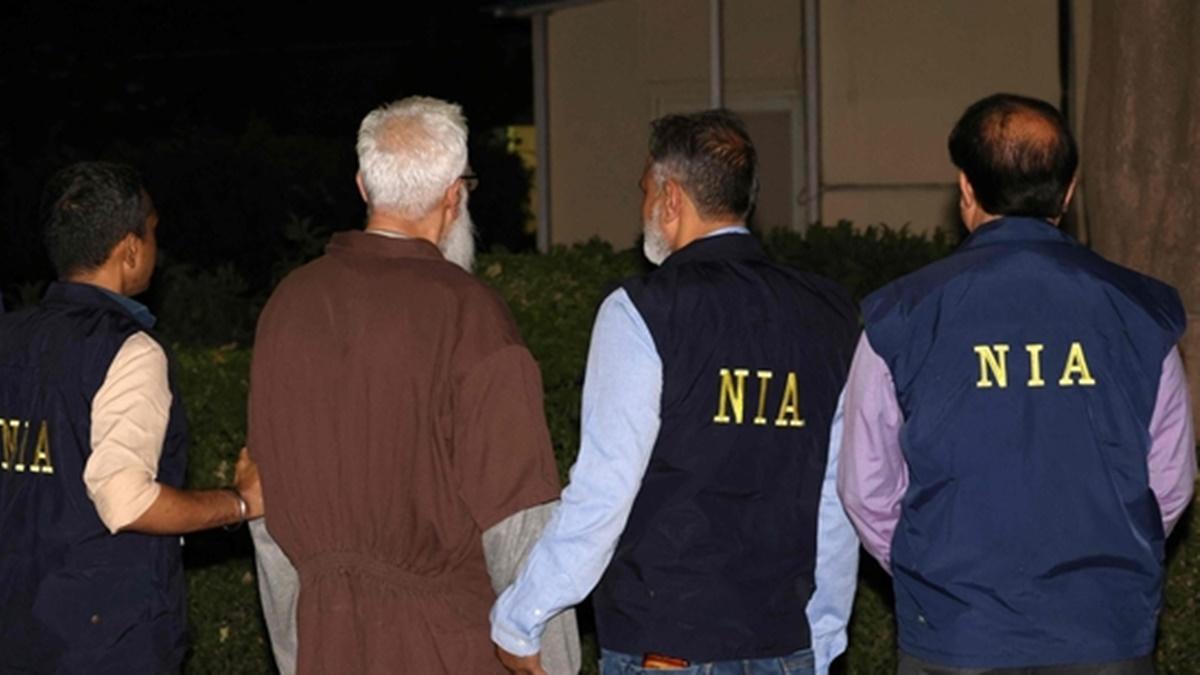
Rana, 64, a close aide of David Coleman Headley (alias Daood Gilani), arrived in India on Thursday under tight security and was formally arrested by the NIA upon his landing at Indira Gandhi International Airport. A Delhi court later granted the agency 18 days' custody to interrogate him in connection with his alleged role in orchestrating the attacks.
High-Security Transfer and Court Proceedings
Rana was brought to the Patiala House Court in a convoy that included a jail van, armoured SWAT vehicle, and an ambulance. Inside the courtroom, when asked if he had legal representation, Rana informed the judge that he didn’t. The court then appointed a lawyer for him through the Delhi Legal Services Authority.
After the hearing, the accused was whisked away to the NIA headquarters at the CGO Complex under heavy security cover, including Delhi Police SWAT teams. He is being held in a specially secured cell inside the agency’s premises, sources told PTI.
Uncovering the Bigger Picture
The NIA, in its plea before the court, emphasized that Rana's custodial interrogation is crucial for exposing the broader conspiracy and identifying all individuals and networks involved in planning the 26/11 attacks. According to officials, Rana’s role goes beyond that of a facilitator — investigators believe he was actively involved in strategizing alongside Headley.
Facing the Gravest of Charges
Rana is facing multiple serious charges including waging war against India, murder, criminal conspiracy, and terrorism under sections 120B, 121, 121A, 302, 468, and 471 of the Indian Penal Code, as well as sections 18 and 20 of the Unlawful Activities (Prevention) Act (UAPA). Many of these offences carry the death penalty.
However, under the extradition treaty terms with the United States, he can only be tried for those specific charges that are recognized as crimes in both jurisdictions and were part of the formal extradition request.
A Long-Awaited Break in the Case
Rana’s extradition marks a significant moment in India’s pursuit of justice for the 166 lives lost during the coordinated terrorist attacks in Mumbai that targeted the Taj Mahal Palace Hotel, CST railway station, and other key locations.
For years, Rana had been in US custody, fighting extradition on legal grounds. His arrival in India now provides investigators with a long-awaited opportunity to extract crucial intelligence about the terror network behind one of the deadliest attacks in Indian history.

.jpg)