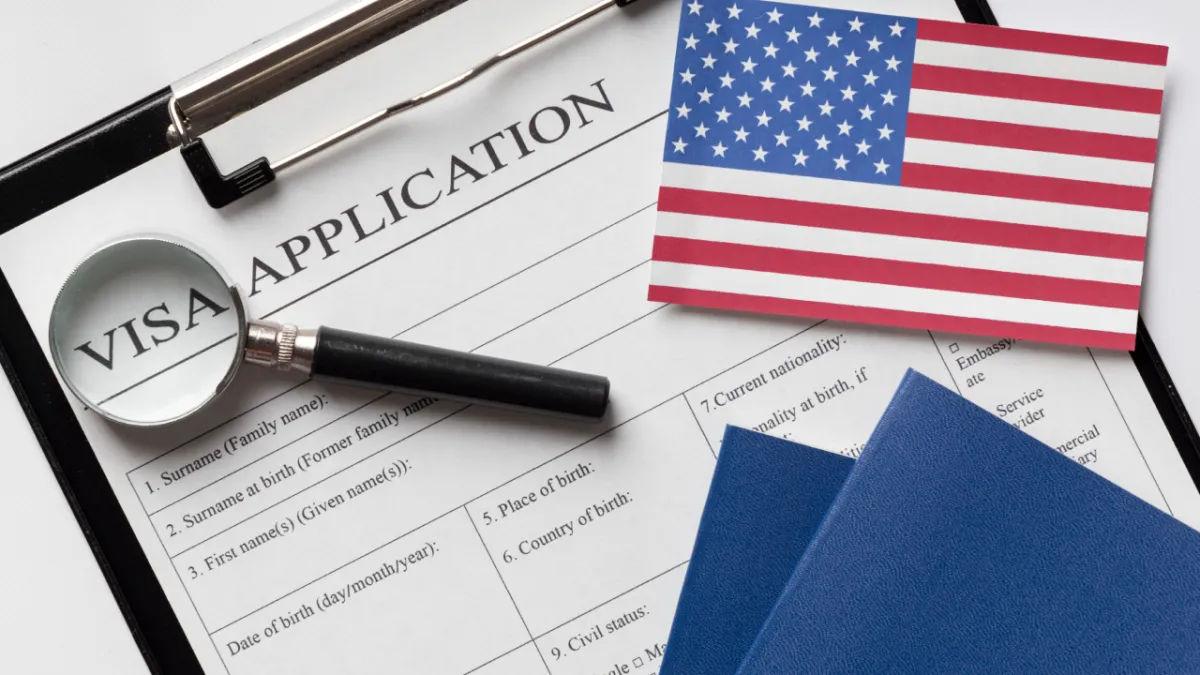
In a major shake-up of the H-1B work visa programme, the United States has decided to scrap the decades-old lottery system and replace it with a selection model that prioritises skills and salary levels. The move marks a significant shift in how foreign professionals will be chosen for one of the most sought-after US work visas.
Under the new framework announced by the US Department of Homeland Security (DHS), H-1B visas will no longer be distributed through random draws. Instead, applications will be ranked, with preference given to foreign workers who possess higher skills and are offered higher wages. US officials say the change is aimed at ensuring that the visa programme truly serves its original purpose—attracting top global talent without undercutting American workers.
The decision carries special importance for Indian professionals, who form the largest share of H-1B visa holders each year, particularly in the technology, engineering, and healthcare sectors. The updated rules also come amid tighter scrutiny of employment-based visas, as US authorities step up efforts to curb misuse and strengthen compliance.
US Citizenship and Immigration Services (USCIS) spokesperson Matthew Tragesser said the lottery system had become vulnerable to manipulation. According to him, some employers allegedly used the random selection process to flood the system with multiple low-wage applications, reducing opportunities for higher-skilled roles and impacting wage standards in the US job market.
“The revised selection method aligns more closely with what lawmakers originally intended for the H-1B programme,” Tragesser said, adding that companies will now be encouraged to recruit highly qualified professionals for well-paid positions.
Officials from the DHS noted that the earlier lottery-based approach had long faced criticism for allowing a surge in low-wage applications. They argued that this trend weakened wage growth and limited job prospects for American workers. By shifting to a weighted selection model, the government believes it can strike a better balance between attracting global talent and protecting domestic employment.
Under the new system, employers can still apply across different wage levels, but applications tied to advanced skills and higher salaries will enjoy a clear advantage. The revised rules are scheduled to take effect on February 27, 2026, and will apply to the FY 2027 H-1B cap registration cycle.
Currently, the US grants 65,000 H-1B visas annually, along with an additional 20,000 reserved for candidates holding advanced degrees from US universities. The DHS said the latest change is part of a broader set of immigration reforms under the Trump administration, which also include stricter eligibility norms and sharply increased visa-related fees.