In a significant move aimed at revamping rural employment and infrastructure, Parliament on Friday passed a bill replacing the long-standing Mahatma Gandhi National Rural Employment Guarantee Act (MGNREGA) with the new Viksit Bharat Guarantee for Employment and Livelihood Mission Gramin (VB-G RAM G).
The government described the new scheme as a modernized and more flexible approach to rural work, focusing on targeted employment, skill development, and better management of resources. Union ministers emphasized that VB-G RAM G will leverage technology and local planning to ensure efficient work allocation while continuing to support rural livelihoods.
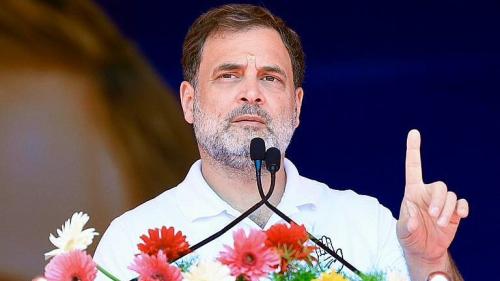
While MGNREGA has long been praised for providing guaranteed employment and reinforcing rural infrastructure, critics, including Congress leader and Lok Sabha Leader of Opposition Rahul Gandhi, expressed concerns about the transition. Gandhi argued that VB-G RAM G could limit rural workers’ bargaining power, especially among women, Dalits, Adivasis, and marginalized communities, and said the Opposition was not given adequate time for review.
Supporters of the government, however, stress that VB-G RAM G is designed to address some of the operational challenges of MGNREGA, including delays in wage payments, lack of project oversight, and uneven resource allocation. The new system aims to introduce greater accountability and reduce dependence on centralized control, while still providing employment opportunities for rural households.
Government officials have stated that the scheme will continue to prioritize vulnerable communities and women workers, with an emphasis on sustainable development, rural infrastructure creation, and long-term livelihood security. They argue that VB-G RAM G represents a step toward a more structured, technology-driven, and outcome-focused rural employment system.