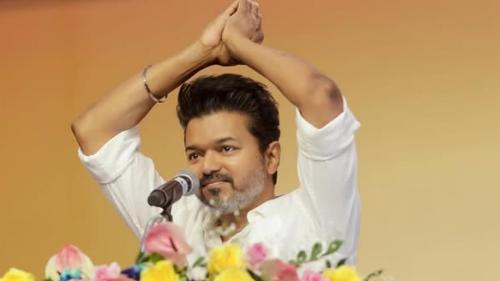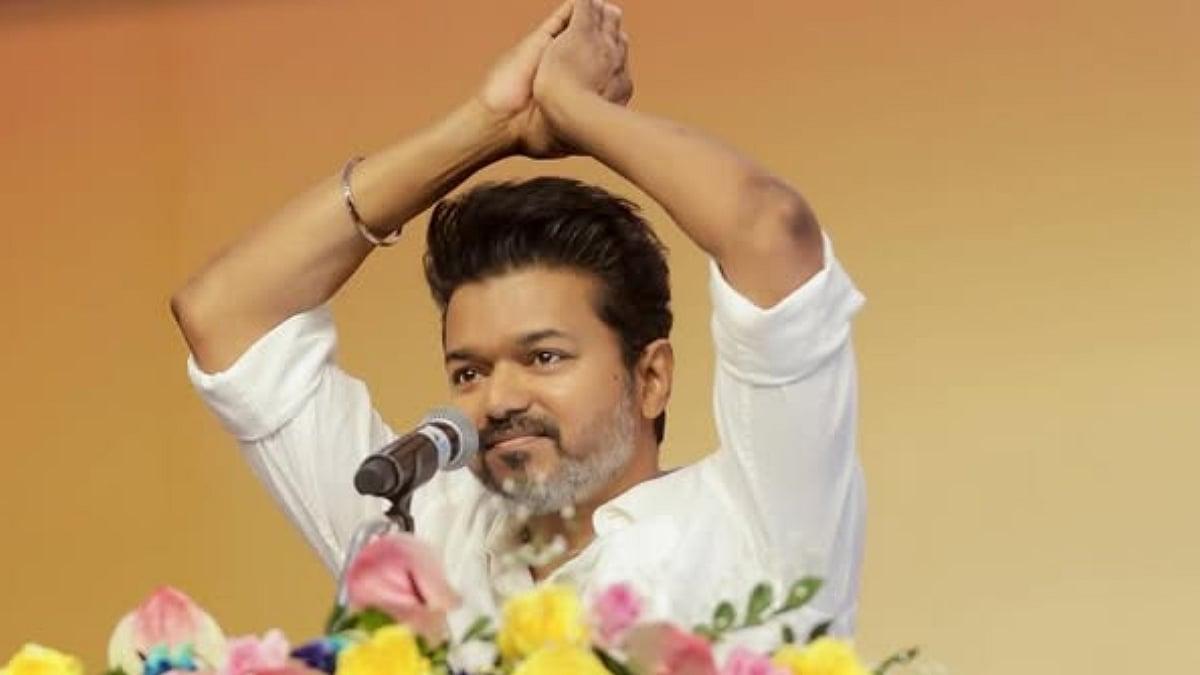
The stunning electoral surge of actor-turned-politician Vijay has pushed Tamil Nadu into an unprecedented political crisis, with his party Tamilaga Vettri Kazhagam emerging as a dominant force but still falling short of forming a government on its own.
TVK’s breakthrough performance has dramatically shaken the long-standing dominance of the Dravida Munnetra Kazhagam and the All India Anna Dravida Munnetra Kazhagam. However, despite winning 108 seats in the 234-member Assembly, the party remains 10 seats away from the crucial majority mark of 118, leaving the state trapped in political uncertainty.
The situation intensified after Governor Rajendra Vishwanath Arlekar reportedly made it clear that no party would be invited to form the government unless it could demonstrate majority support inside the Assembly.
Amid the deadlock, discussions within TVK circles have reportedly shifted toward an extreme political option — the resignation of all 108 MLAs. Such a dramatic move could potentially destabilise the Assembly and prevent rival formations from taking power without a clear mandate.
If these resignations were to happen, the effective strength of the House would sharply decline. While the strategy is intended to block opponents from forming the government, it could also produce an unexpected outcome. With the Assembly’s numbers reduced, the majority requirement would also fall significantly, potentially allowing smaller alliances to legally claim power with fewer legislators.
The constitutional implications of such a move could be enormous. A mass resignation involving nearly half the Assembly could trigger questions over whether the state still has a functioning and representative legislature. This may open the door for recommendations under Article 356, potentially placing Tamil Nadu under President’s Rule if authorities conclude that constitutional governance cannot continue normally.
At the same time, the plan faces serious procedural barriers. Under Assembly rules, every MLA resignation must be submitted personally and verified by the Speaker to ensure it is voluntary. If doubts arise over whether the resignations are part of a coordinated political tactic, the Speaker could delay or scrutinise the process, setting the stage for an intense legal confrontation in court.
Political observers also believe such a move could eventually force massive by-elections across more than 100 constituencies, effectively turning the crisis into a fresh public referendum on Vijay’s political future and leadership.
While supporters may see the strategy as a bold attempt to secure a stronger mandate, critics are expected to portray it as a risky gamble that could disrupt governance and leave the state administration paralysed for months.
With no clear resolution in sight, Tamil Nadu now faces one of its most unpredictable political moments in recent history, as Vijay’s rise from cinema icon to major political challenger enters its toughest test yet.