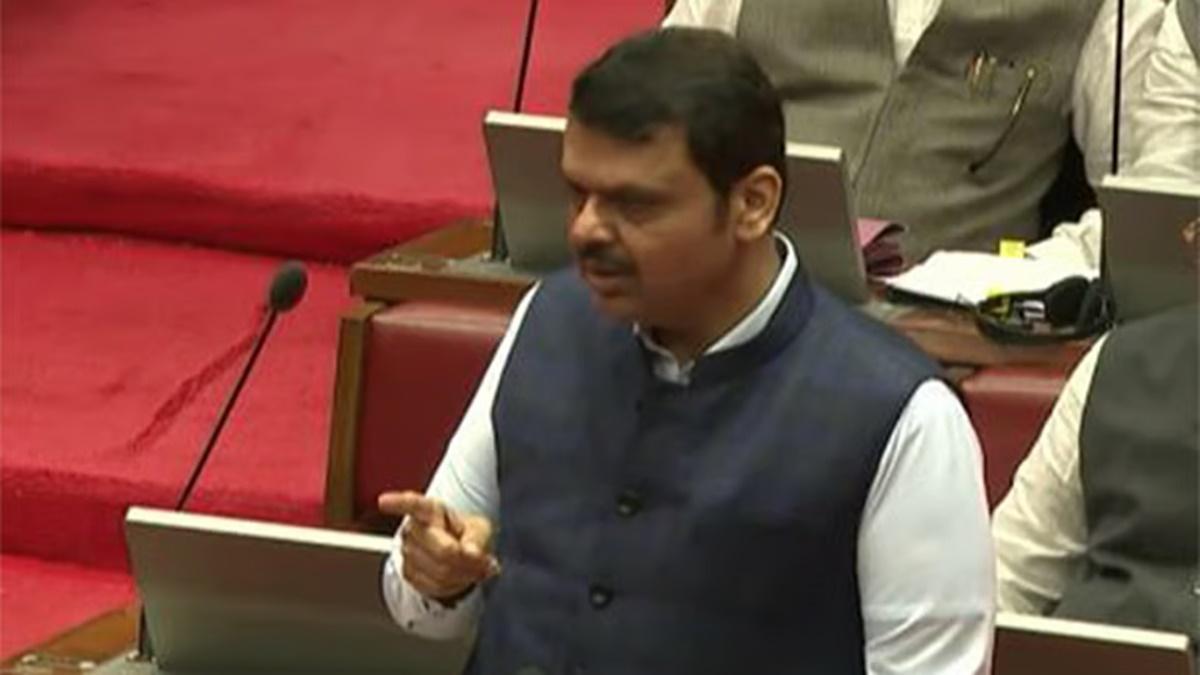
In a decisive move aimed at curbing Left-wing extremism and what it deems unlawful organisational activity, the Maharashtra legislature has passed the Maharashtra Special Public Security Bill, 2024, introducing some of the toughest provisions yet against extremist groups operating in the state.
The bill was cleared by the state assembly on Thursday and the legislative council on Friday. It will come into force once the Governor gives assent, marking a significant shift in the legal framework for addressing internal security threats in Maharashtra.
Key Features of the Bill
Under the proposed law, offences are classified as cognisable and non-bailable, meaning police can arrest suspects without a warrant, and courts are not obligated to grant bail.
The most serious offences—such as planning, committing, or aiding unlawful activities on behalf of banned organisations—are punishable by imprisonment of up to seven years and fines up to ₹5 lakh.
Even individuals not directly affiliated with banned organisations, but found contributing funds, offering shelter, or soliciting support for such groups, could face up to two years in jail and fines of up to ₹2 lakh.
The bill empowers the state to designate any organisation as “unlawful” if it is found to:
Disrupt public order
Incite violence
Encourage disobedience to the law
Interfere with communication infrastructure
Once declared unlawful, the government can seize property, freeze bank accounts, evict members, and block all financial channels connected to the organisation. Movable and immovable assets, including buildings and operational spaces, may be confiscated.
Checks and Oversight
Before any group is formally banned under the Act, the decision must be reviewed by an independent advisory board, as mandated in the bill. Only after this board’s approval can the organisation officially be declared unlawful.
However, the bill also restricts the scope of judicial intervention. Actions taken by the state under the Act cannot be legally challenged in court, except in cases related to the forfeiture of funds, which may be contested only before the High Court.