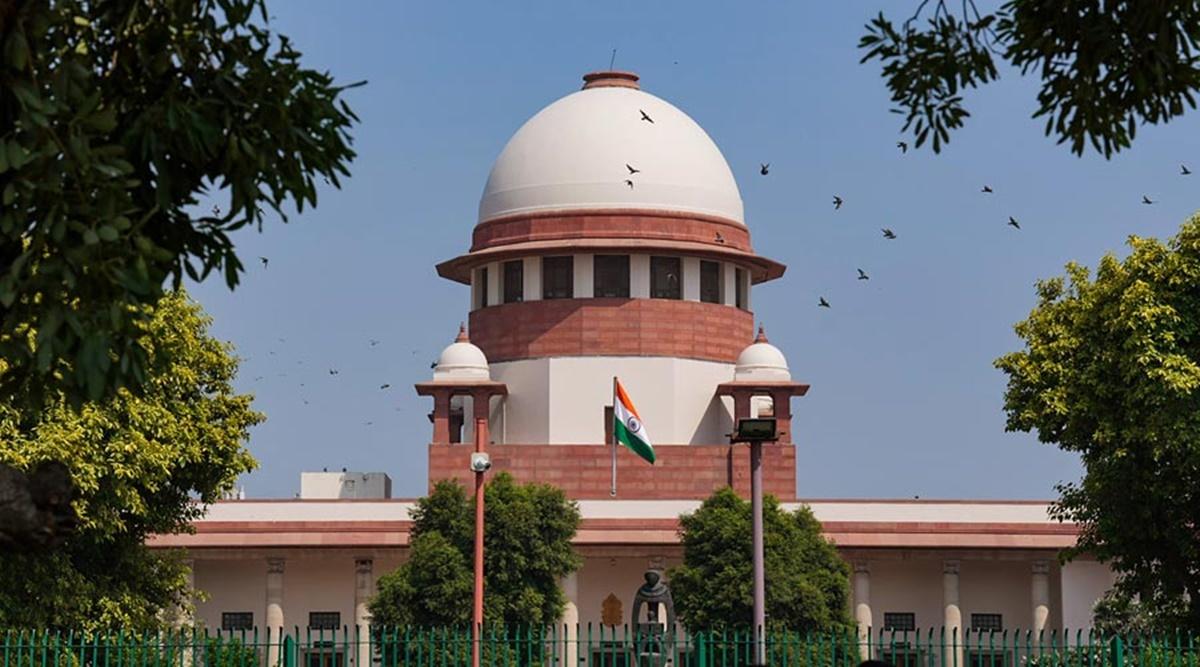
In a landmark verdict aimed at curbing delays in the legislative process, the Supreme Court of India has laid down a definitive timeline for governors and the President to act on bills passed by state assemblies. The court said inaction or undue delay in dealing with bills is subject to judicial scrutiny, thereby tightening constitutional accountability on key executive authorities.
Delivering a 415-page judgment on April 8, which was made public on Friday, the apex court set a three-month deadline for the President to make a decision on bills referred to them by governors. In a striking move, the court referred to constitutional practices in other democracies, including Pakistan and the United States, to emphasize the need for time-bound action.
Justice JB Pardiwala, who authored the judgment, noted, “For instance, Article 75 of the Constitution of Islamic Republic of Pakistan or Article I, Section 7 of the US Constitution, where if no decision is taken within the stipulated time limit by the President, then bills are deemed to have been assented to.”
Under Pakistan’s Article 75, the President is bound to act within 10 days — either by assenting to or returning a bill. If returned and re-passed by Parliament, the President must then give assent within another 10 days, failing which the bill automatically becomes law. The Supreme Court said such models offer institutional safeguards against executive inertia and enhance legislative efficiency.