.jpg)
The United States has moved into a critical phase of confrontation in the Gulf region, announcing a naval blockade of the strategically vital Strait of Hormuz, set to begin on April 13, 2026. The move, positioned by President Donald Trump as an effort to curb Iran’s nuclear ambitions and end what he described as “extortion,” signals a far broader geopolitical and economic strategy with global implications.
The decision follows the breakdown of prolonged diplomatic talks in Islamabad, where negotiations between Washington and Tehran collapsed after disagreements over Iran’s nuclear programme. With diplomacy failing to yield results, the United States has now shifted toward direct maritime pressure, raising fears of a wider conflict in one of the world’s most sensitive energy corridors.
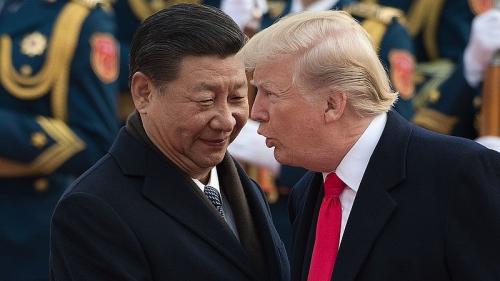
While the immediate standoff involves U.S. naval forces and Iran’s Islamic Revolutionary Guard Corps, the ripple effects are expected to hit far beyond the region. Analysts believe that China stands at the centre of the economic fallout. As Iran’s largest oil buyer, China relies heavily on discounted Iranian crude to sustain its industrial output. A disruption in these supplies could strain Beijing’s manufacturing ecosystem and energy security, particularly as a significant share of its imports passes through the Strait of Hormuz.
The blockade is also seen as an attempt to dismantle the informal networks and shipping operations that have allowed Iran to continue exporting oil despite international sanctions. By increasing risks for tanker operators and tightening surveillance in the region, Washington aims to disrupt the flow of crude that underpins Tehran’s economy and its external engagements.
Global energy markets are already reacting to the development, with concerns mounting over supply disruptions. Iran’s exports, estimated at around 2 million barrels per day, play a notable role in global supply, and any interruption could push prices higher. The situation is further complicated by broader instability in the Gulf, where a significant portion of the world’s oil production and transit routes are concentrated.
Across Asia, early signs of strain are emerging as industries prepare for potential shortages and rising costs. Governments and companies are reassessing supply chains and energy reserves in anticipation of prolonged disruption.
China, however, appears to have anticipated such a scenario. Over the years, it has built substantial strategic reserves and diversified supply routes through pipelines and alternative partners. Reports indicate that Beijing has also accumulated significant floating storage and curtailed exports of refined fuels to safeguard domestic consumption.
The unfolding situation represents a high-risk geopolitical gamble, testing how far major economies are willing to endure economic pressure. For Washington, the move carries domestic implications as well, with potential fuel price increases likely to impact voters. For Iran, the blockade threatens a key revenue lifeline, while for China, it raises urgent questions about long-term energy resilience.