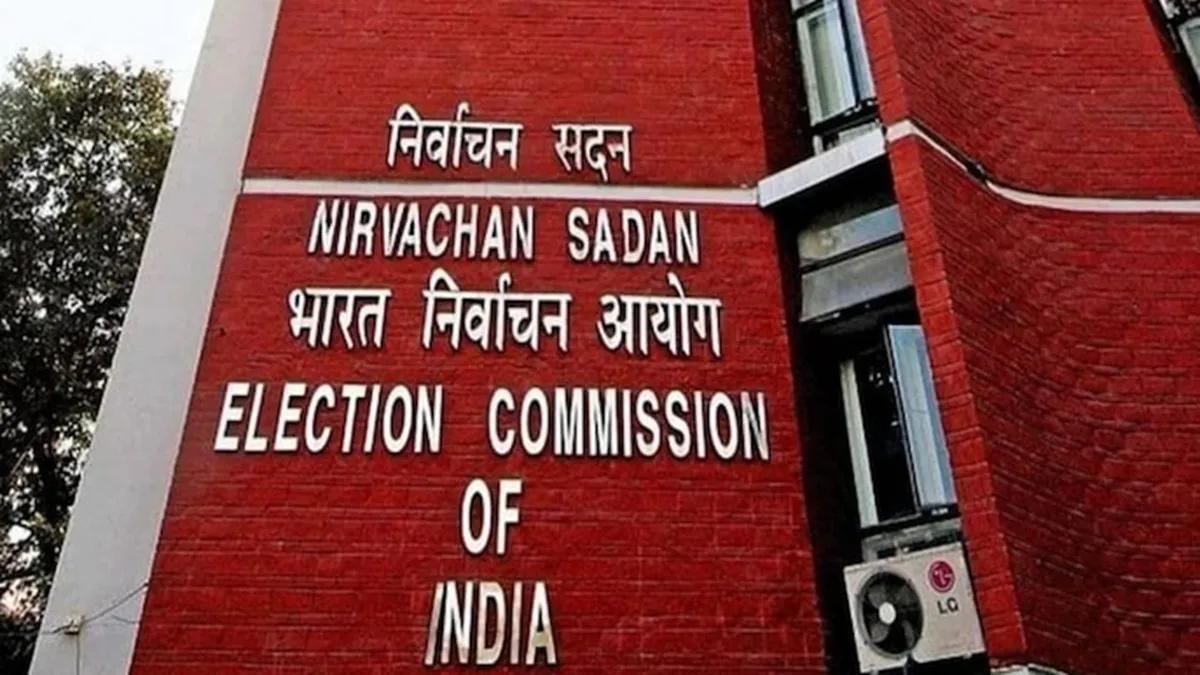
In a major initiative to enhance voter services and ensure transparency in electoral processes, the Election Commission of India (ECI) on Wednesday activated the National Voter Helpline (1950) along with 36 State and District-level helplines to address citizens’ election-related queries and grievances.
The Commission also launched a new digital service — ‘Book-a-Call with BLO’ — that allows voters to directly contact their Booth Level Officer (BLO) through the ECINET platform. The move is aimed at improving accessibility and communication between voters and election officials.
Encouraging citizens to make use of these facilities, the EC said, “Voters are encouraged to use the ‘Book-a-Call with BLO’ feature and the dedicated helpline number 1950 for all election-related information, feedback, suggestions, and complaints for prompt and transparent resolution of their concerns.”
According to the Commission, voters can also connect with election officials using the ECINet App. The ECI has instructed Chief Electoral Officers (CEOs), District Election Officers (DEOs), and Electoral Registration Officers (EROs) to ensure all user requests are monitored and resolved within 48 hours.
The poll body clarified that these new services are in addition to existing grievance redressal mechanisms, including the official complaint email — complaints@eci.gov.in
.Highlighting the role of the National Contact Centre (NCC), the ECI stated, “The NCC will serve as the central helpline for all States and Union Territories. It operates daily from 8:00 AM to 8:00 PM through toll-free number 1800-11-1950, where trained executives assist citizens and stakeholders with electoral services and queries.”
Additionally, the Commission has directed all States and Union Territories to establish State Contact Centres (SCCs) and District Contact Centres (DCCs) to provide localized, multilingual assistance during office hours on all working days throughout the year.
All complaints and queries received through these channels will be recorded and tracked using the National Grievance Service Portal (NGSP 2.0), ensuring accountability and swift redressal.