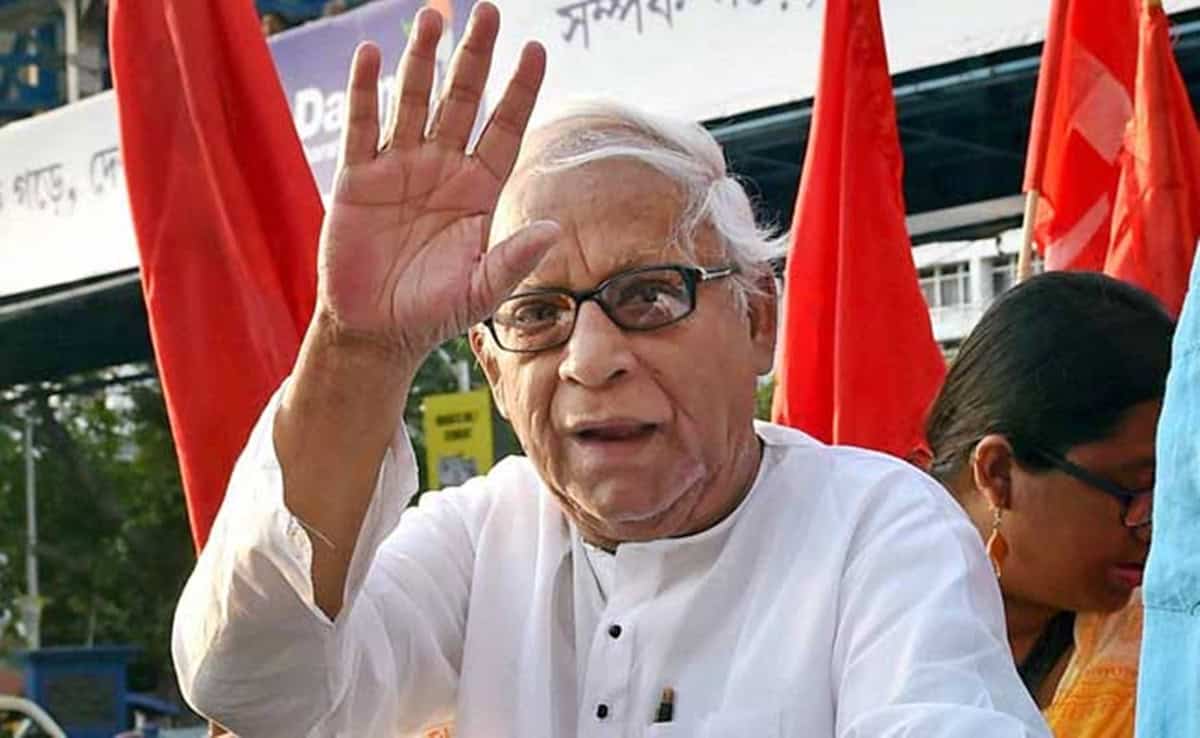
Buddhadeb Bhattacharjee, former Chief Minister of West Bengal, passed away at 8.20 AM on Thursday. He was 80 years old. Bhattacharjee, a stalwart of the Communist Party of India (Marxist) and a member of its Politburo, served as the 7th Chief Minister of West Bengal from 2000 to 2011. He was the last CM from the Left Front to hold office in the state.
A Political Journey
Buddhadeb Bhattacharjee's tenure as Chief Minister marked a significant era in West Bengal's political landscape. Under his leadership, the state witnessed various reforms and initiatives aimed at industrial growth and infrastructure development. Bhattacharjee succeeded Jyoti Basu, one of the longest-serving Chief Ministers in Indian history, and continued the Left Front's legacy in the state.
A Legacy of Reforms and Challenges
During his tenure, Bhattacharjee focused on improving the state's industrial base, attracting significant investments, and modernizing Kolkata. However, his term was also marked by challenges, including controversies over land acquisition in Nandigram and Singur, which eventually led to significant political upheaval and the rise of the Trinamool Congress in West Bengal.
The End of an Era
Bhattacharjee's demise marks the end of an era for the Communist Party of India (Marxist) in West Bengal. He was known for his intellectual approach to politics, his dedication to Marxist principles, and his efforts to modernize the state. His leadership style and contributions to the state's development will be remembered by many.
Condolences Pour In
Leaders across the political spectrum have expressed their condolences. Messages from party members, political allies, and opponents highlight Bhattacharjee's significant influence on West Bengal's political and social fabric.