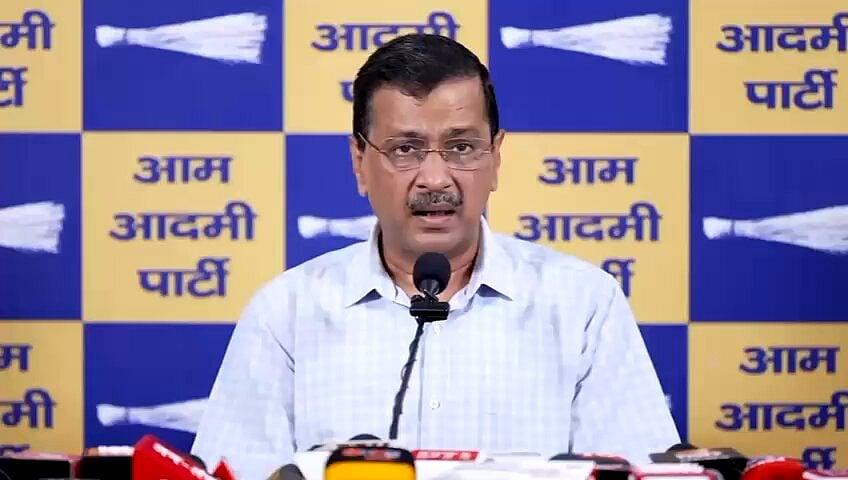
Aam Aadmi Party chief Arvind Kejriwal on Saturday intensified his attack on the BJP leadership following the swearing-in of Suvendu Adhikari as West Bengal’s first BJP Chief Minister, accusing the ruling party of adopting a selective approach towards corruption allegations.
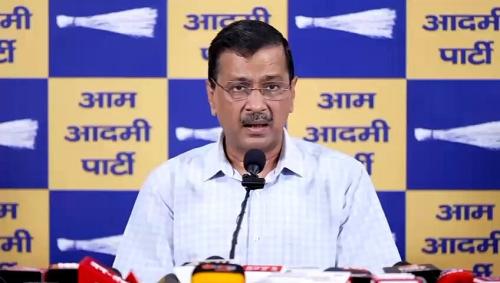
In a video statement released shortly after the oath ceremony in Kolkata, Kejriwal questioned how leaders once accused of corruption by the BJP later become acceptable after joining the party.
The former Delhi Chief Minister referred to earlier political speeches made by Prime Minister Narendra Modi and Union Home Minister Amit Shah during Suvendu Adhikari’s tenure in the Trinamool Congress.
“Years ago, BJP leaders publicly accused Suvendu Adhikari of corruption. Today, the same leadership is celebrating his rise as Chief Minister,” Kejriwal said, alleging inconsistency in the BJP’s anti-corruption stand.
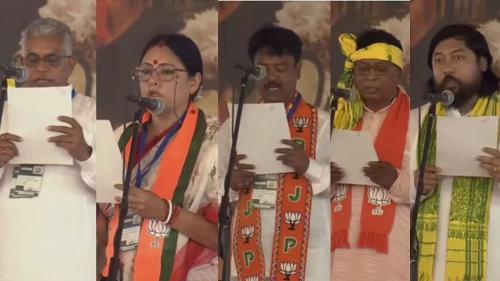
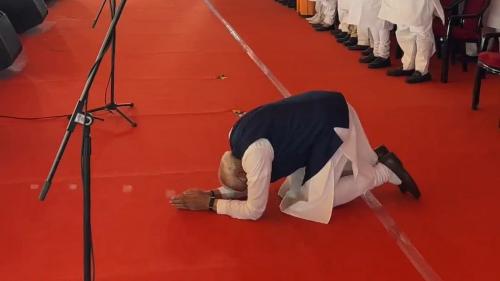
Suvendu Adhikari took oath at Brigade Parade Ground after the BJP secured a landmark victory in the 2026 West Bengal Assembly elections, ending the Trinamool Congress government’s long rule in the state.
Kejriwal also targeted the Enforcement Directorate, alleging that central agencies were being used mainly against opposition parties while leaders aligned with the BJP escape scrutiny.
According to the AAP leader, investigations and raids intensify against politicians who oppose the BJP, but cases lose momentum once those leaders switch political sides.
“The agencies act differently depending on political affiliation,” Kejriwal claimed while referring to recent enforcement actions involving AAP leaders and Punjab minister Sanjeev Arora.
He also cited examples from other states, including Maharashtra, to argue that corruption allegations against certain politicians appeared to fade after they entered alliances with the BJP.
The remarks are expected to escalate the ongoing political confrontation between the AAP and the BJP, especially at a time when opposition parties have repeatedly accused the Centre of misusing investigative agencies for political purposes.
.jpg)