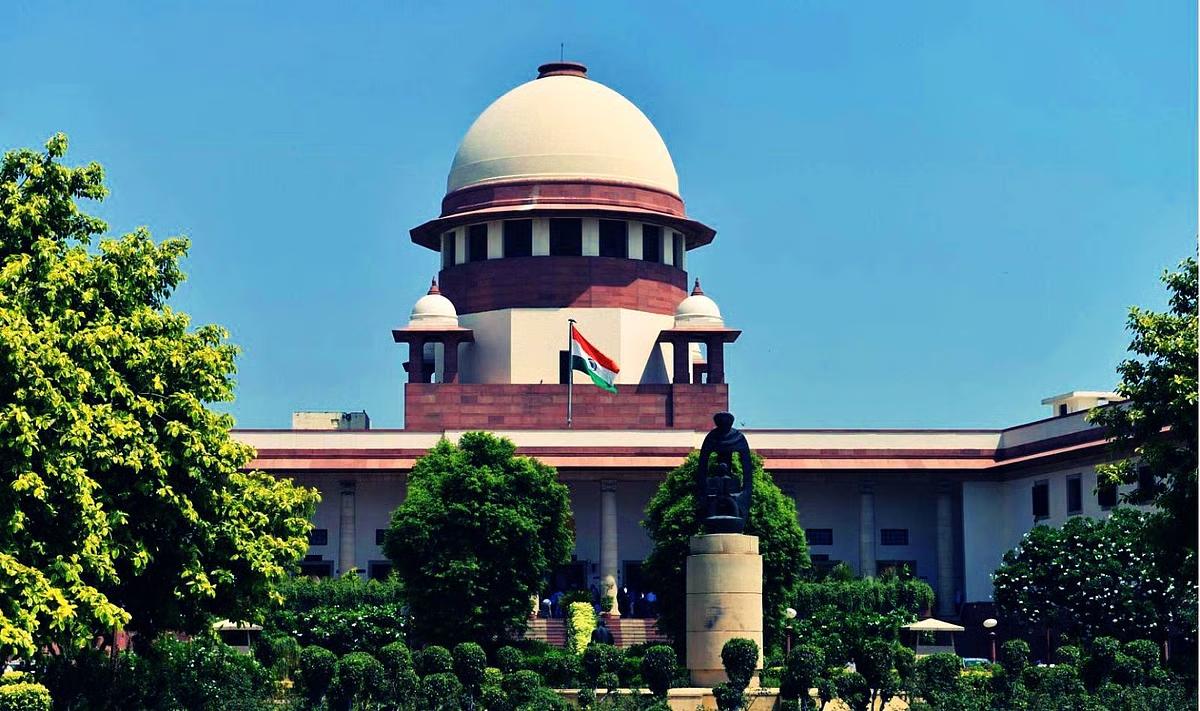
The Supreme Court on Tuesday engaged in a high-stakes hearing on the Presidential Reference concerning Governors’ powers to grant or withhold assent to Bills, questioning whether prolonged inaction can be justified under the Constitution.
A Constitution Bench led by Chief Justice of India BR Gavai, along with Justices Surya Kant, Vikram Nath, PS Narasimha, and AS Chandurkar, heard arguments from Attorney General R Venkataramani, Solicitor General Tushar Mehta, and senior advocates. The proceedings stemmed from the Tamil Nadu Governor case, where a two-judge bench had controversially declared deemed assent to Bills pending since 2020.
Court’s Key Concerns
The bench asked what remedies are available when Governors keep Bills pending for years without action. Justice Surya Kant asked the Attorney General whether it was true that some Tamil Nadu Bills had been left untouched since 2020, and pressed: “If declaring deemed assent was wrong, then what is the constitutionally permissible alternative?”
Attorney General’s Stand
Venkataramani argued that even in egregious cases, the judiciary cannot assume the Governor’s role. “The Court cannot declare assent; it must send the matter back to the Governor,” he said, warning that the Tamil Nadu ruling created a precedent that risks altering constitutional balance.
Debate on Article 143 Advisory Powers
Senior Advocates P Wilson and Abhishek Manu Singhvi opposed the very maintainability of the reference, warning that Article 143 cannot become a substitute for review or curative petitions. They said this process could be used to indirectly appeal against judgments, undermining institutional integrity.
Senior Advocate KK Venugopal noted earlier rulings on Article 200’s “as soon as possible” requirement, but acknowledged those were delivered by smaller benches.
CJI Gavai stressed that since the President herself had sought clarity, the issue needed a five-judge hearing under Article 145(3).
Solicitor General’s Argument
Tushar Mehta described the matter as sui generis, pointing out that the Constituent Assembly had deliberately removed timelines for Governors. He invoked Dr. B.R. Ambedkar’s reasoning that the phrase “as soon as possible” should suffice. Mehta suggested the Court could clarify that the Tamil Nadu judgment was not binding precedent, using advisory powers without overruling it.
Judicial Limits Under Article 142
The bench debated whether Article 142 empowers courts to declare deemed assent. Justice Narasimha noted that the Tamil Nadu judgment appeared to address an “extraordinary” failure by the Governor. But Venkataramani countered that Article 142 cannot be used to create an entirely new constitutional scheme.
Core Questions Before Court
The Presidential Reference has raised fundamental issues:
-
Can Article 361 shield Governors from judicial review under Article 200?
-
Can Article 142 be used to bypass constitutional provisions?
-
What is the solution when Governors indefinitely delay assent?