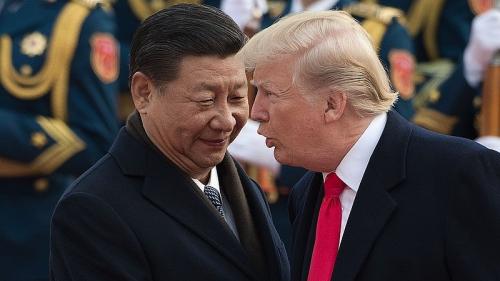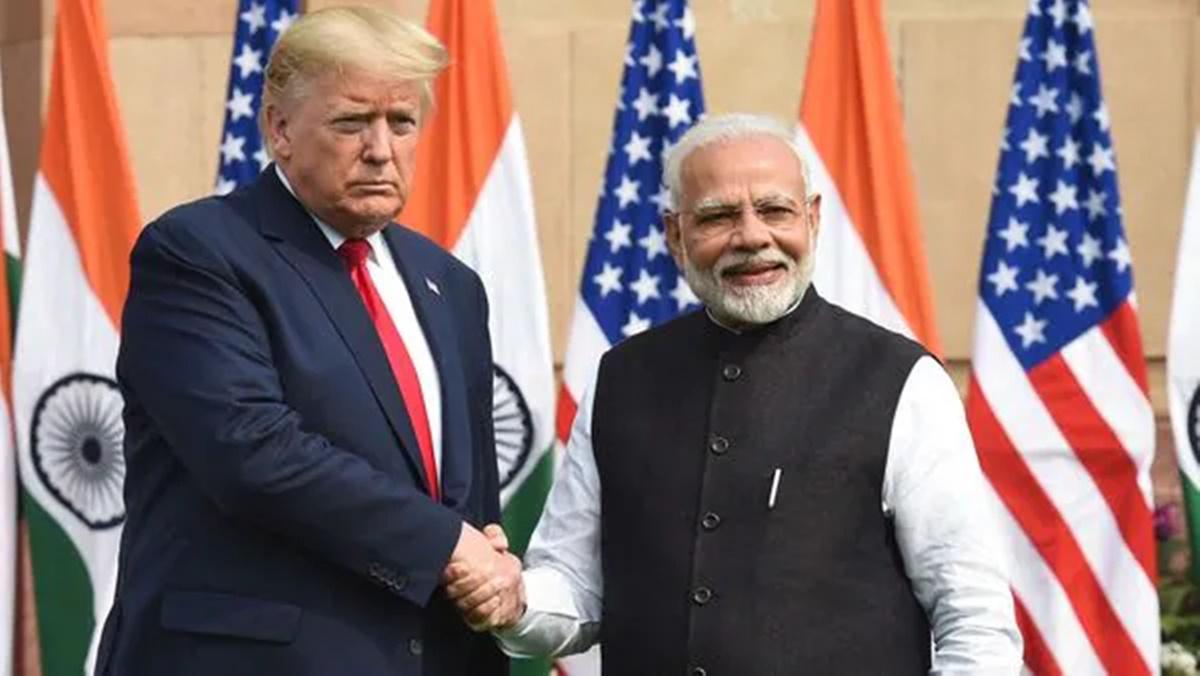
In a sharp escalation of economic friction between the United States and India, U.S. President Donald Trump has announced a new round of steep tariffs targeting Indian imports. The move includes a 25% base tariff on a wide range of goods, with the possibility of an additional penalty that could push the effective rate up to 35% or more. The announcement, made on July 30, has triggered concern across economic and diplomatic circles in India, as it comes at a critical time when global markets are already grappling with inflationary pressures and geopolitical uncertainty. The new tariffs will come into effect from August 7 and apply to key Indian export sectors such as textiles, chemicals, auto components, machinery, and polished diamonds.
While addressing a press conference in Washington, President Trump justified the decision by accusing India of maintaining unfair trade practices and criticized its continued strategic dealings with Russia, particularly in defense and energy. He stated that these tariffs are not only a response to trade imbalances but also a reflection of India's reluctance to align with Western interests on the global stage. According to him, the tariffs will “correct long-standing trade distortions and encourage domestic manufacturing.”
Indian policymakers, however, view the move as a politically motivated tactic in an election year for the United States. New Delhi has expressed strong disappointment, calling the decision unilateral and damaging to the spirit of strategic partnership. While official diplomatic dialogue is ongoing, there is no clarity yet on whether India will impose retaliatory measures.
Experts in trade and economics are warning that the impact of these tariffs could be significant, particularly for labor-intensive sectors. The textile industry, which sends over 50% of its exports to the U.S., is expected to be hit hardest. Indian garments will now be at a pricing disadvantage compared to those from Bangladesh and Vietnam, which enjoy lower tariffs under preferential trade agreements. Similarly, India’s polished diamond exports—36% of which are headed to the U.S.—face the risk of rerouting through third-party hubs like Dubai and Belgium, which could lower profit margins and disrupt existing supply chains.
The auto components sector, where nearly 27% of exports are U.S.-bound, also stands vulnerable. Though India has been working to diversify its trade portfolio, sudden tariff hikes could affect close to 8% of the industry’s total output in the short term. In the chemicals sector, India’s competitive advantage is being eroded as the differential between Indian and Chinese imports narrows, potentially leading to a loss in global market share. Electronics and machinery, two sectors that were previously taxed at relatively low levels, will now face the full brunt of the 25% rate, complicating India’s ambitions to become a global electronics hub.
Despite the steep tariffs, pharmaceutical exports have been spared for now, but analysts at SBI Research warn that if the penalties are extended to generics, Indian pharma firms could suffer earnings declines of up to 8%. This would have global implications, especially for low-cost medicines heavily relied upon in the American healthcare system.
On the macroeconomic front, both ICRA and SBI Research have downgraded India’s growth forecast for FY26. ICRA has trimmed its GDP projection from 6.2% to 6.0%, citing export-related stress. SBI anticipates a potential 30 basis point drag on GDP growth if the situation remains unresolved for an extended period. Consumer inflation in the U.S. is also expected to tick up by as much as 2.4% due to increased import costs, suggesting that American consumers may ultimately bear some of the consequences of these tariffs.
Amid the rising trade tensions, India’s strategic positioning is being put to the test. The country’s continued import of discounted Russian oil and defense technology is increasingly under scrutiny by Western powers. However, Indian officials argue that such decisions are based on energy security and sovereign interest, not geopolitical alliances. Balancing this stance while engaging diplomatically with Washington will be crucial in the coming months.
India is now looking toward fast-tracking trade deals with the United Kingdom and the European Union as part of a broader diversification strategy. However, building alternative markets and rerouting supply chains will take time, and the short-term challenges are likely to persist.