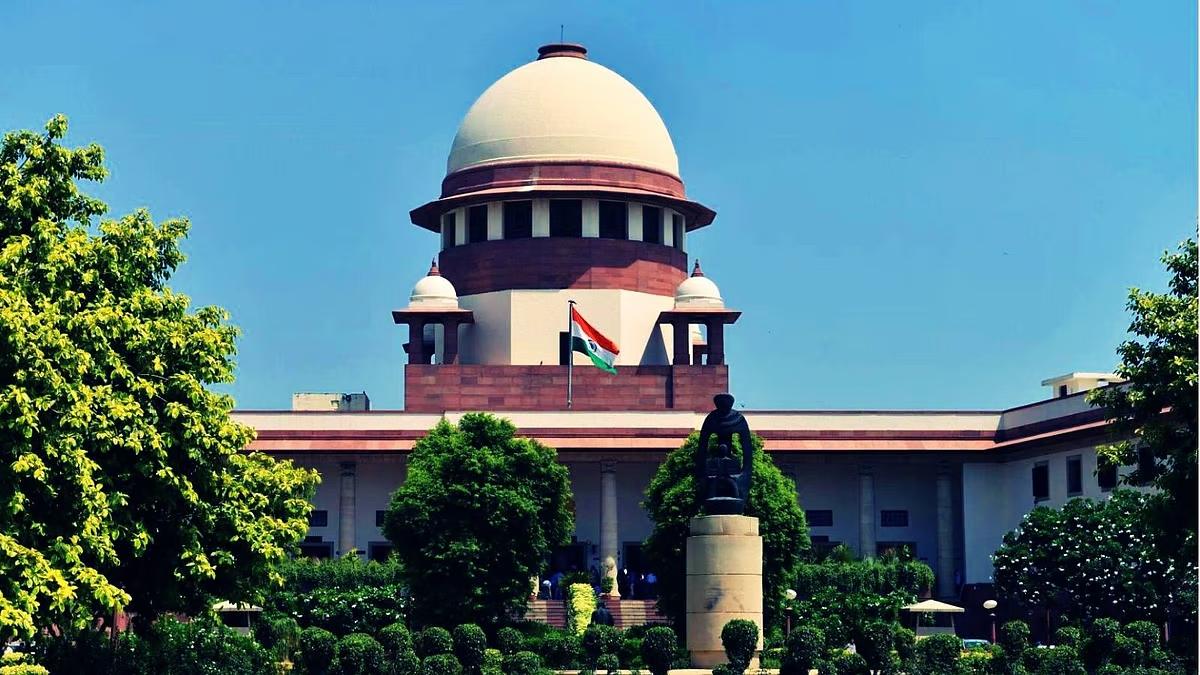
The Supreme Court on Tuesday issued a notice to the Centre and other stakeholders on a petition challenging the constitutional validity of certain provisions of the Waqf Act, 1995. The plea, filed by petitioner Nikhil Upadhyay and argued by advocate Ashwini Upadhyay, alleges that the Act provides undue favour to waqf properties and deprives non-Muslims of their property rights. The petition has also questioned the amendments made to the Act in 2013 and tagged it with other pending pleas raising similar constitutional issues.
A bench comprising Chief Justice B R Gavai and Justice Augustine George Masih took note of the petition and agreed to examine it. Referring to a previous Supreme Court order from April 17 concerning challenges to the Waqf (Amendment) Act, 2025, the petitioner urged that the present plea also be listed for hearing alongside similar matters. The court accepted the submission and decided to club the matter accordingly.
During the hearing, Chief Justice Gavai questioned the delay in challenging the 1995 Act, asking, “Why should a challenge to the 1995 Act be allowed in 2025?” The petitioner’s counsel responded that the challenge pertains mainly to the 2013 amendments, not just the original enactment. He also referred to the ongoing constitutional scrutiny of other religious legislations such as the Places of Worship (Special Provisions) Act, 1991 and the National Commission for Minorities Act, 1992.
The petition argues that Parliament cannot pass laws that favour waqf properties to the extent of infringing on the rights of non-Muslims. It also questions the provision that allows the collector to declare a waqf property as government land after an inquiry, effectively removing its waqf status. Other concerns raised include the composition of State Waqf Boards and the Central Waqf Council, where the petitioners argue that membership should not be exclusively reserved for Muslims, aside from ex-officio members.
Earlier, on May 22, the Supreme Court had reserved interim orders on three key issues linked to the 2025 amendments, including de-notification of waqf properties, the board's composition, and the collector's inquiry powers.