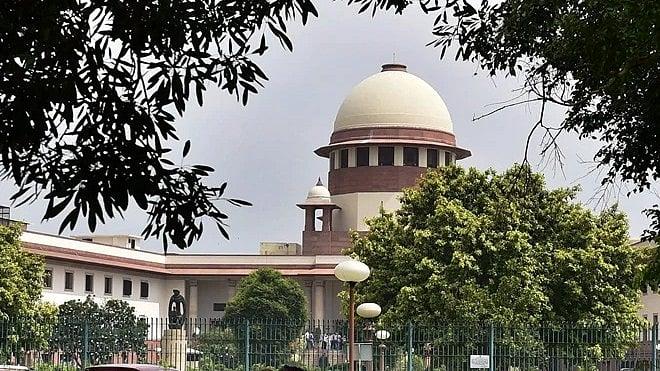
In a major development, a Supreme Court-appointed advisory panel has urged the Centre to withdraw the Transgender Persons (Protection of Rights) Amendment Bill, 2026, warning that it could seriously undermine key constitutional rights.
The committee, led by former Delhi High Court judge Asha Menon, said the proposed amendments have come as a “shock” and risk reversing years of progress made for transgender persons in India.
The panel has raised serious concerns that the Bill goes against the landmark NALSA v Union of India ruling, which recognised the fundamental right of individuals to self-identify their gender.
According to the committee, the new Bill proposes significant changes, including removing recognition of self-perceived gender identity, redefining who qualifies as a “transgender person,” and making it mandatory for individuals to obtain certification through a medical board.
These provisions, the panel argues, directly contradict the spirit of the Supreme Court judgment and could create barriers for transgender individuals seeking recognition and dignity.
The Bill was passed in the Lok Sabha on March 24 through a voice vote amid protests and an Opposition walkout. It is now set to be taken up in the Rajya Sabha, where further debate is expected.
The advisory committee, which was constituted by the Supreme Court in 2025, had already passed a resolution on March 20 calling for the Bill’s withdrawal. It has also demanded wider consultations with stakeholders, including transgender communities and rights groups, before any changes are made to the law.
Another major concern highlighted by the panel is related to privacy. The proposed amendments include provisions requiring medical institutions to report gender-affirming procedures to authorities, which the committee warned could violate individual privacy and dignity.
The panel also pointed out that some of the criminal provisions in the Bill may overlap with existing laws such as the Bharatiya Nagarik Suraksha Sanhita and the Juvenile Justice Act, 2015, raising questions about legal redundancy.
The Bill has already triggered widespread criticism from activists, transgender groups, and civil society organisations, who say it dilutes hard-won rights and could push the community further into marginalisation.
.jpg)